
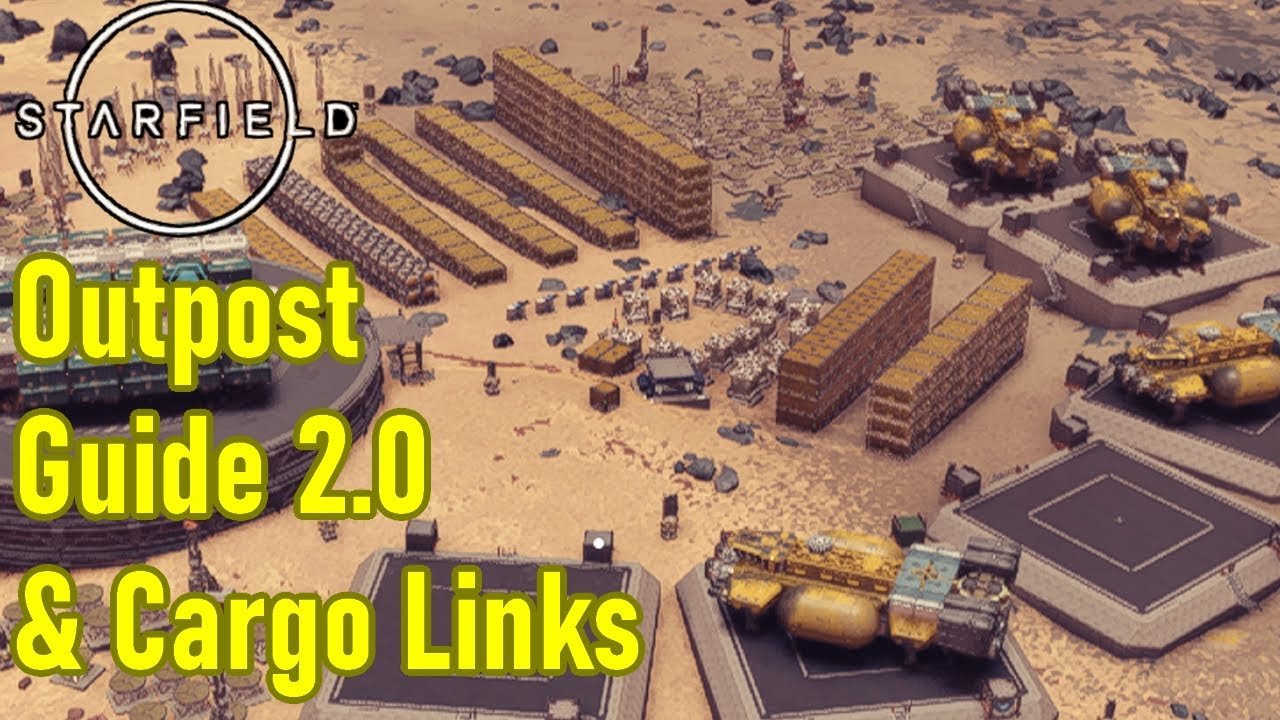
Advanced Starfield base building involves strategically using outpost modules for maximum resource extraction and interconnected storage, plus clever placement for defensive positions.
Venturing into the vastness of Starfield, you quickly realize the importance of well-crafted outposts. Your initial structures might feel basic, but there’s so much more potential available. Getting past the basics and delving into Starfield advanced base building tips opens up a whole new realm of possibilities.
This is where understanding module adjacency, resource linking and clever terrain usage becomes crucial. By using these advanced techniques, you can create efficient and powerful bases. These will not only aid in your resource gathering, but will also provide a solid defensive position.

Starfield Advanced Base Building Tips
Okay, space explorers! You’ve probably already built a basic outpost or two in Starfield. Maybe you’ve got a simple habitat, a landing pad, and a few resource extractors chugging away. That’s great for starters, but now it’s time to take things up a notch. We’re not just talking about slapping down a few modules; we’re diving into the nitty-gritty of advanced base building. This guide will help you go from a basic camp to a sprawling, efficient, and maybe even cool-looking space station on any planet you want.
Planning Your Outpost: Thinking Big
Before you drop your first module, take a breath and think about your overall goals. What do you want your outpost to do? Is it a mining hub? A research center? A comfortable place to call home? The answer to these questions will guide the whole building process.
Choosing the Right Location
The first crucial decision is where to plant your flag. Look for these things:
Resource Richness: Do you need a lot of iron? Aluminum? Helium-3? Planets with lots of the resources you want will make your life easier. Check planet surveys carefully before choosing a location. Make sure you are in an area where you have plenty of room to expand.
Biome Variety: Some planets have multiple biomes. If you want to grow plants or have different types of resource extractors, a location that gives access to multiple biomes can be a great advantage.
Terrain: A flat, open area is easiest to build on, but don’t be afraid to build into a landscape. Building on top of a mountain or in a valley can provide some exciting and unique outpost options.
Aesthetics: Don’t overlook how the planet looks! A beautiful backdrop can really add to your enjoyment. Who wants to stare at a dull grey rock all the time?
Hazards: Some planets have extreme weather. Make sure you can survive the environment. Building around a hot spring to power things might seem cool but dealing with radiation all the time? maybe not so much.
Understanding Resource Needs
Before you start putting down buildings, let’s make sure you are thinking about what resources you really need. A basic outpost needs power, structural materials, and a way to transport goods. But, an advanced base might need much more. Consider these key factors:
Power: Extractors and some modules need a lot of power. Plan for plenty of solar panels, wind turbines, or generators, depending on the planet’s conditions. Consider using helium-3 generators for reliable power, especially for very large outposts.
Raw Materials: You’ll need materials like iron, aluminum, nickel, and copper for construction. Make sure you have the ability to extract or bring these to your base, so you do not have to run back and forth all the time.
Special Resources: Research labs, industrial workbenches, and cargo links need special resources like adhesives, polymers, and specific gases. Think about making these so you don’t have to find them while you are out exploring.
Logistics: The bigger your outpost, the more you’ll need to move resources around. Plan for multiple cargo links and storage containers.
Building Efficiently: Making Your Outpost Work
Efficiency is key to making an awesome outpost, that also helps you with your game. A well-planned outpost will reduce wasted time and resources. So, let’s dig into some of the best practices.
Mastering the Building Interface
The building interface can be a little tricky at first, but after you take some time to get used to it you will find out some tips to make things better for you. Here’s how to make the most of it:
Grid System: The game uses a grid system for building. Be aware of it, and use it to your advantage to make sure your buildings are aligned.
Module Snapping: Modules will often snap together automatically. Use this to your advantage. It helps to keep things neat, and makes building much faster. You don’t have to keep re-arranging everything.
Previewing Modules: Always preview modules before placing them. This will save you time and resources on things that you might not want, especially if you are low on them. It’s frustrating to build a resource extractor in the wrong spot.
Rotation: Learn how to rotate modules. The way that you rotate modules can sometimes be the key to making things fit in tight spaces.
Copy and Paste: While the game does not have a copy paste function, you can delete something and put it back very quickly. Use this to your advantage to save your time, and make sure everything is uniform.
Optimizing Resource Extraction
Getting resources is one of the main purposes of having an outpost. Here’s how to do it really well:
Layered Extraction: Try to place extractors on veins of different resources. You can often find locations where several different resources are very close.
Storage Solutions: Use storage containers to hold your extracted resources. Try to put them next to the extractors. The extractors will fill up quickly without storage.
Cargo Links: Cargo links allow you to move resources to other outposts. This is how you bring everything together. Start making a logistics network early.
Extractor Placement: Put extractors on top of the resource node so it will get the most out of it. Sometimes just moving the extractor a bit will make all the difference. Also, try to keep all the extractors near each other to make it easier to hook up to power and storage.
Boost Production: Certain skills and perks in the skill tree will let you get more resources from each extractor. This is a must to make a good outpost.
Monitor Extractor Output: Regularly check your extractors to make sure they are working. You might need to change them sometimes, or add more power.
Power Management
Power is the lifeblood of any outpost. Here’s how to manage it wisely:
Prioritize Power: Plan for power demand. Extractors need more power than storage containers. Make sure you have enough power to run everything and still have some backup.
Multiple Sources: Use a mix of power sources, so you always have power. Relying on just solar means your outpost will be off at night.
Battery Backups: Build batteries to store extra power. This is important for those times when the sun is not shining, or the wind is not blowing.
Generator Efficiency: Helium-3 generators are the most reliable if you have the resource. Try to set up outposts on the planets where you can find Helium-3.
Power Connectors: Keep all of your power connectors neat. Run cables along walls and floors for the best look, but also make sure things are connected.
Building for Comfort and Aesthetics
Your outpost should be a place you enjoy, not just a resource farm. Make sure you are making things that are functional, but also look great.
Habitats: Set up habitats for your crew members to relax.
Decoration: Use furniture, lights, and decorations to give your base character.
Viewpoints: Build your habitats with amazing views of the landscape.
Unique Layouts: Don’t be afraid to think outside the box. Try using the natural features of the land to your advantage.
Personal Touches: Add things that make your base feel like yours.
Consider Your Crew: If you plan on having crew members, make sure they are comfortable and have what they need.
Advanced Techniques: Taking It to the Next Level
Once you’ve mastered the basics, it’s time to dig into some advanced techniques. These will help you push your outpost to its full potential.
Complex Logistics Networks
Connecting multiple outposts into one big system is how you get the most out of your game. Here’s how to do it:
Hub Outposts: Designate one of your outposts to be the main hub. All other outposts will link back to this one.
Cargo Link Networks: Set up cargo links between multiple outposts.
Resource Distribution: Use cargo links to distribute specific resources where they are needed. Your iron mines should send all of their iron to the places that use iron.
Interplanetary Trading: Move resources between planets.
Automated Transfer: Set up the links to move resources on their own, so you don’t have to.
Creating Specialized Outposts
Each outpost can be designed for a specific job. Here are some ideas:
Mining Hubs: Outposts that focus on extracting large amounts of ore.
Manufacturing Centers: Outposts that focus on turning raw materials into more refined materials.
Research Labs: Outposts dedicated to research and making new equipment.
Farming Outposts: Outposts that grow plants for food and research.
Trading Centers: Outposts that buy and sell resources, and where crew can go to rest and have fun.
Fueling Stations: Outposts that produce the helium-3 that ships need for their jumps.
Using Crew Effectively
Assign crew members to specific roles at your outpost.
Skill Assignments: Place crew members at workbenches where their skills will make a difference.
Crew Morale: Keep your crew happy by giving them beds, good food, and other stuff that they need to survive.
Security: Make sure your base is safe with turrets and crew that can protect it from enemy attacks.
Work Assignments: Try to assign crew members in ways that benefit the outpost’s main function.
Exploiting Glitches (With Caution)
Sometimes, glitches can be useful when building. But, remember that these may not be working in the future. It is also not recommended to do this on an important save file.
Floating Modules: Sometimes, modules can float in the air. Use this to make some very unique builds, such as a base on top of a mountain with floating pathways.
Overlapping Modules: Sometimes, you can place modules inside of each other, or in ways that the developers did not intend. This can help you get creative.
Boundary Breaking: Some people have found ways to build outside of the normal building area.
Be Careful: Be careful when you are doing these things. You can sometimes make the game unstable when using glitches.
Troubleshooting Common Problems
Sometimes things go wrong. Here are some things to look for.
Power Shortages: If your base stops working, check the power. You may need more power generators or more batteries.
Resource Flow Problems: If the resources stop moving, check the cargo links. Make sure the links are set up to take materials and move them to the right places.
Building Bugs: If you can’t place a module, try moving around. Sometimes the game doesn’t see the spot you want to build in, so you have to move around.
System Limits: The game has limits on how much you can build. If you hit these limits, try to spread your buildings across several different outposts.
Crew Problems: Make sure your crew members have what they need. They sometimes will complain about different things that could be easy to solve.
Tips and Tricks
Here are some extra things you might want to know:
Start Small: Start with small outposts, then expand. Don’t build everything all at once.
Experiment: Don’t be afraid to try new things. That’s how you find cool ideas, and new things to do.
Use the Community: Look online for ideas. People are always sharing new and amazing builds.
Save Often: You should always save often! That way you can try out new things without losing all your progress.
Take Pictures: Make sure you take pictures of all the cool things you make. Show your friends!
With these advanced tips, you’re well on your way to making an amazing outpost in Starfield. So, go forth, explore the galaxy, and build something great!
Building outposts in Starfield is a mix of planning, hard work, and some creativity. Remember to start with a good plan, be efficient, and make it something you can enjoy. You can make some amazing bases when you really take the time to make things awesome. Have fun!
15 Tips for Outpost Building in Starfield that you NEED to Know – Ultimate Outpost Building Guide
Final Thoughts
To recap, focus on resource placement for optimal efficiency. Utilize layered structures to maximize space vertically and horizontally. Experiment with different module combinations to create specialized outposts. These Starfield advanced base building tips will help you craft truly impressive and functional settlements. Careful planning and creative designs are crucial.
Make sure you always place landing pads in a location you can easily access. Prioritize your most needed resources first. Don’t be afraid to tear down and try different designs.

