
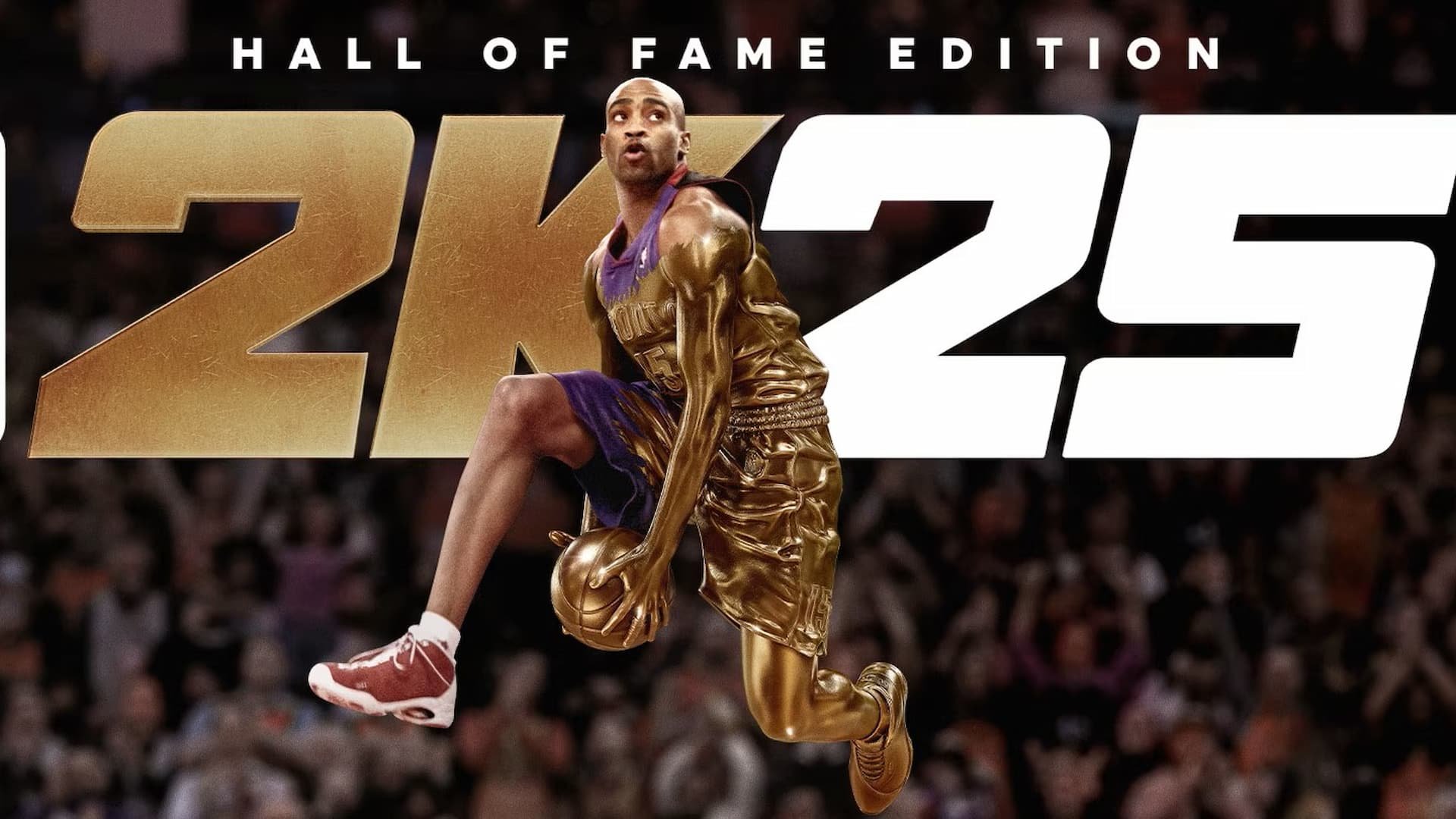
The NBA 2K25 trade strategy system focuses on evaluating player value using stats, potential, and contract details, allowing you to build a competitive roster via smart trades.
Navigating the intricacies of player movement in NBA 2K games has always been a challenge. It’s more than just wanting your favorite players; it’s about understanding the underlying mechanics. The NBA 2K25 trade strategy system requires a more calculated approach than ever before.
You’ll need to analyze player performance data and financial implications closely. This involves not just looking at raw points, but also considering a player’s age, potential, and salary cap hit. A good strategy can greatly impact your team’s overall success in the long run.

NBA 2K25 Trade Strategy System
Let’s talk about making trades in NBA 2K25. It’s more than just grabbing the best players. It’s about knowing how the system works, who the teams want, and what pieces you have to give away to get your dream team. This year, the trade system in NBA 2K25 feels deeper and more realistic than ever before. We’re breaking down everything you need to know to become a trade master. Whether you’re new to the game or a seasoned vet, this guide will help you navigate the sometimes-tricky world of NBA trades.
Understanding the Trade Logic
Before diving into specifics, it’s important to understand the core logic behind trades in NBA 2K25. The game doesn’t just let you make any trade you want. It considers a lot of factors to make things as true-to-life as possible. Here’s what goes on behind the scenes:
Player Value
Each player in NBA 2K25 has a specific value, influenced by these factors:
- Overall Rating (OVR): This is the most obvious factor. Higher OVR players are usually more valuable.
- Potential: Younger players with high potential are very attractive to teams. They could become stars in the future.
- Contract: A player’s contract length and salary greatly affect their trade value. Teams might hesitate to take on a player with a huge, long contract. They also like players on cheap, expiring deals if they are in a rebuild.
- Player Archetype/Role: Is a player a shooter, a defender, a playmaker, or a rebounder? Teams consider how well a player fits their system. Teams with dominant post players are not looking to add another dominant post player.
- Team Needs: If a team is lacking a good point guard, a quality point guard will be more valuable to them than if they already had one.
- Current Performance: A player on a hot streak may have a higher value compared to when they are in a slump.
The game also considers the morale and chemistry between players, although this is harder to quantify. A player who is unhappy with his current role might not be highly valued.
Team Needs and Goals
AI-controlled teams in NBA 2K25 have their own goals and plans. Some teams are rebuilding, some are trying to make a championship run, and some are trying to stay competitive. These different goals affect the trades they are willing to make.
- Rebuilding Teams: These teams often want young players with high potential and draft picks. They may trade away experienced players for future assets. They are not looking to add players with a big salary that are in their 30’s.
- Contending Teams: These teams are looking for experienced players who can help them win now. They are often willing to give up draft picks for ready-to-play talent. They want experienced veterans who can help them right away, and if they are young, that’s even better.
- Teams in the Middle: These teams are looking for players that fit their system and will help them become a playoff team. They usually need some talent, but they aren’t ready to be an elite team yet.
Trade Value Matching
NBA 2K25 tries to make sure that trades are balanced. This doesn’t mean that you always have to trade one-for-one. You can trade several lower-value players for one high-value player, or vice versa, as long as the game considers the overall trade value to be reasonably even.
Key Trading Strategies
Now that you understand the logic, let’s discuss some effective trade strategies you can use in NBA 2K25. These strategies will help you get the players you want while giving up less valuable assets.
Trading for Potential
If you are playing a franchise mode, it’s important to trade for high-potential players. These are usually younger players who have not yet reached their full potential. Look for players who have good ratings in key skills but are still rated in the mid-70s, and have room to grow. You can build a team around them for the future. This is ideal if you are starting a franchise with a team that is not very good. You also need to be patient, as these players will take time to get good.
- Identify High Potential Players: Scout young players with good physical attributes and skills.
- Target Teams That Are Rebuilding: These teams are more likely to trade young talent for future assets or experienced players.
- Be Patient: These players will need time to develop, so don’t expect immediate results.
Trading for Role Players
Sometimes, you don’t need a superstar. You just need a good role player who can fill specific needs on your team. These players are often undervalued by AI teams, so you can get them for cheap. For instance, a good shooter can help spread the floor, while a strong defender can help your team improve on the defensive end. Here’s how to approach this strategy:
- Identify Your Team’s Needs: Do you need a shooter? A defender? A rebounder? Figure out what’s missing.
- Target Undervalued Players: Look for players who are good in specific areas but might not have high overall ratings.
- Offer Fair Trades: Don’t try to lowball teams. Offer fair trades that include players who fit their needs.
Trading Expiring Contracts
Players on expiring contracts can be a good way to increase your team value without needing to get rid of players with long term deals. These players are attractive to teams as they don’t have to commit to them for a long time. This can help you get some extra assets without committing for a long time.
- Identify Players with Expiring Contracts: Look for players whose contracts are ending soon.
- Trade for Future Assets: These players can be traded for draft picks or young players.
- Use This Strategy Wisely: Don’t trade away too many players who are on expiring contracts if your goal is to build a winning team for the future.
Combining Players in Trades
Sometimes, trading one good player for another good player isn’t the best strategy. Combining several lower value players can allow you to target one high-value player. It might be difficult to get the stars you want without using this strategy. Here’s how this method works:
- Combine Contract Value: Trade multiple smaller contracts to acquire a player with a higher contract value.
- Combine Roles: Look to trade for a player that fits your system better than the multiple players you are giving away.
- Be Creative: Combine draft picks and players to make a trade work.
Making Strategic Trade Deadline Moves
The trade deadline is a great time to make moves to help your team win. Teams are usually more willing to make trades at this time, so it’s a good time to target the player you want. Keep in mind that some teams are looking to buy, and some are looking to sell.
- Know the Trade Deadline: Pay attention to the date of the trade deadline.
- Make a List of Teams and Players You want: Target teams that are looking to sell.
- Do Not Panic Buy: Don’t make a move just to make a move. Make sure the trade fits your long-term goals.
Advanced Tips and Tricks
Here are some more advanced tips for making trades in NBA 2K25:
Use Trade Finders
NBA 2K25 has a great trade finder tool that can help you find trades that make sense. Use this tool to see which teams are interested in your players, and to see which players they are willing to give up. This is a very important tool, and it will help you make some great trades.
Monitor Player Morale
Player morale can change how teams view their trade value. If a player is unhappy or disgruntled, you will likely be able to get them cheaper in a trade. Teams will often try to get rid of a player that is not happy in the locker room. This is something to keep an eye on.
Be Patient
Don’t expect to turn your team into a championship contender overnight. Building through trades takes time and effort. Be patient and focus on making trades that help your team in the long run. Focus on improving your team one step at a time.
Don’t Be Afraid to Trade Stars
Sometimes, it’s better to trade a star player that does not fit your system for several good role players. This can help your team become more well-rounded and balanced. If a star player does not fit your team’s needs, don’t be afraid to trade them for someone who does.
Draft Picks Are Gold
Draft picks are valuable. Don’t trade away all of your draft picks for a player who might not be what you are expecting. Use draft picks to build for the future, or trade them to get a star player if your team is ready to compete. Use them wisely. They are often the most attractive part of a trade, especially for rebuilding teams.
Common Trading Mistakes to Avoid
It’s easy to make mistakes when making trades. Here are some common pitfalls you should try to avoid.
- Overpaying for Players: Don’t give up too many valuable assets for one player, unless you are 100% certain that they can put your team over the top.
- Ignoring Team Needs: Don’t acquire a player just because they are a big name. Make sure that they fill a need on your team.
- Ignoring Contract Value: Don’t take on large, long term contracts without thinking about how they will affect your future cap space.
- Not Looking at Player Archetype/Role: Don’t acquire a star player who plays the same role as another star player.
Realistic Examples of Trades
Let’s look at some examples to show how trades can work in different scenarios:
Rebuilding Team Trade
A rebuilding team might trade an aging veteran on a big contract for a young player with high potential and a first round draft pick. They are trading a player that can help them win now, for the future. These teams aren’t worried about winning now, so they will do this often.
Contending Team Trade
A contending team might trade a first round pick and a young player for a veteran player on an expiring contract who can immediately contribute to their team. They want to win now, so they are willing to give up the future for it. This is a great way to put your team over the top.
Middle of the Pack Trade
A middle of the pack team might trade a couple of role players and a second round pick for a player that can help improve their team’s weakness. This helps them improve to become a playoff team.
The trade system in NBA 2K25 is deep and complex, but once you understand it, you can make trades that can help your team reach the top. Remember to be patient, do your research, and don’t make rash decisions. Now go out there and build your dream team!
NBA 2K25 Shooting Tips: Best Controller Settings Visual Cues #nba2k25 #2k25
Final Thoughts
In conclusion, shrewd planning is vital for success with NBA 2K25 trade system. Players must understand player values and team needs. Smart moves will significantly improve your roster.
The improved NBA 2K25 trade strategy system gives users control. Analyze contracts, player potential, and team fit carefully. Effective trades provide a path to championships.

