In NBA 2K26, understanding player positions and roles is vital for building a winning team. Each position, from Point Guard to Center, has unique responsibilities that contribute to overall success.
Jumping into NBA 2K26 can feel overwhelming if you’re new to the game, especially when figuring out who should play where! Do you know the difference between a shooting guard and a point guard?
This NBA 2K26 beginners guide to understanding player positions and roles will break down the core positions and their typical responsibilities. We’ll walk through each position and what they typically do on the court. By learning these, you can start building your dream team with confidence.

NBA 2K26 Beginners Guide to Understanding Player Positions and Roles
The world of NBA 2K26 can seem daunting at first. This guide will break down each player position and their respective roles on the court. Learning these positions is key to building a successful MyTEAM, MyCAREER, or franchise.
Let’s jump right in!
The Five Basic Positions
There are five primary positions in basketball, and understanding each is crucial. They are Point Guard (PG), Shooting Guard (SG), Small Forward (SF), Power Forward (PF), and Center (C). Each position has unique responsibilities and skill sets.
Point Guard (PG)
Point Guards are often considered the floor generals of the team. They are primarily responsible for initiating the offense. They possess excellent ball-handling and passing skills.
Point guards typically lead the team in assists. They need high basketball IQ to make smart decisions with the ball.
Shooting Guard (SG)
Shooting Guards are primarily scorers. They excel at shooting the ball from various spots on the court. Three-point shooting is a vital asset for most SGs.
They often create their own shots through dribbling and footwork. Defensive skills are also essential for a well-rounded SG.
Small Forward (SF)
Small Forwards are versatile players who can contribute in many ways. They combine scoring, rebounding, and defense. They need to be able to handle the ball and drive to the basket.
Many SFs are also capable three-point shooters. A good SF is a valuable asset to any team.
Power Forward (PF)
Power Forwards are typically strong and physical players. They focus on rebounding, scoring inside, and playing tough defense. They often set screens for other players.
PFs need to be able to defend larger players in the post. Mid-range shooting is a desirable skill for modern PFs.
Center (C)
Centers are the biggest players on the court. They primarily play near the basket on both offense and defense. They are essential for rebounding and protecting the rim.
Centers score through post moves, put-backs, and pick-and-rolls. They need to be strong and have good footwork.
Offensive Roles and Responsibilities
Each position also has various offensive roles. These roles dictate how they contribute to scoring and creating opportunities. Let’s explore some of these roles:
Primary Ball Handler
Description: The player who initiates the offense and brings the ball up the court.
Positions: Typically the Point Guard, but sometimes the Shooting Guard or Small Forward.
Skills: Ball-handling, passing, court vision, decision-making.
Scoring Wing
Description: A player who primarily scores through shooting and driving to the basket.
Positions: Primarily the Shooting Guard and Small Forward.
Skills: Shooting, dribbling, finishing at the rim, creating their own shot.
Stretch Four
Description: A Power Forward who can consistently shoot three-pointers.
Positions: Power Forward.
Skills: Three-point shooting, rebounding, spacing the floor.
Post Scorer
Description: A player who primarily scores inside the paint.
Positions: Power Forward and Center.
Skills: Post moves, footwork, strength, finishing around the basket.
Playmaker
Description: A player who excels at creating scoring opportunities for teammates.
Positions: Point Guard, Small Forward, and sometimes Shooting Guard.
Skills: Passing, court vision, ball-handling, decision-making.
Defensive Roles and Responsibilities
Defense is just as important as offense. Each position has specific defensive roles that contribute to stopping the opposing team.
Perimeter Defender
Description: A player who excels at defending guards and wings on the perimeter.
Positions: Point Guard, Shooting Guard, and Small Forward.
Skills: Agility, lateral quickness, defensive awareness, on-ball defense.
Rim Protector
Description: A player who excels at blocking shots and deterring opponents from driving to the basket.
Positions: Center and Power Forward.
Skills: Shot blocking, rebounding, interior defense, strength.
Post Defender
Description: A player who excels at defending opponents in the low post.
Positions: Center and Power Forward.
Skills: Strength, positioning, rebounding, defensive awareness.
Help Defender
Description: A player who is always ready to help teammates on defense and provide support.
Positions: All positions.
Skills: Defensive awareness, positioning, anticipation, communication.
Rebounder
Description: A player who consistently grabs rebounds on both offense and defense.
Positions: Power Forward and Center.
Skills: Positioning, strength, jumping ability, anticipation.
Understanding Player Archetypes in NBA 2K26 MyCAREER
MyCAREER mode allows you to create your own player. You can choose an archetype that defines their strengths and weaknesses. Archetypes heavily influence your player’s skill progression.
Sharpshooter
Focus: Excels at shooting three-pointers and mid-range shots.
Strengths: High shooting ratings, good range.
Weaknesses: May lack athleticism and interior defense.
Playmaker
Focus: Excels at ball-handling, passing, and creating scoring opportunities.
Strengths: High passing and dribbling ratings, good court vision.
Weaknesses: May lack scoring prowess and defensive abilities.
Slasher
Focus: Excels at driving to the basket and finishing at the rim.
Strengths: High athleticism, finishing ability, and speed.
Weaknesses: May lack shooting and defensive skills.
Lockdown Defender
Focus: Excels at defending opponents and disrupting their offense.
Strengths: High defensive ratings, good at stealing and blocking shots.
Weaknesses: May lack offensive skills and scoring ability.
Rebounder
Focus: Excels at rebounding the ball and securing possessions.
Strengths: High rebounding ratings, good strength and positioning.
Weaknesses: May lack offensive skills and athleticism.
Inside Scorer
Focus: Excels at scoring inside the paint using post moves and drives.
Strengths: High inside scoring ratings, good strength, and finishing.
Weaknesses: May lack shooting and perimeter defense.
Building a Balanced Team in MyTEAM
MyTEAM mode allows you to collect player cards and build your dream team. Having a balanced team with players who complement each other is essential. Consider these factors when building your MyTEAM squad:
Offensive Balance: Having a mix of shooters, drivers, and post scorers.
Defensive Balance: Having a mix of perimeter defenders and rim protectors.
Rebounding: Having players who can consistently grab rebounds.
Playmaking: Having players who can create scoring opportunities for teammates.
Chemistry: Building a team with players who have good chemistry can improve their performance.
Player Tendencies: Understanding How Players Behave in NBA 2K26
Player tendencies determine how a player behaves on the court. Understanding these tendencies can help you utilize players effectively. You can find tendencies in the player card details.
Shot Tendencies
Description: How often a player shoots from different spots on the court.
Impact: Knowing a player’s shot tendencies helps you predict their actions and defend them effectively.
Drive Tendencies
Description: How often a player drives to the basket.
Impact: Understanding drive tendencies helps you anticipate drives and provide help defense.
Pass Tendencies
Description: How often a player passes the ball to teammates.
Impact: Knowing pass tendencies helps you predict passing lanes and intercept passes.
Post Tendencies
Description: How often a player posts up on offense.
Impact: Understanding post tendencies helps you defend post moves and prevent easy scores.
Defensive Tendencies
Description: How aggressively a player defends opponents.
Impact: Knowing defensive tendencies helps you exploit weaknesses and create scoring opportunities.
Adapting Your Playstyle Based on Opponent’s Positions and Roles
Being able to adapt your playstyle based on your opponent’s team composition is vital. Identify their strengths and weaknesses and adjust accordingly.
Against a team with strong shooters: Focus on perimeter defense and contesting shots.
Against a team with strong inside players: Focus on interior defense and rebounding.
Against a team with a dominant point guard: Focus on containing the point guard and limiting their scoring opportunities.
Against a team with a weak defender: Exploit the mismatch and attack the weak defender.
Against a team with good team chemistry: Focus on disrupting their offensive flow and forcing turnovers.
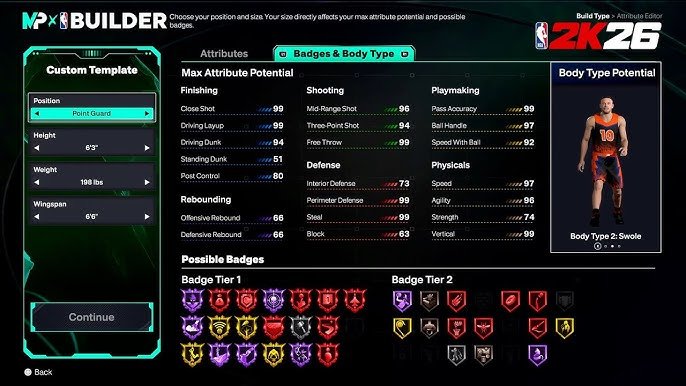
Key Attributes to Consider for Each Position
When evaluating players, pay attention to key attributes that are important for each position. This will help you identify players who fit your playstyle and team needs.
Point Guard Attributes
Ball-Handling: Essential for dribbling and creating space.
Passing: Crucial for making accurate and timely passes.
Speed: Important for driving to the basket and getting open.
Three-Point Shooting: Valuable for spacing the floor and scoring points.
Defensive Awareness: Key for making smart defensive plays and anticipating passes.
Shooting Guard Attributes
Three-Point Shooting: Essential for scoring points from beyond the arc.
Mid-Range Shooting: Valuable for scoring from mid-range distances.
Dribbling: Important for creating scoring opportunities and getting open.
Speed: Crucial for driving to the basket and getting open.
Perimeter Defense: Key for defending opposing guards and wings.
Small Forward Attributes
Three-Point Shooting: Important for spacing the floor and scoring points.
Driving: Essential for attacking the basket and creating opportunities.
Rebounding: Valuable for securing possessions and starting fast breaks.
Perimeter Defense: Key for defending opposing wings and guards.
Passing: Crucial for making accurate passes and creating opportunities.
Power Forward Attributes
Rebounding: Essential for securing possessions and starting fast breaks.
Interior Defense: Crucial for protecting the rim and defending opposing forwards.
Post Scoring: Important for scoring inside the paint.
Mid-Range Shooting: Valuable for spacing the floor and scoring points.
Strength: Key for battling for rebounds and defending larger players.
Center Attributes
Rebounding: Essential for securing possessions and dominating the boards.
Interior Defense: Crucial for protecting the rim and blocking shots.
Post Scoring: Important for scoring inside the paint.
Strength: Key for battling for rebounds and defending opposing centers.
Blocking: Valuable for deterring opponents from driving to the basket.
Utilizing Hot Zones in NBA 2K26
Hot Zones indicate areas on the court where a player shoots well. Utilizing these hot zones can significantly improve your scoring efficiency. Players tend to make more shots from their hot zones.
Identifying Hot Zones: Check the player card to see a player’s hot zones.
Creating Opportunities: Design plays that get players open in their hot zones.
Exploiting Hot Zones: Make sure to get the ball to players when they are in their hot zones.
Cold Zones: Avoid shooting from cold zones, as the player is less likely to make the shot.
Practice: Familiarize yourself with player’s hot zones in practice mode.
The Importance of Team Chemistry in NBA 2K26
Team chemistry plays a significant role in NBA 2K26. Players with high chemistry perform better together on the court. Chemistry is influenced by factors such as player roles, playstyles, and personalities.
Building Chemistry: Play players together consistently to build chemistry.
Player Roles: Ensure players have clearly defined roles that complement each other.
Playstyles: Match players with similar playstyles to improve synergy.
Communication: Encourage players to communicate and work together on offense and defense.
Benefits: High team chemistry leads to improved performance, better teamwork, and more wins.
Tips for Mastering Different Positions
Mastering each position takes time and practice. Here are some tips to help you improve your skills at each position:
Point Guard: Practice ball-handling drills, improve passing accuracy, and study game film.
Shooting Guard: Work on your shooting form, practice dribbling moves, and develop a quick release.
Small Forward: Improve your rebounding skills, practice driving to the basket, and work on your perimeter defense.
Power Forward: Focus on your interior defense, practice post moves, and improve your rebounding ability.
Center: Work on your post moves, practice blocking shots, and improve your rebounding technique.
By understanding the different positions and roles in NBA 2K26, you can build a winning team and dominate the competition. Remember to adapt your playstyle and utilize player tendencies to maximize your success. Good luck and have fun!
NBA 2K26 TOP 10 TIPS & TRICKS FOR BEGINNERS! (BEFORE YOU PLAY 2K26)
Final Thoughts
In short, learning each position’s basic duties is a must. Point Guards run the offense, while Shooting Guards score. Small Forwards provide versatility. Power Forwards rebound and score inside. Centers anchor the defense.
Understanding these roles helps you build a balanced team. Each role provides unique skill sets. It is vital to understand these to achieve your goals in NBA 2K26.
Ultimately, with this NBA 2K26 beginners guide to understanding player positions and roles, you’re better equipped to strategize. Focus on these essential concepts to improve your gameplay!