
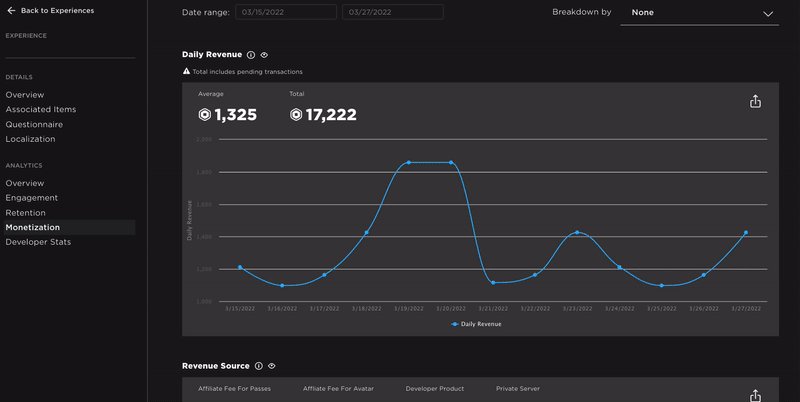
Data analysis of Roblox player behavior directly informs monetization strategies by revealing which game elements drive spending and engagement.
Want to make your Roblox game a success? It’s not just about having fun; it’s also about understanding your players. Specifically, Roblox data analysis for monetization is crucial. This process gives you insights into player actions.
We can identify popular features, spending patterns, and drop-off points using data. This information allows you to make smart adjustments to your game. These smart adjustments help to maximize engagement and revenue.

Roblox Data Analysis for Monetization: Turning Playtime into Profit
Making a successful game on Roblox isn’t just about having a cool idea; it’s also about understanding what your players love and how they interact with your game. Think of it like being a detective, but instead of solving crimes, you’re figuring out how to make your game even better and more profitable! This is where data analysis comes in. It’s like having a secret map that shows you where to go to find gold – or in this case, robux!
Understanding the Basics of Roblox Data
Before we start diving into how to make money, we need to understand what kind of information Roblox provides. Data is simply a collection of facts or statistics that tells us what’s happening in our game. Imagine it’s like a report card, but instead of grades, it shows things like:
- Playtime: How long do players spend in your game?
- Visit Frequency: How often do players come back to your game?
- Game Progress: What levels or areas do players reach the most?
- Item Usage: What items or features do players use and like?
- Drop-off Points: Where do players tend to leave your game?
- Purchases: What items or game passes are players buying?
Where to Find Your Roblox Data
Roblox has a built-in dashboard called the “Creator Dashboard”. It’s like a control panel for your game and gives you the basic data you need. Here’s how you find it:
- Go to the Roblox website and log in to your account.
- Click on “Create” in the top navigation bar.
- Find your game in the list of creations.
- Click on the game, and you’ll see the Creator Dashboard.
On the Creator Dashboard, you’ll see charts and numbers related to player visits, playtime, and revenue. For more detailed information, you might need to explore the developer stats or use third-party analytical tools.
Why is Data Analysis Important for Monetization?
Data analysis helps you understand what’s working in your game and what’s not. It’s like having a superpower that lets you see into the minds of your players! If you’re trying to make money from your game, understanding this data is crucial. Here’s why:
- Identifying Popular Features: Data shows you what players love the most. If a certain weapon or mini-game is super popular, you can focus on adding more similar content.
- Fixing Problem Areas: If players always stop playing at a particular level or location, data can help you find the trouble spot. Maybe that area is too hard or not fun, and you can make changes to improve it.
- Optimizing In-Game Purchases: You can figure out what items players are most likely to buy. This helps you create items that players want, increasing your sales and revenue.
- Improving Player Retention: By understanding why players leave, you can make adjustments that encourage them to play longer and come back more often. More players mean more chances for them to see your monetization elements.
- Making Data-Driven Decisions: Instead of guessing what to add or change, you can make informed decisions based on the information you have. This increases your chance of creating successful changes.
Key Metrics to Track for Monetization
Not all data is equally useful. Some data points are more important than others when it comes to making money from your game. Here are some important metrics you should pay attention to:
Average Session Length
This is the average amount of time players spend in your game each time they play. A longer average session length suggests players are engaged, and that’s a good sign. If your session length is short, you might want to look into ways to keep players playing longer.
- Good for: Overall game engagement and potential for more in-game interaction.
- How to Improve: Add new content, create compelling quests, and fix game bugs.
Daily Active Users (DAU) & Monthly Active Users (MAU)
DAU is the number of unique players who visit your game each day, and MAU is the number of unique players who visit your game each month. These numbers tell you how many people are interested in your game.
- Good for: Understanding the overall health and popularity of your game.
- How to Improve: Promote your game on social media and Roblox, update it regularly, and make sure it’s fun to play.
Retention Rate
This tells you what percentage of new players come back to play your game again. A higher retention rate indicates that players are enjoying your game enough to keep coming back. Low retention means you need to improve your game experience.
- Good for: Measuring the sustainability of your game and how well players are enjoying it.
- How to Improve: Make a good first impression, add tutorials, and ensure the game is rewarding and easy to understand.
Conversion Rate
This metric measures the percentage of players who actually make a purchase in your game. If many players are in your game but few are buying anything, you need to look at your pricing and the value of your products.
- Good for: Understanding the effectiveness of your monetization strategies.
- How to Improve: Create value for your in-game purchases, offer discounts, and provide clear benefits for buying items.
Average Revenue Per User (ARPU)
ARPU measures how much revenue you make on average from each player. A higher ARPU means you are effectively making money from your players. This number is often more important than total revenue because it shows you how effective your monetization is.
- Good for: Understanding the profitability of your game.
- How to Improve: Improve game pass offerings, create unique in-game items, and optimize pricing.
Churn Rate
Churn Rate is the opposite of retention rate; it measures the percentage of players who stop playing your game within a given time. A high churn rate means you are losing players quickly, which is bad news. Understanding churn helps you pinpoint problems that cause players to abandon your game.
- Good for: Pinpointing the major issues that make players leave your game.
- How to Improve: By observing the places where players leave, adjust gameplay, remove bugs and create engagement by adding fresh content.
Session Frequency
This measures how often players return to play your game. High session frequency shows that players find your game engaging and interesting enough to return again and again. It’s often combined with playtime to understand player engagement better.
- Good for: Understanding the stickiness of your game and how often it’s used by players.
- How to Improve: Incorporate daily rewards, challenges, or new content updates regularly.
By closely observing these metrics, you can get a comprehensive idea of how the game is doing and what needs improvement.
Using Data to Improve Monetization Strategies
Once you’ve gathered your data, it’s time to put it to work! Here are some ways you can use data to improve how you make money on Roblox:
Optimizing Game Pass & Item Pricing
If your data shows that no one is buying your most expensive game pass, it’s a good idea to re-evaluate its value. You might need to lower the price or increase what the pass provides. Look at what items players are purchasing most often, and maybe create more things like that. Conversely, if an item is super popular, consider a small price increase if the value is justified.
Creating Desirable In-Game Items
Data can show you what kinds of items players are interested in. Are players buying more decorative items or ones that provide gameplay advantages? Based on these insights, create and update your in-game items so they are things players want to buy. It is crucial to think of the value of your item when deciding on a price.
Improving Game Design
If you notice players are dropping off at a particular point in your game, analyze that section. Is it too hard? Is it boring? Adjust that section and make it more fun to encourage players to keep going. Sometimes, small changes can make big differences in how long people play.
Timing and Promoting Sales
Analyze when players are most active to figure out the best times to promote sales or new content. Are most of your players active in the afternoon or the evening? Use this data to promote sales at the most strategic times to get more players involved. If your game is particularly active on the weekends, perhaps a sale would be most beneficial.
Listening to Player Feedback
While data is valuable, don’t forget to listen to what your players say directly! Look at comments, reviews, and feedback in forums. Combining player feedback with data analysis will give you a more complete understanding of how to make your game successful. Sometimes, players might point out issues that you would not see through the data alone.
Tools for Roblox Data Analysis
While Roblox’s Creator Dashboard offers some basic insights, sometimes you need more detailed data. Here are some options:
Roblox Developer Stats
These provide more detailed insights about play sessions, retention, and user engagement. You can access this information directly in the creator hub.
Third-Party Analytics Platforms
Some third-party analytics platforms can integrate with Roblox. They offer more detailed data and tools to analyze your game. Some of these are paid, but they can provide a lot of helpful information. Research these tools to find one that is best for you.
Custom Scripts
If you’re comfortable with scripting, you can write custom scripts to collect and analyze specific data. This requires more technical skills but allows for very specific data collection tailored to the needs of your game. These are the most advanced tools and require more in-depth knowledge of scripting.
Ethical Considerations
As you collect and use data, remember to be ethical and treat your players with respect. Don’t collect data that players don’t know about. Be sure to be transparent about what information you collect and how you use it. You should aim to create fun and engaging experiences, not just find ways to make more money.
Analyzing data may seem complex but is simply a way to get to know your players. It’s like listening to what they are saying, which will help you make a more interesting and profitable game. When you use data wisely, you will find it has many uses, from identifying problem areas to boosting the sales of your products. By keeping an eye on these metrics, you can make smart decisions that enhance both your players’ experience and your game’s revenue. In the end, the goal is to create a game that people enjoy playing and that also makes you some Robux! The better you understand your data, the more effectively you can improve your game and its income.
Roblox Developer Conference 2018 – Monetization Panel
Final Thoughts
Careful tracking of player behavior patterns allows developers to pinpoint popular game features. Understanding user engagement helps optimize in-game purchases and design appealing virtual items. These insights directly inform effective monetization strategies.
Analyzing retention rates and playtime data provides critical information about game balance. Proper utilization of this information enhances user experience which results in long term profitability. Roblox data analysis for monetization becomes a powerful tool.
Ultimately, data-driven decisions boost revenue. Developers should actively examine metrics to improve their game. Such a proactive approach helps achieve financial success.

