
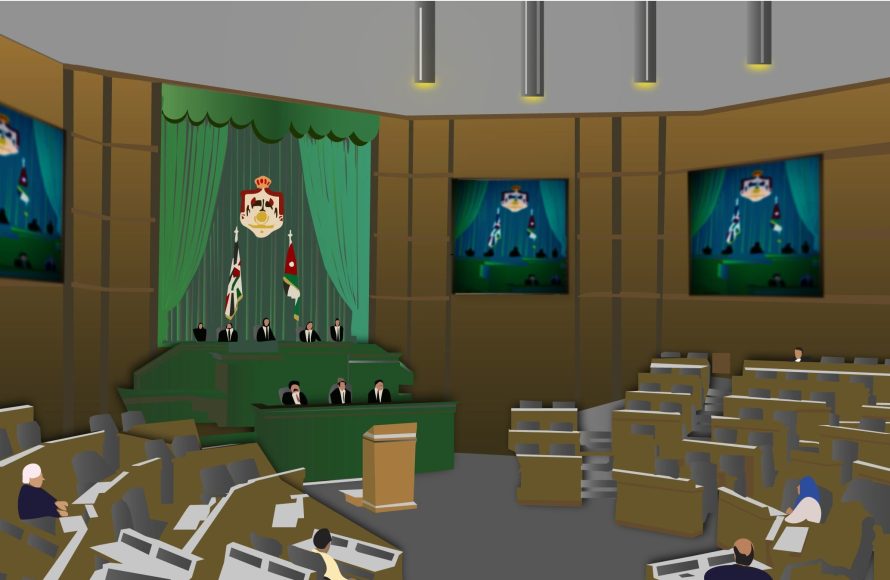
‘Roblox democratic institutions, while not directly mirroring real-world governments, allow players to participate in community governance through in-game voting and decision-making systems.’
Ever wonder how some Roblox games decide on map changes or new features? Many use forms of roblox democratic institutions, allowing players to have a voice. These systems are pretty fascinating, offering a glimpse into how communities can self-govern within a virtual space.
It’s all about how developers create opportunities for players to influence the direction of the game. These structures often involve player polls or leaderboards where the community makes the critical choices.

Roblox Democratic Institutions: Building Virtual Governments
Have you ever wondered how decisions are made in your favorite Roblox games? Many games on Roblox aren’t just about running around and collecting things. Some games create entire virtual societies, and like real societies, they often need rules and ways for people to have a voice. That’s where Roblox democratic institutions come in! These are systems that let players participate in making decisions that affect the game and its community. Let’s explore how these cool systems work.
What Are Roblox Democratic Institutions?
Think of democratic institutions like the rules of a playground. They decide how things are done, who makes the decisions, and how everyone can get along. In Roblox, these “rules” aren’t just in the game’s code; they’re often made and influenced by the players themselves. These systems aim to give players a say in how the game operates, making it feel more like a community effort than just a game controlled by a single creator. These institutions can be official parts of a game, or they can grow organically from player interactions.
Some examples might include:
- Voting systems: Players vote on new features, changes to the rules, or even who gets to be a community leader.
- Player-created councils: Groups of players are elected or appointed to make important decisions.
- Petitions and proposals: Players can suggest changes or new ideas, and the community can support them.
- Town halls or forums: Regular meetings or online spaces where players can share ideas and give feedback.
Types of Democratic Systems in Roblox
There isn’t just one way to create a democratic game. Here are some of the different styles you might come across in the Roblox world:
Direct Democracy
Imagine if everyone got to vote on every single decision. That’s kind of how direct democracy works. In a Roblox game using direct democracy, each player has a chance to vote on all the important game decisions. This can be very fun because everyone feels like their voice counts. However, it can also be a bit tricky to manage if the game has lots and lots of players.
Examples in Roblox:
- Games where players vote on which new map to add next.
- Servers where players vote to change game rules every few weeks.
- Community events decided by player polls.
Pros:
- Every player gets a direct say.
- Creates a strong sense of ownership.
- Very transparent decision-making process.
Cons:
- Can be difficult to manage with large player bases.
- May slow down decision making.
- Possibility of less popular opinions being ignored by majority.
Representative Democracy
Think of representative democracy like having class representatives in school. Instead of everyone voting on every issue, you vote for someone to represent your views and make decisions for you. In a Roblox game using representative democracy, players elect people to be their representatives, and these representatives form a council or committee. This system can be very useful in larger games where direct voting would be too difficult to handle.
Examples in Roblox:
- Servers where players elect moderators to enforce rules.
- Guilds or clans that elect leaders to make strategic decisions.
- Games with player-elected councils who suggest updates or balance changes.
Pros:
- Easier to manage with a large number of players.
- Allows for more focused decision-making.
- Players can have input through their representatives.
Cons:
- Representatives may not always align with the views of everyone.
- Possibility of corruption or unfair representation.
- Players might feel less connected to decisions.
Hybrid Systems
Sometimes, games use a mix of both direct and representative democracy. They might let players vote on big decisions directly, but then have a smaller council of elected players handle smaller or more technical issues. For example, the community might vote on the next major game theme, while a council decides on specific gameplay adjustments.
Examples in Roblox:
- Games with regular direct votes on new content and elected moderators.
- Servers using direct democracy for main rules and elected players for specific roles.
Pros:
- Balances direct participation with focused leadership.
- Offers flexibility in different situations.
- Players get to voice in different ways.
Cons:
- Can be more complex to manage.
- Requires clear rules on which system applies to which decisions.
- Can lead to confusion if not implemented well.
Why are Democratic Institutions important in Roblox?
You might ask, why is all of this needed in a game? Well, Roblox is not just a collection of games, it’s a place where people come to create community and have fun. Having democratic institutions makes the following things better:
Player Engagement
When players feel like their opinions are valued, they become more invested in the game. They are more likely to play more, invite friends, and care about the well-being of the game and the community. Democratic institutions give players a sense of ownership, because they know that their contributions matter.
Community Building
Democratic institutions provide a basis for community building in a game. Players work together to make decisions, communicate their ideas, and create a common goal. This can lead to positive interactions and make the game more enjoyable for everyone. It helps transform a game from just a single-player experience to a shared experience.
Fairness and Justice
In a game without rules or a way for players to voice concerns, some players might exploit the system and have more power than others. Democratic systems help to ensure the game is fair and just, giving all players an equal opportunity to contribute and enjoy the game without unfair advantage. This is achieved when game rules are made with player input and are generally accepted and followed by most of the community.
Managing Conflicts
Disagreements are natural, even in a game. Democratic institutions create ways for conflict to be resolved fairly and for all players to voice their problems. Through a system of voting, elected leaders, or open forums, issues can be addressed openly and resolved in a way that makes most of the community feel heard.
Challenges in Roblox Democratic Institutions
While democratic systems can be great, they are not perfect. Here are some of the challenges that can occur:
Low Participation
Sometimes players aren’t interested in participating in votes or discussions. This can lead to decisions being made by a smaller group and not truly reflect the will of the whole community. Encouraging participation is crucial but can be difficult.
Manipulation
Some players may attempt to manipulate voting systems or unfairly influence the community for their personal gain. These attempts can undermine the trust and fairness of the democratic institutions. This makes it important to have safeguards against such attempts.
Decision-Making Complexity
Sometimes, complex issues or topics require a lot of knowledge or expertise. In some cases, having an entire community weigh in on those issues can be too complicated. Finding a balance between community involvement and technical know-how can be difficult.
Time and Effort
Implementing and maintaining democratic institutions takes time and resources. Game developers often have limited resources and may find it difficult to prioritize democratic system implementation and management. This can lead to slow or inconsistent processes.
Examples of Roblox Democratic Institutions in Action
Let’s check a few real-world examples of how these institutions operate in existing games:
Roleplaying Communities
Many roleplaying games utilize a democratic setup, with elected leaders, open forums, and regular town meetings. These communities elect players into different roles and give them responsibilities to help the game run better. These systems can really empower player interactions and encourage meaningful roles in the game.
Strategy Games
Strategy games sometimes have systems where alliances or guilds elect leaders to make strategic decisions. This encourages collaboration between players and gives them a sense of collective power within the game. In this style, player interaction is at the forefront of the gameplay experience.
Simulation Games
Some simulation games allow players to vote on changes to the game, such as adding new features or balancing existing ones. This makes the game feel more like a collaborative and community-driven experience. These systems give players a chance to contribute to the future direction of their game.
Building Your Own Roblox Democratic System
If you’re a creator on Roblox, you might be inspired to create your own democratic system. Here are some points to consider while building your system.
Define Your Goals
Before you start building, think about what you want to achieve with your democratic institutions. Do you want more player involvement? Do you want to create a sense of community? A clear goal will help you decide what type of system to implement.
Keep it Simple
Start with a simple system that’s easy for players to understand and get involved in. Complex voting systems can cause confusion or discouragement. Make sure your system is easy to navigate.
Be Transparent
Make sure that all decision-making processes are open and clear. Players need to understand how decisions are made and where their voice fits in. Clarity increases trust within the community.
Encourage Participation
Create incentives for players to participate in democratic processes. Make it fun, easy, and rewarding. This may increase player turnout and ensure community feedback.
Be Ready to Adapt
Democratic systems will always evolve as your game and community grow. Be prepared to adjust your systems based on feedback and the needs of your players. Your system is a living system, which requires constant input and maintenance.
The Future of Democratic Institutions in Roblox
As Roblox continues to grow and develop, we can expect to see more games that have more intricate and player-driven democratic institutions. These systems have the potential to improve community interaction, player engagement, and make the games feel more unique and immersive. Players will have a bigger role in shaping the virtual worlds of the future, making it a fun environment for everyone.
In closing, Roblox democratic institutions are more than just fancy game features; they are ways to engage players and cultivate a sense of community. These systems allow players to voice their opinions, contribute to decision-making, and have a larger impact on the virtual worlds they inhabit. Whether it’s a simple voting system or a complex council of elected representatives, these institutions are essential for creating interactive and thriving communities in the Roblox universe. As games evolve, the power of player-driven decisions will only continue to shape the future of gameplay.
Ideologies – Let's Learn 'Rise of Nations' Roblox (Guide)
Final Thoughts
Roblox’s user-generated content provides unique opportunities. Players can shape virtual worlds. This extends to building political structures. We see a trend towards experimentation with in-game democracies.
These experiments present challenges. Balancing power and ensuring fairness remains important. Despite hurdles, these systems offer vital lessons. Roblox democratic institutions can offer learning for real world applications.
Ultimately, these virtual experiments with governance are fascinating. They show how players approach organization. These lessons learned can potentially help us improve systems in reality.

