
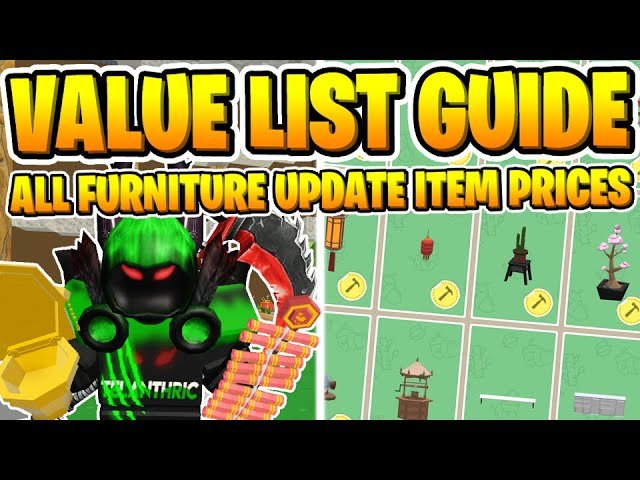
Effective Roblox in-game item pricing strategy
balances perceived value with player willingness to pay, often using tiered systems or limited-time offers to maximize profit and engagement.
Have you ever wondered how some Roblox games manage to keep players engaged and spending? It’s not just about cool items, it’s also about a carefully considered plan. This is where understanding the importance of Roblox in-game item pricing strategy comes into play. This pricing strategy impacts both the game’s economy and the player’s experience.
Finding that sweet spot where players see value and developers earn revenue is key. Pricing too high can deter purchase, while too low may devalue the item and hurt long-term profits. Smart game creators actively study player behavior, experimenting with different approaches to make their pricing more successful.

Roblox In-Game Item Pricing Strategy
Alright, let’s dive deep into the fascinating world of Roblox in-game item pricing! If you’re a creator on Roblox, you know that figuring out the right price for your cool hats, awesome gear, or amazing game passes is super important. Price it too high, and nobody buys. Price it too low, and you might be losing out on potential Robux. It’s a balancing act, and we’re here to help you nail it. This isn’t just about pulling numbers out of thin air; it’s about crafting a clever strategy that works for your specific items and your game.
Understanding the Basics of Roblox Pricing
Before we jump into the nitty-gritty, let’s cover some fundamental concepts. Think of it like learning the rules of a game before you start playing. There are a few key things every Roblox creator should be aware of when setting prices:
The Value Proposition
The first question you need to ask yourself is: “What’s my item actually worth?” This isn’t just about how cool it looks, but also about what it does. Does it give players an advantage? Is it super rare? Is it something everyone wants? For example, a simple hat that’s just for looks might not be worth as much as a powerful sword that helps players win battles. You need to really think about what your item brings to the table and who it’s going to be valuable for.
Supply and Demand
This is a big one! Supply and demand are like two sides of a seesaw. When there are lots of an item available (high supply), the price tends to go down. When there aren’t many of an item around and lots of people want it (high demand), the price usually goes up. Think about limited-edition items; they often sell for much more because they’re hard to get. Keeping an eye on the popularity of your item, and how many copies are available, can really help you set a price that reflects its value.
Market Research
Don’t go in blind! Before you set a price for your item, it’s a good idea to do a bit of “market research.” This is just a fancy way of saying you should check out what other people are charging for similar items. Look at items that do the same kind of things or have the same level of coolness. See what price range they fall into. This can give you a good starting point for your own prices. Remember, it’s always smart to learn from others!
Robux: The Game Currency
Everything on Roblox is bought and sold using Robux. This is Roblox’s own virtual money. When you are setting prices, keep in mind how many Robux you want to earn and how much Robux you think players would be willing to spend on your item. Robux isn’t real money, but it has real-world value if you decide to trade them for cash. This helps you understand the importance of pricing correctly and also in understanding the real money value of your digital assets on Roblox.
Types of In-Game Items and Their Pricing
Not all in-game items are created equal, and their pricing should reflect that. Let’s take a look at different types of items and the pricing strategies that might work best for them:
Cosmetic Items (Hats, Clothing, Accessories)
These are items that mostly change the way your avatar looks. Think hats, shirts, pants, cool glasses, and other wearable stuff. Cosmetic items usually fall into a few different pricing categories:
- Basic/Common: These are your everyday items, and they usually have a lower price point. Think basic-colored hats or a plain t-shirt. They are mass produced and not much of novelty, hence a low price point is very important.
- Unique/Stylish: These items might have special designs or textures that make them stand out. These can usually command a bit higher price compared to common items. Maybe it’s a hat with a cool pattern or a shirt with a funny logo.
- Limited Edition/Rare: These are the treasures! Limited-edition cosmetics are only available for a short time or are very hard to find. Because of their scarcity, they can have much higher prices, sometimes even going for thousands of Robux. For example, a hat that’s only available during a special in-game event.
Functional Items (Weapons, Tools, Power-Ups)
These are items that actually help players in the game. Think weapons, tools for building, power-ups, and special abilities. Functional items often have a different pricing structure than cosmetic items:
- Basic/Essential: These are items that most players need to start or progress in the game. They can be reasonably priced to make them accessible to everyone, like a basic sword in a battle game or a shovel in a building game.
- Advanced/Powerful: These are stronger or more efficient items that can give players an advantage. They are typically priced higher than basic items. For example, a rocket launcher instead of a regular sword.
- Special/Premium: These are super-powered or rare items that can significantly improve a player’s gameplay. These items often cost a significant amount of Robux because of their high value and can often be game changing.
Game Passes and Perks
Game passes are special items that give players extra features or abilities within a game. These often come with a unique pricing strategy:
- Early Access/Beta Access: A game pass to let players into the game early, or try out parts of the game before they’re released. These can have a higher cost, for the players who want to experience the game before others.
- Permanent Boosts/Multipliers: These give a permanent advantage to the player, like double experience or extra rewards. Their pricing has to be thought out properly, giving the player the feeling of value.
- Exclusive Areas/Features: A pass that gives access to certain areas or special features that normal players can’t access. The pricing for such passes depends on the exclusivity and desirability of the content.
Advanced Pricing Strategies
Now that we’ve covered the basics, let’s get into some more advanced pricing tactics. These strategies can really help you maximize your Robux earnings:
Psychological Pricing
Sometimes, the way you present a price can make a big difference in how people react to it. For example, pricing an item at 99 Robux instead of 100 Robux can make it seem cheaper, even though the difference is tiny. It’s a bit of a trick but can be effective in attracting some players. It plays on how people read and perceive prices.
Bundling and Package Deals
Think about putting related items together as a bundle, and selling them at a slight discount. For example, you might offer a pack of three different hats for less than the total price of buying each hat individually. This can encourage players to spend a bit more. They think they are getting a better bargain than purchasing each of the items individually.
Dynamic Pricing
Dynamic pricing means changing your prices based on how popular an item is or how much of it is in stock. If something is flying off the shelves, you could slightly raise the price. If something is not selling, you can lower the price to try and attract more sales. This can be done manually or, if Roblox allows, via automated scripts (be careful with this). It keeps your prices competitive and responsive to changes.
Tiered Pricing
This is when you offer different versions of an item at different prices. Maybe you have a basic sword for 100 Robux, and a supercharged sword for 500 Robux. This gives players options based on how much they are willing to spend, and lets you cater to different segments of your players. Offering choices to players is always a good idea.
Sales and Discounts
Just like in real life, running sales and offering discounts on your items can create some excitement and encourage players to buy. This can bring in a whole new set of buyers. You might offer a time-limited discount, maybe a 20% off for the weekend, or special discounts for holidays.
Analyzing Your Sales Data
Setting the right price is just the first step. You also need to keep an eye on how well your items are actually selling. This data can give you valuable insights that helps you improve your pricing strategies.
Tracking Sales Volume
How many of each item are you selling? Keep track of the sales volume for each item to figure out what is working well and what’s not. If something is selling fast, that can be a good sign you are pricing it just right, or even too low, and if the sales are slow, you might need to lower the price. The more data you collect, the better you will understand what works for you.
Monitoring Revenue
It’s not just about sales volume, but also how much Robux you are actually earning. Keep track of the revenue generated by each of your items. You might find that an item that sells fewer units actually generates more money because it has a higher price point. This data will help you understand what is bringing in the most income.
Player Feedback
Don’t forget to pay attention to what your players are saying! Read comments, join discussions, and see if players are complaining about the pricing. Maybe the item is way too expensive, or maybe it’s a great value. This can give you a direct connection with your buyers and adjust your prices based on what they are saying. Make sure you pay attention to player opinion because it matters.
A/B Testing Prices
One great idea is to test out different prices and see which one gets the best results. Try setting one price for a week, and then another price the next week and see how sales change. Make sure that you are not making changes too drastically or too fast, so you can accurately judge the results. For example, start with 100 Robux for a hat, and then after a week, if the sales are not good, try reducing it to 80 Robux and see what happens.
Tools and Resources for Roblox Pricing
Luckily, there are some tools and resources out there that can help you with your Roblox pricing strategy. These tools can help you manage your inventory and provide data about prices.
Roblox Developer Stats
Roblox itself provides a lot of information about your game. Check out the creator dashboard to see how your items are performing and where your revenue is coming from. This is built into Roblox and gives you a lot of good data. This is the most important tool to use as it provides all of the relevant data about your game and items.
Third-Party Tracking Websites
There are some websites created by Roblox enthusiasts that provide extra analytics and data. These are often not official and it is important to do your due diligence and make sure that they are safe to use. These websites can give you more in-depth sales data and can sometimes show trends you might miss in Roblox’s own analytics.
Community Forums and Groups
Talk to other creators! Share your pricing strategies and learn from other people’s experiences. There are many online forums and groups where you can discuss pricing and get valuable insight from fellow developers. This collaborative spirit is very useful for you to learn and grow as a creator.
Spreadsheets
A simple spreadsheet (like Google Sheets or Microsoft Excel) can also be very useful. You can track your sales, calculate revenue, and even try to build trend lines on your item performance. This is useful for more complicated calculations.
Setting the right prices for your Roblox items is both an art and a science. It requires you to understand your items, your audience, and the market as a whole. Don’t be afraid to experiment, track your results, and make adjustments along the way. With a good strategy and a bit of patience, you can find the sweet spot that maximizes your Robux earnings and keeps your players happy. The Roblox market is a lively one, and with correct application of these strategies, you can be very successful.
This Roblox Game Gives You FREE ITEMS!
Final Thoughts
Careful balancing of cost, perceived value, and game economy is critical for success. Consider item rarity and player desires when setting prices. Regularly review and adjust your roblox in game item pricing strategy. Player feedback and market trends should guide these revisions.
The goal is to find that sweet spot between profitability and player satisfaction. A well-planned approach helps sustain a healthy economy. A strong roblox in game item pricing strategy is essential for long-term engagement.

