
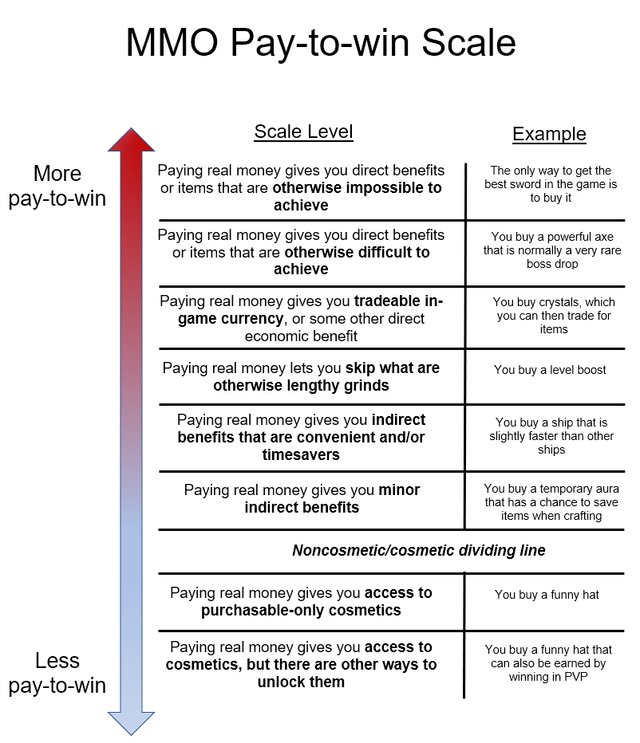
‘Roblox pay to win monetization’ involves game developers offering advantages for real money, which can directly impact gameplay and give paying players a competitive edge over those who don’t spend.
Is your favourite Roblox game feeling less about skill and more about who has the deepest pockets? The debate around ‘roblox pay to win monetization,’ rages on within the community, and it raises important questions about fairness in online gaming.
Many games on the platform offer in-app purchases that dramatically affect player progression. This can range from weapons and powerups to unique perks, creating a divide between those who pay and those who do not. It is a complex topic with passionate arguments on both sides.

Roblox Pay to Win Monetization: Is it Fair Play?
Roblox, the hugely popular online game platform, is a place where you can build worlds, play games created by others, and hang out with friends. It’s a digital playground enjoyed by millions. But like many online platforms, Roblox has its own system for making money. This is where the idea of “pay to win” comes in, and it can sometimes make things feel a little unfair.
Understanding Roblox’s Monetization System
Before we dive into the “pay to win” aspect, let’s first understand how Roblox makes money. It primarily uses a virtual currency called Robux. Players can buy Robux using real-world money, and this Robux can be spent in many ways within the platform.
How Robux Works
Robux is the key to a lot of things in Roblox. Here’s how it works:
- Buying Items: You can use Robux to buy clothes for your avatar, cool accessories, and even special effects. This makes your character unique and can be a lot of fun.
- Game Passes: Game developers can create “game passes.” These are one-time purchases that can give you special abilities, access to new areas, or extra items within a specific game.
- Developer Products: Developers can also create “developer products.” These are often consumable items like potions, weapons, or in-game currency that you can buy repeatedly.
- Premium Membership: Roblox also offers a premium membership. This gives you a monthly allowance of Robux, access to certain features, and trading capabilities.
These different ways of spending Robux allow players to customize their experiences and support developers, but sometimes they also create situations that feel unbalanced.
The Concept of “Pay to Win” in Roblox
So, what exactly do we mean by “pay to win?” In simple terms, it means that if you spend real money to buy Robux and use it within a game, you might gain a significant advantage over players who don’t spend any money or spend less. This advantage can come in different forms, like having much more powerful weapons, having extra health points, having the ability to move more quickly or unlock secret areas. This can mean that your skill as a player is not the most important factor for winning in certain games, and this can be very frustrating for some players.
Examples of “Pay to Win” Scenarios
Let’s look at some real-world examples that commonly occur in Roblox games:
- The Super Weapon: Imagine a game where you can buy a sword for 1000 Robux. This sword can take out other players in one hit, while the normal swords players get at the beginning of the game take multiple hits. A player who spends real money to purchase this overpowered sword will have a big advantage compared to other players.
- The Speed Boost: Some games have “speed boost” game passes. A player who buys this game pass can run much faster than anyone else, making it harder for other players to catch them or making it easier to complete objectives.
- The Instant Win: Some games have developer products that can instantly level up your character or give you a huge amount of resources, taking out the challenge of playing the game as it was meant to be played, as well as the grind involved in these games. This can allow paying players to skip over the effort required to become powerful, and that can make it unfair.
- Exclusive Areas: Some games limit access to certain areas to players who purchase game passes, and these areas usually contain rare items or features to gain an upper hand, which creates an unequal playing field and allows the paying players to make quicker progress.
These scenarios can make it challenging and less fun for players who don’t spend money, as they are consistently playing with a disadvantage.
Why “Pay to Win” Can Be Problematic
The idea of “pay to win” raises a few significant issues, which affects the overall enjoyment of the Roblox experience.
Unfairness and Imbalance
The most apparent issue with “pay to win” is that it creates an unfair playing field. Players who pay money get advantages that others cannot achieve without paying. This advantage can completely change the game, making it less about skill and more about who can spend more Robux. This can be particularly frustrating for children who might not have the means to spend real money on in-game perks.
Reduced Player Engagement
When games feel unbalanced, players who cannot or choose not to spend money may become less motivated to play. They might feel like they have no chance of competing, and they may simply stop playing a game. This leads to a decline in player engagement and a smaller community for that game.
Negative Impact on the Community
The “pay to win” mentality can create a negative environment in Roblox. There can be resentment towards players who spend a lot of money on in-game advantages, leading to less positive interactions among players. Some games might even get a reputation for being overly focused on money rather than on fun gameplay.
The “Rich Get Richer” Effect
Some games are set up in a way that the more you spend, the bigger your advantage becomes. For example, you might be able to buy better gear with Robux, which allows you to win more easily. This allows you to win more and more rewards in the game, so then you can buy even better gear. This is an example of the rich getting richer, where paying players can rapidly grow their advantages and make the situation harder for non-paying players.
The Argument for Monetization in Roblox
It’s important to acknowledge that game developers need ways to make money. Creating and updating a Roblox game takes a lot of time, effort, and skill. Monetization helps developers keep improving the game and continue creating new content. It’s not necessarily a bad thing that a game creator wants to earn money for their work, but there are better and worse ways to do that.
Supporting Developers
When players buy game passes or developer products, they are directly supporting the game’s creators. This support allows developers to continue working on the game, add new features, fix problems, and keep the experience fresh. Without this income, they would not be able to continue creating the Roblox games we all enjoy.
Free to Play Model
Roblox operates on a “free to play” model. This means that everyone can join and play games on the platform without paying anything. This model can be a lot of fun for many players, as they can access and enjoy a lot of content for free. The monetization system allows Roblox to remain accessible to everyone. It is essential to understand that the “pay to win” model is only a small part of the platform, and there are a great number of games that aren’t set up that way.
Incentives to Create
The ability to earn Robux motivates developers to create exciting and innovative games. A healthy monetization system encourages people to use their creativity and build new experiences for the community, which results in a large variety of games that keep the platform enjoyable for everyone. The desire to get rewarded for their work inspires developers to put the time and effort required to make great games.
Finding a Balance: Fair Monetization Practices
The key is to find a balance between allowing developers to make money and maintaining a fair and enjoyable game environment for all players. The good news is that it’s possible for Roblox games to be monetized in a way that isn’t “pay to win.”
Cosmetic Items and Customizations
One great way to monetize a game is by offering cosmetic items, such as clothing for your avatar, cool hats, or unique character skins. These items allow players to express themselves and support developers without affecting gameplay balance. These kinds of purchases are a lot more acceptable because they make the game more visually appealing, but they don’t make it unfair for players who don’t want to buy them.
Time-Saving Purchases
Another approach is offering in-game purchases that save players time, rather than providing a direct advantage in skill or damage. For example, a player might be able to buy a boost that increases the amount of resources they earn or allows them to finish building projects faster. This can help reduce the grind in the game, but it doesn’t make it unfair for those who choose to play the game at its own pace.
Subscription Services
Instead of offering direct advantages for purchasing items, developers could use a subscription model. For a monthly fee, players can get extra items or access to certain features without creating significant advantages in the game. This could give them bonus coins or give them the ability to get more in-game resources, but that would not be as unfair as purchasing better equipment.
Fair Game Design Principles
Many developers are aware of the problems with “pay to win” and try to design their games to be fair for everyone. This can mean carefully balancing in-game items, giving all players a chance to succeed, and making sure that paying players don’t become excessively overpowered compared to non-paying players. Games like these tend to be more popular and retain a larger amount of players.
Tips for Players: Navigating “Pay to Win” Games
If you’re playing a Roblox game that you feel is “pay to win,” here are a few tips to help you manage that experience:
Choose Games Carefully
Before you start playing a game, try to learn more about it. Read the game’s description and reviews from other players. If players commonly complain about “pay to win”, you might want to choose a different game. This can help you find games that are more focused on skill and fair play.
Focus on Skill
Even in games that have “pay to win” elements, skill can still make a difference. Focus on improving your gameplay, strategy, and teamwork. You might be surprised at how well you can do, even if others have advantages because of spending money.
Find Alternative Games
Roblox has a vast library of games. If you find one game too focused on “pay to win”, there are many other games to try. Experiment with different genres and find games that are fun, engaging, and that you feel is fair. Don’t limit yourself to playing only games that focus on gaining an advantage by paying, there are many more experiences to explore.
Give Feedback to Developers
If you find a game that feels unfair, give honest and constructive feedback to the developer. Many developers care about their players, and they might not realize that some aspects of the game feel unbalanced. If you are respectful and clearly communicate your feedback, the game could change to be more fair to everyone.
Connect With Other Players
The Roblox community is vast. Connecting with other players can help you find better games, exchange gameplay tips, and have a more positive overall experience. Many Roblox games have discord servers that you can join to connect to other players. These communities can help you learn new things about games and have a more enjoyable experience playing.
While “pay to win” monetization is a concern in some Roblox games, it’s essential to understand that this is not the whole story of the platform. There are many games that offer a fun and fair experience for all players. It’s possible for developers to earn money without compromising on fairness, and players have many options when it comes to choosing what games to play.
6 Ways to Make REAL Money on Roblox (Passive Income Methods)
Final Thoughts
Ultimately, the prevalence of roblox pay to win monetization significantly impacts gameplay. Players with deeper pockets often gain substantial advantages, creating an uneven playing field. This can discourage less affluent players, diminishing the overall community experience. The pervasive nature of these mechanics needs careful consideration.

