
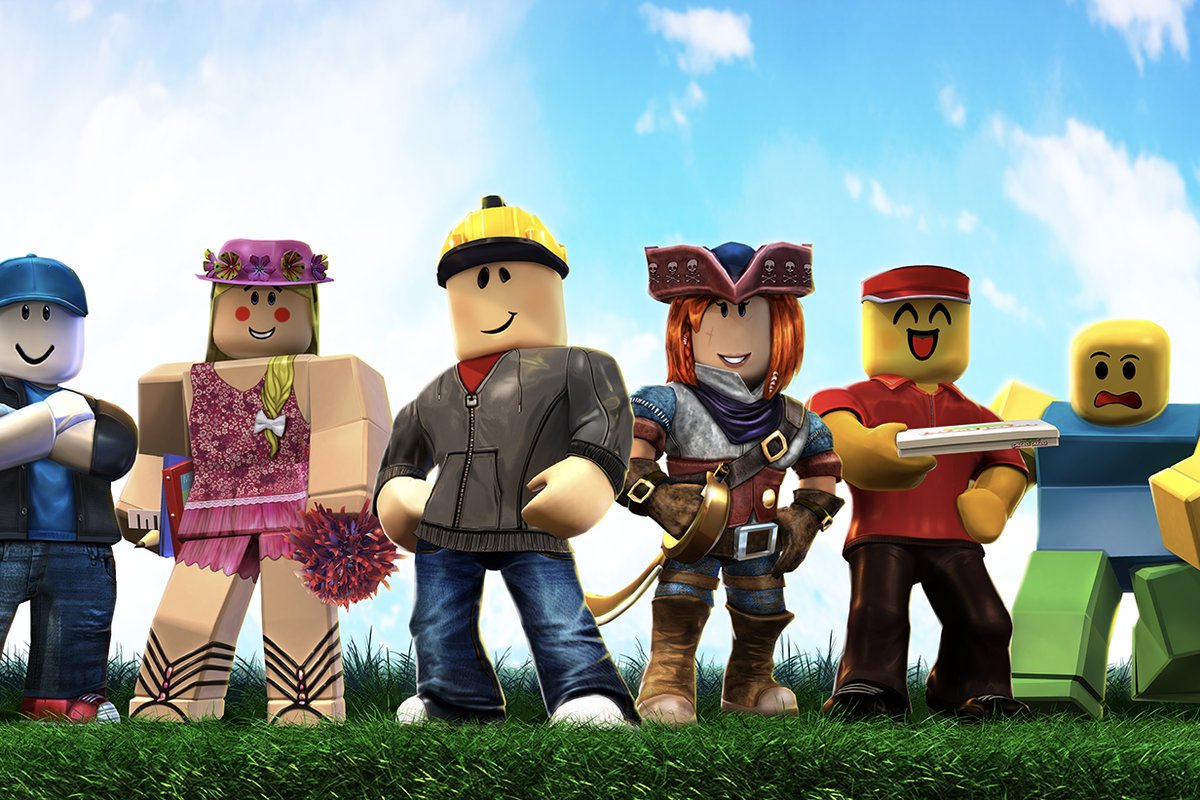
Effective Roblox player segmentation strategies involve grouping players based on behavior, spending habits, and play style, enabling targeted game updates and marketing efforts.
Understanding your players is key to a successful Roblox game. Different players enjoy your game for different reasons, and catering to these distinct groups can dramatically improve player retention and monetization. Applying effective roblox player segmentation strategies allows developers to tailor content precisely.
Grouping players by their in-game actions, like their skill level or how much time they spend playing, provides valuable information. This data allows developers to create personalized experiences. This in turn increases overall engagement within the Roblox ecosystem.

Roblox Player Segmentation Strategies: Understanding Your Audience
Alright, imagine you’re running a pizza place, but instead of just making cheese pizzas, you also make pepperoni, veggie, and even pineapple (if you dare!). You wouldn’t offer the same deal to everyone, right? You’d probably offer a bigger slice of pepperoni to someone who always orders pepperoni, and a deal on a veggie pizza to someone who always gets that. That’s basically what player segmentation is all about in the Roblox world. It’s about understanding that not all players are the same and figuring out how to best connect with each type of player.
Why Segment Your Roblox Players?
You might be thinking, “Why bother? Can’t I just make a great game and everyone will love it?” Well, you can, but understanding your players will make your game even better. Here’s why it’s super important:
- Better Engagement: When you know what players like, you can give them more of that. Maybe you have some players who absolutely adore collecting pets and some who love intense building contests. If you know this, you can create content specifically for them. This leads to happier players who spend more time in your game.
- More Effective Updates: Instead of guessing what players want in the next update, you’ll know exactly what features to include. Do your players love racing? Add more tracks! Do they want more items to customize their characters? Give them more clothes and accessories! It’s like reading your customers’ minds.
- Improved Monetization: If you know what players are interested in, it’s easier to offer them things they’re actually willing to pay for. Some players might be happy to buy a cool hat for their avatar, while others would be more interested in getting a special building tool. Knowing this helps you create items people will really value.
- Targeted Communication: Instead of sending everyone the same message, you can send specific messages to different groups. For example, you could let all your building-focused players know about a new building event.
- Increased Player Retention: When players feel like you “get” them, they’re more likely to stick around. They feel valued, which makes them want to return to your game again and again.
Different Ways to Segment Roblox Players
Okay, now that you know why it’s important, let’s look at how to segment your players. There are lots of different methods you can use, and it’s often best to use a combination of these approaches:
Segmenting by Gameplay Behavior
This is like looking at what players actually do in your game. It’s not about what they say they like, but what their in-game actions reveal. This helps you understand what they genuinely enjoy. Here are a few examples:
- New Players: These players are just starting to learn the ropes. They need lots of guidance and help to understand the basics of your game. Your goal is to make their first experience enjoyable so that they come back.
- Casual Players: These players play your game from time to time, and they often do not spend that much time in-game. They play for fun but might not be as dedicated as other players.
- Hardcore Players: These are players who dedicate a lot of time to your game. They play often and for long periods. They might be your most active players and very important for your game’s success.
- Builders: These players love to create things within your game. They spend a lot of time designing structures, and making their own custom creations.
- Explorers: These players love to discover new areas, and different hidden secrets inside of the game. They are often looking for collectibles and hidden paths within your game’s maps.
- Competitors: These players love to challenge each other or compete in events within your game. They are highly motivated by the chance to win or rank at the top.
- Social Players: These players enjoy interaction with others, and they come to your game to hang out with their friends. They might spend their time inside of your game just chatting or playing with others.
How to Identify Them: Track player actions like time spent playing, areas visited, building activity, or leaderboard rankings. This data can help you figure out which group each player belongs to.
Segmenting by Demographic Information
While Roblox doesn’t give out a ton of personal info about players for privacy reasons, you can still figure out some general stuff about them. This type of segmentation is more general, but still very helpful. This is like figuring out the age group that often plays your game. Here are some common ways to do it:
- Age Groups: Though you won’t know exact ages, you can have a general idea of the age ranges that play your game. Younger players might prefer bright colors and simpler games, while older players might like deeper storylines and more complex gameplay.
- Geographic Location: Knowing where your players are from can help with translation, marketing, and server allocation. For example, if a lot of players are from a specific country, you might want to translate your game into their language.
- Language: Similar to geographic location, language is an essential data point for communication. This way you can connect with your player base in their native language.
How to Identify Them: You can use surveys within your game or ask for their language preference in the settings. You can also check community spaces like forums or Discord to see where most players are based. Analyzing their in-game behavior may give you a glimpse into whether they are newer or older players based on how they use your game.
Segmenting by Engagement Levels
This looks at how actively players play your game. Are they playing every single day, or only once a month? This helps you understand who is really invested in your game, and who might need a little more attention to play more. Here are the levels you need to think about:
- Active Players: These players log in frequently and play your game for long periods. They’re your most engaged players and are very important to your game.
- Inactive Players: These players haven’t played your game in a while. They might have lost interest or simply moved on. You might want to reach out to them to encourage them to return to your game.
- Churned Players: These are the players who used to be active but no longer play. Understanding why they left will help you improve your game.
- Potential Players: These are the people who might be interested in your game but haven’t played it yet. They may have heard of your game from friends or online and need to know what they are missing out on.
How to Identify Them: Track login frequency, playtime, and the time between sessions. This will help you divide players into these categories.
Segmenting by Spending Behavior
This one is all about how much players spend inside your game. Some players never spend anything, and some players will buy almost every item you release. Understanding this is important for setting up your store and managing your in-game economy. Here are some categories:
- Free-to-Play Players: These players play your game without spending any Robux. They should still enjoy the game but may not have access to premium items.
- Occasional Spenders: These players spend Robux sometimes, but not very often. They might buy an item or two if it really interests them.
- Frequent Spenders: These players spend Robux regularly. They are usually highly engaged in your game and have an interest in premium items.
- Whales: These players spend the most money in your game. They often buy everything. These players are important to the game’s financial success.
How to Identify Them: Track purchase history, and create categories based on how much each player spends. This will help you target different messages to those different groups.
Tools to Help You Segment Your Roblox Players
So, you know what to do and why, but how exactly do you do it? Well, thankfully, you don’t have to do it all by hand. Several tools and strategies are very helpful:
Roblox’s Built-in Analytics
Roblox has its own analytics system that provides some basic information about players, like where they are from and what devices they are using. While it is not incredibly detailed, it is still useful to get a basic understanding of your players. This data will help you get an overview of the types of players using your game. Here is what you can find there:
- Daily Active Players (DAP): How many players come to your game each day. This lets you know how many people enjoy it.
- Average Session Length: How long people play your game each time. This tells you how engaging your game is.
- Retention Rate: How many players come back to your game. This helps you see if you need to make more content for your game.
Custom Game Analytics
You can create your own custom system to track the exact details you want. This allows for deeper player data to make your decisions. Here is how you can get the most out of custom game analytics:
- Develop Custom Scripts: Use Roblox’s scripting language, Lua, to track player behavior, such as how long they spend in certain areas, how many objects they build, etc.
- Utilize Data Stores: Save all the data in Roblox’s data store service, so you can use the data whenever you need it.
- Visualize Your Data: Use tables or graphs to help make sense of all your data, so that you can better understand your players.
External Analytics Platforms
There are third-party services that can provide even more in-depth analytics. They help you track much more and give you very detailed reports. These platforms often come with their own dashboards and tools for making reports. These include, but not limited to:
- Advanced Tracking: Detailed reports on game mechanics.
- Player Insights: Deeper knowledge about how your players play your game.
- User-Friendly Dashboards: Clear reports you can easily use to improve your game.
Practical Examples of Segmentation in Action
Let’s put all of this into real-world examples. How can you use the things you’ve learned about player segmentation to make your game better? Here are a few scenarios:
Scenario 1: The Adventure Game
Imagine you have a Roblox adventure game with different areas to explore. Using player segmentation, you might notice:
- Explorers: These players spend a lot of time discovering new areas and finding secrets. Give them more hidden paths and collectibles.
- Combat Enthusiasts: These players want to fight! They are always looking for monsters to battle. Make more challenging fights and give better rewards for those fights.
- Story Lovers: These players prefer to know the lore of the game, and want the game to have deeper meaning. Focus on story elements in new areas, and make those storylines more engaging.
Scenario 2: The Building Game
Imagine you have a Roblox game where players can create their own structures and share them with others. Using player segmentation, you might see:
- Casual Builders: These players like to build simple structures and play when they have free time. Offer them easy building tools, and a few premade structures to use.
- Creative Masters: These players spend a lot of time building advanced creations. Give them new parts and advanced building tools for their projects.
- Social Players: These players are here to see their friends and hangout with others. Build areas specifically designed for social interaction, and give them reasons to spend time together in game.
Scenario 3: The Role-Playing Game
Imagine you have a Roblox role-playing game with different character classes and quests. Using player segmentation, you might find:
- New Players: Guide them with clear instructions and a basic tutorial for each character. Make sure that the first play through is simple and easy to follow.
- Hardcore Players: Give them a difficult quest or area that will truly test their skills. They would love a fun challenge for them to overcome.
- Social Players: Give them opportunities to form groups and do quests as a team. Make sure they can enjoy the game with friends.
Turning Insights into Action
Okay, you’ve collected data and you’ve segmented your players. Now what? It’s time to turn those insights into game improvements. Here’s how to do it:
Personalized Content
Use the knowledge you have of each player group to create content that matches their tastes. This will ensure that you don’t miss out on the opportunity to keep them engaged with your game.
- Targeted Updates: Plan your new updates around what the different segments of your players want. For example, if a large segment likes building, make sure to add more building tools.
- Customized Rewards: Give out in-game rewards that are directly related to each group’s interests. If your players love collecting, then give them more things to collect.
- Tailored Events: Create game events for different segments of players, for example, a building contest for the builders or a battle royale for the combat enthusiasts.
Improved Communication
Now that you know your different player groups, you can talk to them in different ways, using different messages. Here is what you can do:
- Segmented Announcements: Send different announcements to different player groups. For example, tell your builders about new building items, and combat enthusiasts about new weapons.
- Community Engagement: Engage with different players in the community, and ask for their opinions about new things you may be planning.
- Personalized Messages: Send messages to players based on what they have done in your game. For example, you can send a message to players that haven’t been online in a while to come check out some new game content.
Iterate and Optimize
It’s very important to realize that this process is never over. The game is a living project that changes over time, as well as the players, so constantly improving is vital for success. Here is how you can keep improving:
- Constant Monitoring: Always monitor how the players respond to your game, and make changes based on what they do in game.
- A/B Testing: Try out different changes in your game and see which ones are more effective in keeping your players happy.
- Adapt as Needed: Make sure to change your game whenever there is a change in player behavior.
Player segmentation in Roblox isn’t just about knowing your players; it’s about creating a game that they will enjoy the most. By carefully dividing your player base into groups and giving them specific content that they enjoy, you’ll end up with a game that people love to spend their time in and money on. Remember, it’s about being like that pizza shop owner, making sure that everyone gets the slice of the pie that they enjoy the most. Keep learning about your players, and you’ll see your game thrive!
Tutorial how to get your combat back on Bloxfurits #bloxfruits #games #roblox
Final Thoughts
In summary, employing roblox player segmentation strategies proves vital for targeted experiences. Developers should divide players based on gameplay habits and preferences. This allows for tailored content and engagement.
Careful analysis of in-game behavior reveals different player groups. These groups can be catered to individually. This will help increase player satisfaction.
Understanding player segments improves game design. It directly results in improved retention using roblox player segmentation strategies.

