
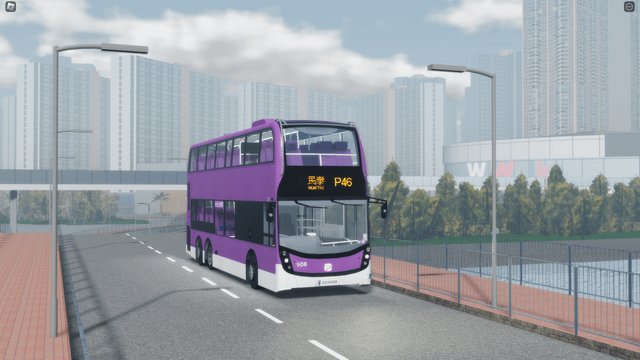
Roblox public transportation planning involves creating efficient systems for moving players, such as buses, trains, and trams, using in-game tools and scripting.
Ever dreamed of building a bustling city within Roblox? A key aspect of a thriving virtual metropolis is an effective system for moving its citizens. This is where Roblox public transportation planning becomes vital. A well-planned network can enhance the experience for your players.
Consider how players move from one point to another in your game. Poor planning leads to chaos, which impacts gameplay. By implementing thoughtful transport solutions, you create a more immersive and enjoyable environment.

Roblox Public Transportation Planning: Building Virtual Transit Systems
Have you ever played a Roblox game and thought, “Wow, it would be so much cooler if there was a proper bus system here?” Or maybe you’ve imagined creating a massive train network to connect all the different parts of your virtual world. Well, you’re not alone! Planning public transportation in Roblox is a fun and rewarding challenge for many players. It’s not just about building cool-looking buses and trains, though. It’s about understanding how to design a system that actually helps people get around effectively. Let’s dive into the world of Roblox public transportation planning and see how you can create your very own virtual transit empire!
Why Plan Public Transportation in Roblox?
Before we get into the how-to, let’s talk about the “why.” Why bother with buses and trains in a game that’s already full of fun activities? There are several good reasons:
Enhancing Gameplay Experience
Public transportation can make your Roblox games feel much more alive and realistic. Instead of just teleporting from place to place, players can experience a journey. This adds a layer of immersion that makes the game more engaging. Imagine, for instance, a role-playing game set in a city. Having a bus system allows players to commute to work, visit different neighborhoods, and feel like they’re part of a real community. Without it, everything feels a bit disjointed.
Improving Accessibility
Think about players who might not be great at running around or using vehicles. Public transportation provides a more accessible way for everyone to navigate your game. A well-planned bus route or a simple train line can let players of all abilities explore the world without getting tired or lost. This inclusive design makes your game more enjoyable for a wider audience.
Adding a Layer of Challenge for Creators
For game developers, planning a transport network provides a creative challenge. It is an exercise in problem-solving. It requires thinking about traffic flow, passenger load, and efficiency. It’s a fantastic way to boost your game design skills and add complexity to your game without relying on traditional gameplay mechanics. It’s not simply about placing down some train tracks; it’s about building a system that makes sense and works well.
Boosting Game Uniqueness
Public transport can set your game apart from others. While many games rely on simple teleportation or personal vehicles, a detailed public transit system is unique and shows that you’ve put in the extra effort. Players will recognize the difference, and this can be the factor that makes them choose your game over another.
Basic Principles of Public Transportation Planning
Okay, so you’re convinced that public transit is a great idea. Where do you start? Here are some basic principles that are important to understand:
Understanding Demand and Routes
Before building anything, you need to understand where people need to go. This is crucial for planning routes that make sense. Imagine your game has a shopping center on one side and a school on the other side. Naturally, a bus route connecting them would be useful. If your game features many houses near the park, you’d want to connect them to other important places in your game.
- Identify key locations: Where do players need to travel often?
- Analyze movement patterns: Where are people spending most of their time?
- Connect the dots: Design routes that link these key locations.
Consider the volume of users, how often they travel, and how that can help to decide on route frequency and capacity of your transportation system.
Choosing the Right Type of Transportation
Roblox offers a variety of options for transit, and each has its pros and cons. Let’s take a look at some of the popular choices:
Buses
Buses are versatile and can travel on roads easily, but they can get stuck in traffic if the roads aren’t well-designed. They are a good starting point for a basic transport system, can cover a wide area, and are relatively easy to implement.
- Pros: Flexible, good for covering wide areas, easy to set up.
- Cons: Can be slow in traffic, need a defined road network.
- Best for: Cities, areas with multiple destinations close to road networks.
Trains
Trains are faster and can carry many people, but require a dedicated track system. Trains work well for connecting distant areas with a high volume of travelers.
- Pros: High capacity, fast travel between set stops.
- Cons: Require dedicated tracks, expensive to build.
- Best for: Linking distant areas, major cities, high-traffic routes.
Trams and Light Rail
Trams, or light rail, fall between buses and trains, using tracks but often existing within roads. They are a good middle ground between capacity and flexibility. Ideal for moderate density areas and busy city locations. They provide a convenient way of navigating congested urban areas.
- Pros: Medium capacity, faster than buses, can use existing roads.
- Cons: Require tracks, not as fast as trains.
- Best for: Moderate-density areas, busy city centers, areas needing more than buses, but not requiring full train capacity.
Monorails
Monorails add a futuristic touch to your world, often running above existing roads or landscapes. They offer unique travel experiences and are useful in crowded places to avoid street traffic. They are an exciting option for players, adding a unique transportation method to the game.
- Pros: Unique experience, avoid ground traffic.
- Cons: Need a dedicated track system, can be more complex to create.
- Best for: Adding visual appeal, overcoming obstacles, crowded areas.
Subways/Underground Trains
Subways help with moving quickly through crowded areas. They do not block street-level travel, and are good for dense urban areas, helping players to move rapidly between different neighborhoods without the obstruction from surface-level traffic. Good for a more realistic city simulation.
- Pros: Move high volumes of people quickly, helps to avoid traffic at street level.
- Cons: Requires complex building, not good for surface gameplay, can be costly.
- Best for: Crowded, dense urban environments, simulating a realistic city.
Planning Station Locations
Stations are critical parts of a good public transit network. It’s not enough to simply place them down anywhere. You must think strategically where they would be most useful for the players.
- Near popular places: Make sure there’s a station near shopping centers, schools, work places, parks and other common destinations.
- Good spacing: Stations should not be too far apart, but also not so close that they’re inefficient. A good spacing ensures that players can easily reach the system from various points.
- Transfer points: Plan for locations where multiple lines or routes converge. This can make the system more efficient. These allow players to transfer to different routes easily, encouraging the use of the system.
- Accessibility: Ensure stations are accessible and easy to use for players, with well-placed entrances, ramps, and signs.
Setting Fares and Schedules
Public transit isn’t just about building; you must think about how players will use and pay for it. Here’s what to consider:
Fares
You can decide if your system is free or if players have to pay. If there are fees, consider the cost and what it would mean to the players. A free system encourages use, while a cost system adds a level of economy to the game.
- Free system: Encourages use, good for games focusing on exploration.
- Paid system: Adds depth, may need an in-game economy system to be effective.
Schedules
A realistic schedule can make your system more engaging, but it’s not always needed. A system without a schedule can be simpler for players but a well-designed schedule can increase realism and the player immersion.
- Realistic schedules: Increases immersion, but may require more setup.
- Simple schedules: Easier to implement, good for basic transportation.
Testing and Iteration
Like any system, it’s crucial to test your transportation to see if it works as planned. Here’s how to improve:
- Playtest: Use your own system, or get others to try it out and watch how they move through the game.
- Gather Feedback: Ask other players what they think. Is it easy to use? Does it reach where they want to go?
- Improve it: Use feedback to modify routes, station locations, and schedules. The best systems are always changing based on how players use them.
Advanced Roblox Public Transportation Techniques
Once you’ve got the basics down, you can start exploring more advanced techniques to make your transportation system truly special. Here are some tips:
Automated Vehicles
Scripting can allow buses and trains to move on their own, without a driver. This is an ideal way to automate your system, making it run more efficiently and helping with the flow of people within your game. Players can simply hop on and off and watch the system run.
- Use scripts: Roblox Lua is used for creating automatic vehicles with set routes.
- Simple controls: Ensure players can easily interact with and enter and exit vehicles.
Dynamic Signage
Include signs in the game that show where the bus or train is headed. Real-time information adds a sense of realism and helps players navigate the system better. Dynamic signage can also include real-time schedules, improving the usefulness of the system.
- Route information: Display the line names or final destinations for players to find the right transport.
- Real-time info: Show arrival times so players know when the next one is coming.
Integration with In-Game Economy
If your game features an economy system, public transportation can play a role in it. Players might need to buy tickets, or they may earn money as virtual drivers. These systems add a whole new level of depth to your game.
- Ticketing systems: Create systems where players buy tickets to use the transit.
- Driver roles: Let players drive buses and trains for a virtual in-game wage.
Advanced Route Planning
Rather than just basic routes, use more intricate designs that include loops, express options, and branching routes. This can give players different ways to move around and reduce congestion and increase efficiency. The routes can be dynamic, changing depending on the time of day, or current user patterns.
- Loop routes: Create routes that come full circle for ease of use.
- Express lines: Offer faster options with fewer stops for quick travel between key locations.
- Branching lines: Allow different routes to split off, and cover multiple areas.
Visual Appeal
Don’t forget about aesthetics! A transport system that looks good will make the game much more enjoyable. You must think about details such as:
- Custom Vehicles: Build vehicles with unique styles to fit your game’s overall feel.
- Detailed Stations: Design attractive and practical stations that fit into the world.
- Landscaping: Put trees, plants, or other details along the routes and stations.
Safety Measures
Consider adding safety features like crossings, warnings, and appropriate pedestrian areas. This can make the virtual space feel safer and more realistic, while protecting players from the hazards in the virtual space, especially in shared transit areas. For example, include warning signals at crossing points to avoid any collisions.
- Pedestrian crossings: Ensure safe areas for people to cross transit paths.
- Warning signals: Use lights or sounds to warn players of vehicles.
- Guardrails: Put up guardrails to keep players off the tracks or in safe areas.
Real-World Inspiration
Looking at real-world transit systems for ideas is a fantastic approach. Take inspiration from the designs of real world buses, trams, trains, monorails, and stations. This can help make your virtual system more functional and visually appealing, by taking ideas from real world locations. Here’s how:
- Study real maps: Look at city subway and bus maps for route ideas.
- Visit transit stations: Look at the design and function of train stations, bus terminals, and stops.
- Research vehicle styles: Learn about different vehicles and integrate their style into your game.
Tools and Resources
Creating a public transportation system in Roblox doesn’t require any special or complicated programs, since all the tools are within the Roblox game creation system. Here are a few resources to help you out:
- Roblox Studio: The main game development tool for creating all the different aspects of your transport system, from maps, buildings, tracks, and the vehicles.
- Roblox Library: Access pre-made models, scripts, and assets to speed up your build process. You can find ready made vehicle models and pre-built station models here.
- Roblox Developer Hub: A fantastic place to learn more about scripting and other development techniques, and for asking questions from the Roblox community.
By combining creative design with good planning, it will be possible to create a useful and fun virtual transit system in Roblox games. It’s not simply about placing down some tracks; it’s about creating a functional and engaging system that makes the game more interesting.
Roblox Studio Developing Tips Part 3 – Roads
Final Thoughts
Effective Roblox public transportation planning involves careful route design and station placement. Players should consider passenger flow and connectivity when building systems. Prioritizing accessibility also benefits the entire user base.
Ultimately, thoughtful Roblox public transportation planning improves gameplay and server interaction. This planning creates enjoyable experiences for everyone on your virtual map. Good design encourages more exploration.

