
User engagement in Roblox design increases when experiences are intuitive, offer clear goals, and incorporate player feedback.
Ever wonder why some Roblox games keep you hooked for hours while others are quickly forgotten? The secret often lies within effective design practices that foster active participation. Exploring the intricacies of roblox user engagement in design reveals how developers can create more compelling and enjoyable virtual worlds.
We’ll delve into key areas that impact a player’s connection with your experience. From initial onboarding to long term progression, understanding these elements is crucial for success. This article will provide helpful insights for creating engaging Roblox experiences.

Roblox User Engagement in Design
Have you ever played a Roblox game and just couldn’t stop? It’s like magic, right? Well, that magic often comes from smart design choices that keep us hooked. Creating engaging experiences in Roblox is more than just building cool stuff; it’s about understanding what makes players want to play your game over and over again. This section will dive deep into how developers can build captivating Roblox worlds by focusing on the user and their experience.
Understanding Your Roblox Audience
Before you start building, you need to know who you’re building for. Are you targeting younger players who like bright colors and simple gameplay, or older ones looking for a challenge and more complex stories? Understanding your audience is the first step towards creating a game they’ll love.
Demographics Matter
Roblox has a wide range of players, from little kids to teenagers. Knowing the age groups you’re targeting will directly impact the kind of game you make. For younger players, think about:
- Easy-to-understand instructions
- Bright, vibrant colors
- Simple gameplay mechanics
- Fun characters and settings
For older players, you can include:
- More complex mechanics
- Challenging puzzles and quests
- Engaging storylines
- More realistic graphics (if your game style allows)
Player Motivations
Players join Roblox for different reasons. Some enjoy making new friends. Others love the creative freedom. Still others might play for the competition. Here are some of the common motivations to consider when making your game:
- Social Interaction: Players want to connect with others, play as a group, and make friends. Think about how your game encourages cooperation and teamwork.
- Creative Expression: Many players want a place to express themselves through avatars, builds, or unique items they can collect. Give players opportunities to customize and personalize their in-game appearance and experiences.
- Achievement: Some players are motivated by progress, earning rewards, and unlocking new levels. Create a clear path of progress in your game.
- Exploration: Players enjoy wandering around and finding hidden secrets. Design interesting maps to keep players busy exploring.
- Relaxation: Some players want a chill experience to unwind. Create a calm setting and gentle gameplay if you’re aiming for this type of player.
Core Game Design Principles for Engagement
With your audience in mind, let’s talk about how to put the key design principles in motion. These will help turn your game idea into an engaging experience.
Clear Goals and Objectives
Players need to understand what they are supposed to do. If players don’t know what to do or what they’re working towards, they’re likely to give up quickly. Use clear prompts and indicators. For instance, if you want players to find a specific item, use arrows and clues to guide them. Think of it like giving a kid a treasure map – they need to know where “X” is!
Intuitive User Interface (UI)
A user interface is like the control panel for your game. It should be easy to understand and use. Don’t make players spend time trying to figure out how to equip an item. The interface should make the game easier, not harder to play. Here’s what to keep in mind when designing your UI:
- Clean and simple design: Avoid clutter and excessive buttons or text.
- Clear labels: All buttons and options should be clearly labeled.
- Easy navigation: Players should move through menus easily.
- Consistent style: The UI style should match your game’s overall theme.
Engaging Gameplay Loops
A gameplay loop is the pattern of actions players repeat. It’s like the rhythm of your game. Here’s a look at different gameplay loops:
Simple Loop Example
The player enters the game → They explore the map and find a task → The player completes the task and gets rewards → They use the rewards to get more powerful → They start another round of exploration with improved abilities.
More Complex Loop Example
The player enters the game → The player chooses a character class and takes on a quest → The player battles enemies and collects resources → The player returns to town, upgrades their character and crafts items → Player uses upgraded character to take on more difficult quests.
A good loop makes playing feel rewarding, and keeps players coming back. Make sure your loop is fun, not tedious. Keep it varied so players don’t get bored.
Positive Feedback and Rewards
Who doesn’t love to feel like they’re doing a good job? Positive feedback in games keeps players motivated. When players do something well, use visual effects, sound, and rewards to reinforce their actions. For example:
- When a player gains experience, a special effect could appear with a unique sound.
- Display a message when they complete a quest.
- Use in-game currency for completing tasks.
- Add special items to the game that they can collect.
Regular rewards keep the player playing and makes the game feel worth their time.
Challenging, But Not Frustrating
Games should be challenging enough to keep players engaged, but not so hard that they want to quit. Finding the sweet spot can take some trial and error. Here are some ideas:
- Gradually increase difficulty as players progress
- Offer a choice between easy, medium and hard modes.
- Provide clear instructions for tough spots.
- Incorporate hints and tips.
Utilizing Roblox Features for Engagement
Roblox provides many tools that creators can use to boost engagement in their games.
Avatars and Customization
Players want to express themselves through their avatars. Give them options to customize the look, clothes, and accessories. Having lots of customization options is a big pull for players.
Ideas for Avatar Customization
- Offer a variety of skin tones, hair styles and face options.
- Include different kinds of clothing and accessories.
- Provide ways to unlock limited edition items.
- Allow players to show off their creative style.
Social Features
Roblox is a great place for players to connect and make friends. Try to include features that encourage social interaction.
Types of Social Features
- Chat: Enable players to communicate with each other in real-time.
- Parties: Let players form groups and play together.
- Leaderboards: Introduce a friendly competition.
- Trading Systems: Allow players to exchange virtual items.
Interactive Environments
Make your game world more than just pretty scenery. Allow players to interact with it.
Ideas for Interactive Environments
- Add objects that players can move, pick up, and use.
- Include puzzles that require players to think and interact with the environment.
- Create hidden areas that encourage players to explore.
- Add dynamic elements that change as players interact with them.
Regular Updates and Events
Keep your game fresh and interesting by releasing new content on a regular basis. This also keeps players interested in your game for a longer time.
Things to add in Updates
- Add new levels, challenges, or maps.
- Introduce new items, characters, or features.
- Host special in-game events (like seasonal holidays).
- Get feedback from players and fix problems.
The Importance of Playtesting
Even the best ideas need to be tested out before going live. Playing and watching others play your game will help you discover things you didn’t see before.
Early Feedback
Don’t wait to playtest. Show your work to your friends or other players as soon as possible. They might give you awesome feedback that helps you make it even better.
Watching Players Play
Observe players while they play your game. See where they struggle and what they enjoy. This will give you important clues that helps to optimize your game for engagement.
Iterate and Improve
Use the feedback you get to make changes. Don’t be afraid to rework and polish. Continuous improvement is key to a successful game.
Measuring Engagement
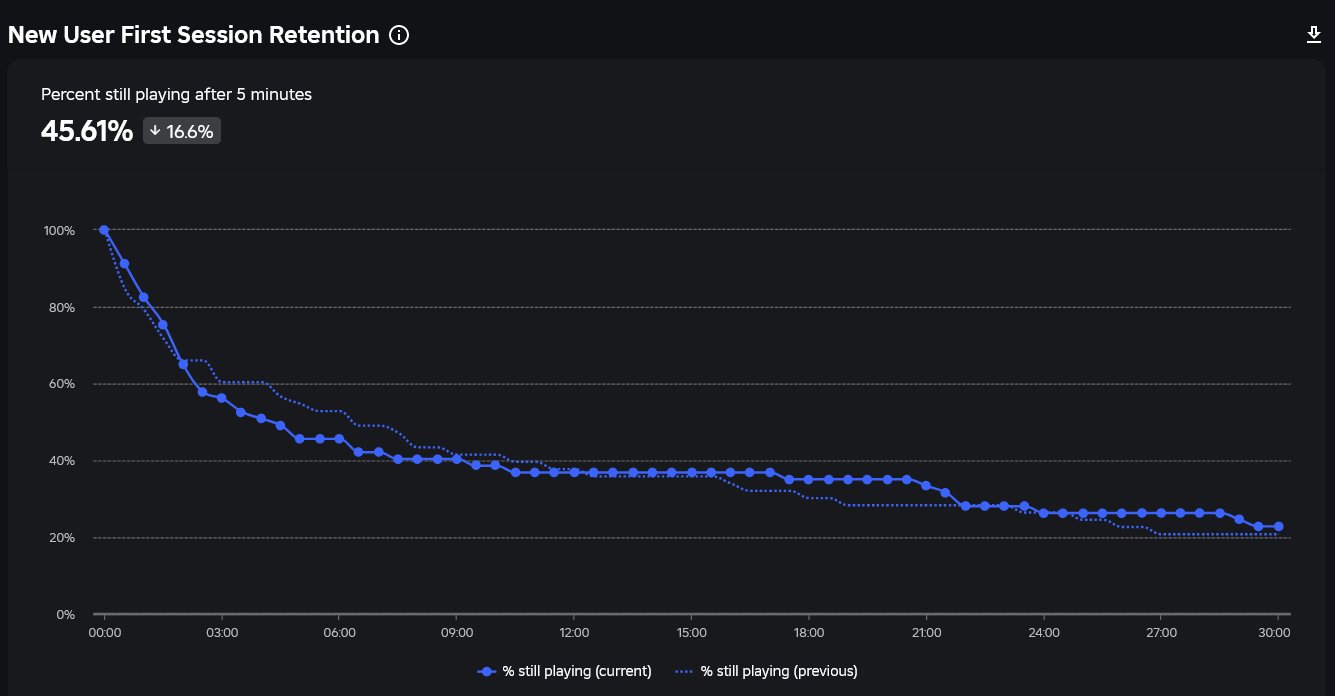
It’s important to understand if your efforts are working. Track key metrics to see if players are enjoying your game.
Key Metrics to Track
- Playtime: How long do players spend in your game on average?
- Player Retention: How many players return to play again?
- Player Activity: What are players doing while they play?
- Game Completion Rate: How many players finish your game or major milestones?
Analyze and Adjust
Use the data you collect to understand what works and what doesn’t. Don’t be afraid to change what doesn’t work and implement new features based on your data.
Examples of Engaging Roblox Games
Let’s look at some real-world examples of games that use these principles to create strong engagement.
Example 1: Adopt Me!
Adopt Me! is a massively popular role-playing game where players can adopt and care for pets. Its engagement comes from:
- Social interaction through trading pets and playing with friends.
- Constant updates with new pets, items, and events.
- Strong customization options for both avatars and pets.
Example 2: Bloxburg
Bloxburg is a life-simulation game that lets players build their own houses and live out their virtual lives. Its engagement comes from:
- Creative freedom in building houses and other structures.
- Opportunities to role-play different scenarios with other players.
- A continuous cycle of building, decorating, and working.
Example 3: Piggy
Piggy is a horror game with a unique twist on the classic “escape the monster” gameplay. It keeps players engaged by:
- Tension and suspenseful gameplay.
- A storyline that slowly unfolds over time.
- Regular updates with new chapters and challenges.
These are a few examples of how great design leads to amazing user engagement in Roblox. When you make your own game, try to incorporate these kinds of elements.
By focusing on your audience, designing with clear goals, utilizing Roblox’s features, and consistently testing and improving your work, you can create a Roblox game that players will love and come back to time and again. Remember, it’s not just about building a game—it’s about building an experience that players want to be a part of.
How can I improve my Engagement? Roblox Sketch Series
Final Thoughts
User involvement significantly shapes successful Roblox experiences. Players actively contribute to game evolution through feedback, which helps refine gameplay. This collaborative process builds stronger community bonds.
Understanding player preferences directly impacts design choices, improving the overall gaming experience. Therefore, emphasizing roblox user engagement in design is vital for creators. User participation ensures more engaging and relevant content.

