
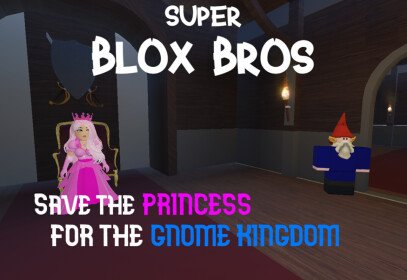
Roblox user satisfaction in design hinges on intuitive interfaces, engaging aesthetics, and smooth performance, ultimately creating enjoyable experiences.
Ever wondered what truly makes a Roblox game sticky? It’s not just about the concept, but how well that concept is presented. The key lies directly in Roblox user satisfaction in design. Users respond best to experiences that feel polished and easy to navigate.
A poorly designed interface can quickly frustrate players, driving them away. Conversely, clever visual design that is engaging can keep them coming back for more. Therefore, focusing on both functionality and aesthetics makes a real impact.

Roblox User Satisfaction in Design
Ever wondered what makes a Roblox game truly awesome? It’s not just about having cool powers or fighting bad guys. A big part of it is how the game looks and feels – the design! When players love the design, they’re more likely to have fun, stick around, and even tell their friends. That’s what we call user satisfaction! Let’s dive deep into what makes a design great and how it impacts Roblox players.
What Makes a Roblox Design Satisfying?
Think about your favorite Roblox games. What makes you want to play them again and again? It often boils down to design elements that are pleasing to the eye and easy to use. Here are some key things that contribute to user satisfaction:
Clear and Intuitive User Interface (UI)
Imagine trying to play a game where you don’t know where to click or what to do next. Frustrating, right? A good UI is like a map that guides you through the game. Buttons should be easy to find, menus should be organized, and important information should be displayed clearly. Here are examples of what make a good UI:
- Easy-to-Read Text: Fonts should be large enough and clear enough to read quickly.
- Logical Layout: Menus and buttons need to be placed where players expect to find them.
- Clear Icons: Images representing items or actions should be easily understood.
- Feedback: When a player clicks a button, the game should show that something happened, like a button changing color or a sound effect.
A poorly designed UI leads to confusion and a bad gaming experience. A well-designed one enhances gameplay, making it smooth and enjoyable. This leads to happier players!
Visually Appealing Graphics
Roblox is a creative platform, and visuals are a big part of that! The graphics don’t have to be super-realistic, but they should be consistent and pleasing to the eye. Here are key aspects of good graphics in Roblox:
- Consistent Style: All elements, like characters, buildings, and props, should look like they belong in the same game. A mix of super-realistic and cartoonish styles in the same game might look strange and confusing.
- Appropriate Color Palettes: Colors should work well together and create the mood or feeling the game is trying to achieve. A dark and scary game might use darker colors, while a fun and playful game might use brighter ones.
- Well-Made Models: The 3D objects need to be constructed well, without too many jagged edges or parts that don’t fit together.
- Lighting and Effects: Good use of lighting and special effects can make a game more immersive and engaging. Things like shadows, sun flares, and particle effects add depth and make the game more visually interesting.
Imagine a game with all the colors clashing together and models looking strange. It would be hard to enjoy even if the gameplay was good. Good graphics increase the perceived quality of the game and make it more fun to play.
Engaging and Consistent World Design
The world the game is set in is very important! It needs to be interesting and make sense with the gameplay. Here’s what to think about when designing a game’s world:
- Logical Layout: Areas should connect in ways that make sense, so players don’t get lost or confused. For example, a town should have streets that link to other areas.
- Interactive Elements: Places in the world should encourage exploration. Hidden areas, interactive objects, and mini-games within the game world add a lot to the experience.
- Storytelling Through Environment: The world can tell its own story with details like posters, graffiti, and broken items. This makes the game feel more alive and immersive.
- Unique Places: Different locations within the game should look and feel different from each other. This makes the game world more interesting and keeps the player engaged.
A boring or illogical world can make a game feel flat. A well-designed world makes players want to explore every corner of it and makes the game more fun to play. If players love the world, they’ll keep coming back!
Smooth and Responsive Controls
Imagine playing a game where your character moves very slowly, or where the buttons don’t respond when you press them. That would be so annoying! Smooth controls are vital for a good player experience. Here’s why:
- Quick Response Time: The game should respond right away when players press buttons or move their mouse or joystick.
- Customizable Controls: Letting players choose their own control schemes can improve play experience for many.
- Easy Movement: The controls need to make movement feel natural and easy.
- Clear Instructions: The game needs to tell players how to do things, and what the controls are.
If the game doesn’t respond correctly, players get frustrated, and they stop having fun. Easy to use controls make the game easy to enjoy.
The Impact of Design on Player Engagement
Great design does more than just make a game look nice; it influences how players engage with the game. Let’s explore how:
Increased Playtime
When a game is easy to understand, looks good, and is fun to play, people want to play it for longer periods of time. A game that feels enjoyable and looks nice makes time fly by. They’re more likely to stay engaged with the game because it’s satisfying.
Positive Reviews and Recommendations
Satisfied players are more likely to tell their friends about a game and write good reviews. These positive comments and word-of-mouth recommendations bring more players to the game, which is very important for game popularity. Great design can lead to a game becoming very well-known.
Repeat Visits
If players enjoy the game’s design, they are much more likely to return and play it again. A well-designed game feels inviting and provides a reason for players to come back. The good design creates loyalty, which is important for the game’s success.
Monetization Potential
When players love a game, they might be more likely to spend money on in-game items or upgrades. A satisfying game can be more profitable, allowing developers to continue working on the game and making it even better. This shows good design can even lead to a better game for players overall.
How Roblox Creators Can Improve User Satisfaction Through Design
If you’re a Roblox creator, how can you make your game better? Here are a few things to keep in mind:
User Testing and Feedback
Before launching your game, have other players test it and give feedback. This helps you understand what’s working well and what needs to be improved. Feedback from players is very useful because they’re the ones who will be playing the game. Ask specific questions like: What did you like or dislike? Was it easy to use? And get ready to learn from their answers.
Looking at Popular Games
Pay attention to Roblox games that are already popular. What are they doing well? You don’t want to copy, but you can learn a lot from seeing what players like. Maybe a popular game uses bright, clear icons, or has very simple, smooth controls. Look at what makes other successful games good and try to apply them to your game in your own unique way.
Iterative Design
Don’t expect to get the design perfect on the first try. Design is an iterative process, which means you work on it a little at a time, and always make improvements. Start with a basic design, then gather feedback, make changes, and test it again. Keep making changes until you get a design that players enjoy. This process makes your game better and better.
Prioritize Player Experience
Always think about what’s best for the player. Make sure your game is easy to use, looks nice, and feels fun. Think about how the player will interact with your game. If you focus on making it a good experience, they will keep coming back to play. The goal is that players have fun and are happy playing your game.
Keep it Simple
Sometimes, simple is better. Don’t add too many complex elements at once. Start with a clean, easy-to-understand design and add more features slowly. If the game is too complex, it can confuse players. Simpler is easier to learn, which is more enjoyable for new players.
Specific Design Elements and Their Impact
Let’s dive a bit deeper into some specific design elements and how they can influence the player’s experience.
The Role of Color
Color is super powerful! It can make players feel excited, calm, scared, or happy. Using colors that match the game’s mood and style is important. Bright colors can make a game feel playful, while dark colors can make a game feel mysterious or scary. A good color palette makes the game look attractive and helps make the right mood for players.
Sound Design
Sound is just as important as what you see! Sound effects can make actions feel more real, while music can build a game’s atmosphere. The right sound can make jumping feel great and make the environment feel alive, while the wrong sound can be distracting and annoying. Good sound makes a great player experience.
Animation
How things move in the game can impact how it feels to play. Smooth animations make the game look good, while choppy animations can be distracting and make the game feel unprofessional. Having smooth animations can make your game feel more polished and improve the player experience.
User Tutorials and Onboarding
When new players start a game, they might not know what to do. Clear instructions and tutorials help guide players when they first start. A good tutorial makes players feel confident about how to play and makes them more likely to keep playing.
Examples of Good and Bad Design Choices
Let’s look at some examples to really understand what great design looks like!
Good Design Examples
- Clear and Concise UI: Games with simple, uncluttered menus that are easy to navigate.
- Themed Graphics: Games that use a consistent art style to create an immersive world.
- Responsive Controls: Games where character movement is smooth and precise.
- Engaging Soundtracks: Games that use music and sound effects to match the environment and gameplay.
Bad Design Examples
- Confusing UI: Games where the menus are difficult to understand and navigate.
- Inconsistent Graphics: Games where the art styles don’t match and make the world look strange.
- Laggy Controls: Games where actions are delayed and the character is hard to control.
- Poor Sound Effects: Games with annoying sounds or music that doesn’t fit the environment.
Seeing both good and bad examples really helps in understanding the importance of the little things when making a game.
In the end, a focus on good design brings happier players, which makes for a more successful game and community. So put effort into your Roblox game’s design. It’s worth it!
bro tried roblox studio🤯☠️ #shorts #fyp
Final Thoughts
Ultimately, thoughtful design directly influences roblox user satisfaction in design. Prioritizing intuitive interfaces and enjoyable aesthetics significantly boosts user engagement. Players appreciate clear visual cues and easy navigation in their virtual experiences.
A well-designed game promotes positive emotions and repeat visits. Conversely, poor design can easily lead to frustration and user attrition. Therefore, developers should always consider user feedback to improve overall gameplay experience.

