
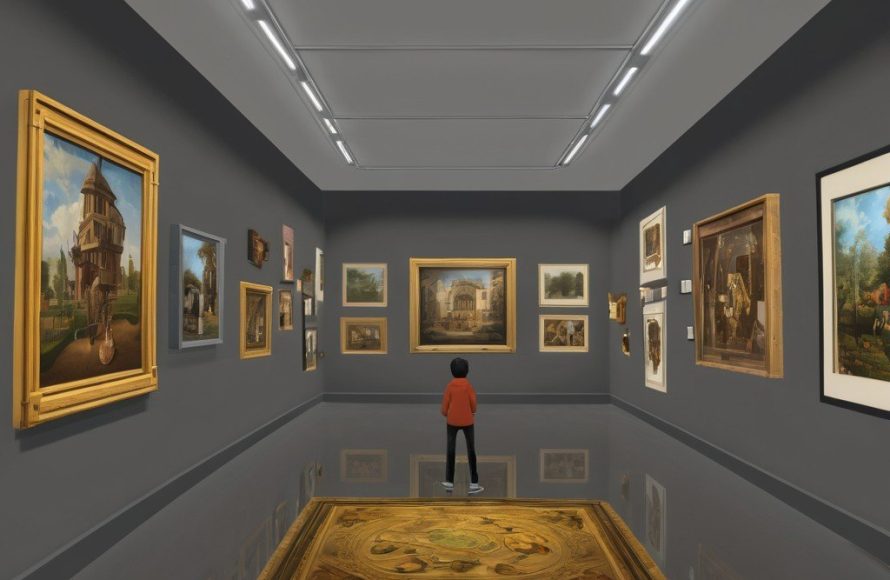
Roblox virtual museum design involves crafting interactive spaces within the Roblox platform to showcase exhibits, artifacts, or educational content using 3D modeling, scripting, and user interface elements.
Imagine exploring a dinosaur exhibit or ancient artifacts without leaving your home! That’s the power of Roblox virtual museum design. It allows creators to build fascinating, accessible educational environments within the popular gaming platform.
These digital museums use game mechanics, 3D modeling, and scripting to engage visitors with unique learning experiences. This is more than just static displays; it’s an interactive journey through knowledge.

Roblox Virtual Museum Design: Creating Immersive Educational Experiences
Have you ever walked through a real museum, looking at amazing artifacts and learning about history or art? Now, imagine doing that inside a Roblox game! That’s what we’re talking about today: designing virtual museums in Roblox. It’s like building a museum with digital LEGOs, and it’s super fun and educational. Let’s explore how to build great virtual museums that kids (and adults!) will love to visit.
Why Build a Virtual Museum in Roblox?
Roblox is more than just a game; it’s a platform where people can create and share their own worlds. This makes it perfect for creating interactive and engaging learning experiences like virtual museums. Here’s why building a museum in Roblox is a fantastic idea:
Accessibility for Everyone
Unlike real-world museums, Roblox museums are accessible to anyone with an internet connection and a device that can run Roblox. This means kids from all over the world can visit and learn, no matter where they live or what their physical situation is. This is a huge plus for making learning inclusive and available to all.
Interactive Learning
Roblox allows you to go beyond just looking at exhibits. Players can interact with the environment, manipulate objects, and even take part in mini-games related to the exhibits. This makes learning much more active and memorable. Instead of just reading about a dinosaur, you might get to piece together its skeleton yourself! It helps kids understand the museum information easily because they are actively involved in it.
Creative Freedom
You have almost unlimited freedom when designing a virtual museum. You can recreate real historical places or build fantastical structures that could only exist in a digital world. This freedom allows you to use creativity and imagination to make the museum unique and exciting. You can design the building as you like. You are not restricted like the real world.
Cost-Effective Educational Tool
Building a virtual museum in Roblox is much cheaper than building a real one. You don’t need to buy expensive land, materials, or hire a large staff. It makes it a very practical way to create educational tools. And the best part is that you can continuously update and improve your museum at any time.
Planning Your Roblox Museum
Before you jump into building, it’s important to plan your museum. Think about what kind of museum you want to create and what you want people to learn.
Choosing a Theme
What topic are you passionate about? Do you love dinosaurs, outer space, ancient civilizations, or art? Pick a topic that excites you, because if you are interested, you will create a much more interesting and engaging experience for the visitors.
- History Museum: Explore different time periods, cultures, or historical events.
- Art Museum: Display virtual paintings, sculptures, or digital art.
- Science Museum: Showcase scientific discoveries, space exploration, or the natural world.
- Fantasy Museum: Design a place with mythical creatures, magical objects, or stories from your imagination.
Defining Learning Objectives
What do you want your visitors to learn? Clearly define your learning objectives. For example, in a dinosaur museum, you might want visitors to understand different dinosaur types and the period they lived in, or what they ate. This will help you design exhibits that teach effectively. It is not just about the show of the items. The most important thing is that the visitors can learn something.
Sketching Your Layout
Before you build in Roblox, sketch out the layout of your museum on paper or digitally. This will help you organize your exhibits logically. Think about the flow of visitors, creating a path that will lead them from one exhibit to another naturally. Plan for different areas like the lobby, main exhibit halls, gift shop, and if needed, even a cafe.
Key Elements of Great Roblox Museum Design
Now let’s dive into the specific elements that make a Roblox virtual museum stand out. Remember, we are creating an engaging and educational experience for visitors.
Engaging and Attractive Design
The museum should be visually appealing. Use a color scheme that fits your theme, and make sure the layout is easy to navigate. Don’t make it too crowded or too empty. A balance of spaces makes the visitors comfortable. Think about the lighting, the texture of the walls and floors, and how it will all come together to create the perfect museum atmosphere.
- Color Palette: Choose colors that fit the museum’s theme. For example, earthy tones for a history museum and vibrant colors for an art museum.
- Architecture: Think about the building’s design. Does it look modern or ancient? Is it simple or complex?
- Lighting: Use lighting to highlight important exhibits and create a specific mood. Soft light for an art museum and brighter light for a science museum.
Clear and Informative Exhibits
Each exhibit should be clearly labeled and include detailed information about the item on display. Don’t just show something; explain what it is, why it’s important, and what people can learn from it. Use text, images, and even audio to convey information in an engaging way.
Text and Labels
Use clear and easy-to-read text to explain your exhibits. Use different font sizes for headings and body text. Keep the text concise and simple so kids can easily understand the information. Make sure to place labels near the relevant objects.
Images and Graphics
Add images or graphics to make exhibits more visually appealing. For example, if you have a dinosaur skeleton on display, you could also include an image of what the dinosaur looked like when it was alive. Use quality images and graphics to make the learning experience enjoyable.
Audio and Narration
Consider adding audio guides or narrations to explain exhibits. These can be super helpful for people who prefer listening to reading. You can use voice recordings to tell stories or provide information about the artifacts. Make sure the audio is clear and the volume is suitable.
Interactive Elements and Mini-Games
Interactive exhibits make learning fun and memorable. Here are some ideas to enhance your museum visit.
- Clickable Objects: Allow visitors to click on objects to get more information or even trigger animations.
- Quizzes and Puzzles: Create mini-games or quizzes related to the exhibits. If a visitor learns something, make sure to offer them a way to test themselves with the knowledge they gained.
- Virtual Reconstruction: Recreate scenes from the past or scientific processes as interactive models.
- Collecting Items: Create quests for visitors to find hidden items and unlock rewards.
Navigation and Wayfinding
Make your museum easy to navigate. Visitors should know where they are and where they need to go to see the exhibit. Clear signs, maps, and a logical layout all contribute to a good visitor experience.
- Signage: Place signs to direct visitors to different exhibits and areas.
- Maps: Provide a map of the museum near the entrance and in key locations so that visitors can easily plan their route.
- Arrows: Use arrows or other visual cues on the floor to guide visitors.
Sound Design and Atmosphere
Sound can have a powerful effect on the overall feeling of a place. Add background music, ambient sounds, and sound effects to create a more immersive experience for visitors.
- Background Music: Choose music that fits the museum’s theme and creates the right mood. Calm, slow music for an art museum, and faster, more exciting music for a space museum.
- Ambient Sounds: Add ambient sounds like the sound of rain in a rainforest exhibit or the chatter of crowds in a historical setting.
- Sound Effects: Use sound effects to highlight specific actions, like clicking on a button or finding a hidden object.
Testing and Feedback
Before opening your museum to the public, it’s very important to test it. Get friends or other Roblox players to explore your museum and give you feedback. It’s important to know how they experience the museum before making it public. This will help you fix any problems and make the experience even better.
- Pilot Testing: Get a small group of people to play through your museum.
- Collect Feedback: Ask your testers for their opinions on the layout, exhibits, and overall experience.
- Make Changes: Use the feedback to fix any issues and improve the museum.
Specific Examples of Roblox Virtual Museums
Let’s see how some of these ideas could be applied in different museum settings:
A Dinosaur Museum
- Exhibits: Large dinosaur skeletons, interactive displays showing dinosaur habitats, fossil digging mini-games.
- Interactivity: Visitors can piece together dinosaur skeletons and learn about their diets and behaviours.
- Learning Objectives: To understand different dinosaur types, their habitat and when they lived.
An Art Museum
- Exhibits: Virtual paintings and sculptures. Users can create their own digital art.
- Interactivity: Visitors can view artworks, take a virtual tour and create their own digital art.
- Learning Objectives: To learn about different art styles, techniques and the history of art.
A Space Museum
- Exhibits: Models of rockets, interactive displays on the solar system, and a virtual planetarium.
- Interactivity: Visitors can go on virtual space missions or see planets from a virtual spaceship.
- Learning Objectives: To learn about space exploration, planets and our solar system.
A History Museum
- Exhibits: Recreations of historical events, artifacts, and clothing from different eras.
- Interactivity: Visitors can walk through historical scenarios and even roleplay different characters from the past.
- Learning Objectives: To understand historical events, cultural practices and daily life of people in the past.
Making Your Museum Stand Out
With so many experiences in Roblox, here are some tips to make your museum special and more engaging.
Unique Features
Try to include unique elements that make your museum stand out from the others. This can be a unique theme, a creative building design, or a unique interactive experience. Maybe you have a special gift shop where visitors can buy special items or create a unique cafe for them to take a break between exhibits.
Community Engagement
Encourage the visitors to interact with each other. You can set up discussion areas where people can share their views or create social events in your museum. Make your museum a place where people can learn from each other.
Regular Updates
Keep your museum fresh with new exhibits or changes to the museum. Add new items, mini-games, or change the decor of the museum so the players can experience something new. Regular updates make the visitors come back for more, and this way, they can explore and learn more each time.
Technical Tips for Roblox Studio
If you are new to Roblox Studio, here are some tips to help you get started building your museum.
- Learn the Basics: Spend some time learning how to use Roblox Studio. There are tons of tutorials and resources online. You should familiarize yourself with the tools and features before you dive deep into building.
- Use Models: Don’t be afraid to use free models to make it easier. You can change the models to create unique designs, and you can also customize them. This will save you time and give you more ideas.
- Organize Your Workspace: Keep your workspace organized. Use folders to categorize items and name items in a proper way. This will make it easy for you to make edits or updates.
- Test Often: Test your museum frequently as you build. Make sure all the features are working properly, and also, make sure the visitors’ overall experience is smooth.
Creating a virtual museum in Roblox is a very fun and rewarding experience. It combines creativity, education, and community building in one game. With careful planning and a bit of time, you can create a place where people will be able to learn and enjoy and experience something special. Now, get out there and start building your museum. The world is waiting to explore it!
MUSEUM OF MODERN ART & DESIGN!!! | Subscriber Tours (Roblox Bloxburg)
Final Thoughts
Effective Roblox virtual museum design requires careful planning of layout, exhibits, and interactivity. Creators should consider how players will navigate the space and engage with the content. Well-designed museum experiences within Roblox can foster learning and enjoyment.
Ultimately, a great design emphasizes clear pathways and fascinating displays, enhancing the educational goals. Remember these points when you are planning your next Roblox virtual museum design.

