
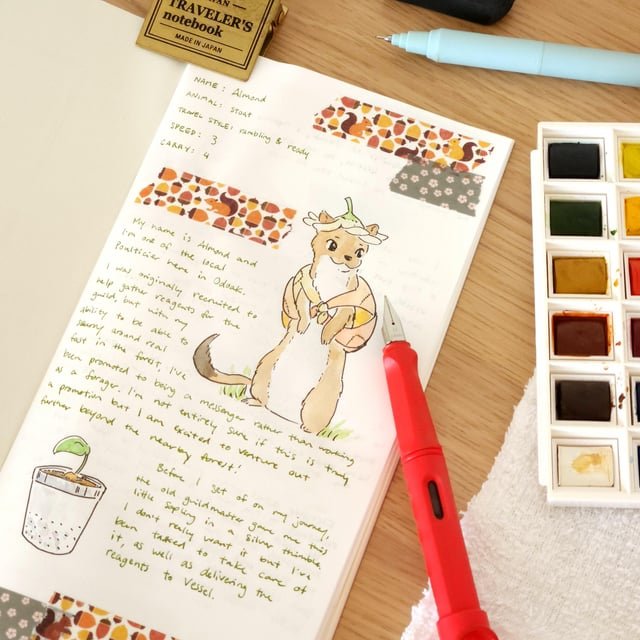
Solo RPG journaling games blend the structured storytelling of role-playing games with the introspective practice of journaling, providing a unique way to explore narratives and characters alone through written entries.
Here’s the response:
Ever wished you could embark on epic adventures without needing a group? Maybe you’re craving a personalized story that unfolds at your own pace. Solo RPG journaling games offer just that, blending the creative elements of role-playing with the reflective nature of journaling.
These games let you craft narratives, develop characters, and explore worlds, all while recording your journey in a personal journal. It’s a fantastic way to flex your imagination and engage in a deeply personal creative experience.

Solo RPG Journaling Games: A Deep Dive
Solo RPG journaling games are a unique and increasingly popular way to experience the magic of tabletop role-playing. They combine the narrative freedom of RPGs with the introspective nature of journaling.
This allows players to embark on epic adventures without needing a game master or other players.
What Makes a Game a “Solo RPG Journaling Game?”
It’s a blend of structured gameplay and freeform writing. You use prompts, rules, or oracles to guide your character’s actions and story.
Then, you record the events and your character’s thoughts in a journal.
Key Components of Solo RPG Journaling
Several core elements define this genre. These are the building blocks of a satisfying solitary RPG experience.
Random Prompts and Oracles
Random prompts are crucial. They introduce unexpected events and challenges that drive the narrative forward.
Oracles, such as yes/no questions or random tables, help resolve uncertainties and influence decisions.
Character Creation and Development
You typically create a character with specific skills and motivations. As you play, your character evolves through their experiences.
Journaling allows you to delve into their inner thoughts and feelings.
Worldbuilding and Lore
Some games have pre-defined settings. Others encourage you to build the world as you go.
Your journal becomes a record of the world’s history, geography, and inhabitants.
Structured Gameplay Mechanics
Many games include rules for combat, skill checks, and exploration. These mechanics provide structure and challenge.
They also ensure that the game doesn’t become pure stream-of-consciousness writing.
Benefits of Playing Solo RPG Journaling Games
There are numerous advantages to this style of play. It’s more than just a pastime; it’s a creative and therapeutic outlet.
Creative Expression and Storytelling
These games are an excellent way to express your creativity. You are the author of your character’s story.
You have complete control over the narrative direction.
Self-Reflection and Introspection
Journaling encourages self-reflection. You explore your character’s emotions and motivations, which can lead to personal insights.
It can be a surprisingly therapeutic process.
Flexibility and Convenience
You can play anytime, anywhere. There’s no need to coordinate schedules with other players.
All you need is a game, a journal, and a pen.
Improved Writing Skills
Regular journaling helps improve your writing skills. You’ll develop your ability to describe scenes, create compelling characters, and craft engaging narratives.
Practice makes perfect.
Popular Solo RPG Journaling Games
Several excellent games are available. Each offers a unique blend of mechanics and storytelling opportunities.
Ironsworn: Starforged
Ironsworn: Starforged takes the Ironsworn system into space. You explore a dangerous galaxy, make vows, and confront cosmic threats.
It features a robust oracle system and detailed worldbuilding prompts.
Thousand Year Old Vampire
Thousand Year Old Vampire is a unique game where you play as a vampire. You experience centuries of history, losing memories and gaining new ones as time passes.
The journaling aspect is central to the gameplay.
The Wretched
The Wretched is a minimalist solo game. You play the last survivor on a crashed starship, struggling to survive against an alien presence.
It uses a deck of cards to generate prompts and challenges.
Colostle
Colostle is a game about exploring a vast, living castle. You document your journey, discovering its secrets and encountering its strange inhabitants.
It’s a world ripe with exploration.
Apothecaria
Apothecaria is a gentle game about a village witch. You gather ingredients, brew potions, and help the local townsfolk.
The focus is on creating a cozy and comforting experience.
Choosing the Right Game for You
Consider your personal preferences and interests when selecting a game. Think about the genre, mechanics, and level of complexity.
Genre and Theme
Do you prefer fantasy, science fiction, horror, or something else? Choose a game with a theme that excites you.
A setting you enjoy is likely to keep you engaged.
Mechanics and Complexity
Some games have complex rules. Others are more streamlined and narrative-focused.
Pick a game with a level of complexity that suits your experience.
Journaling Style
Consider your preferred journaling style. Do you want detailed prompts or more freedom to write?
Some games encourage descriptive writing. Others focus on character thoughts and feelings.
Tips for Successful Solo RPG Journaling
To get the most out of your solo RPG journaling experience, keep these tips in mind. They can help you to remain engaged and enjoy the process.
Create a Dedicated Journaling Space
Designate a specific area for your journaling. This helps to create a sense of ritual and immersion.
It also allows you to mentally transition into the game world.
Be Consistent with Your Journaling
Try to journal regularly, even if it’s just for a few minutes each day. Consistency helps to maintain momentum and deepen your connection to the game.
It’s a habit that’s worth building.
Embrace the Unexpected
Don’t be afraid to let the story go in unexpected directions. Random prompts and oracle results can lead to exciting and unpredictable outcomes.
Surprises are part of the fun.
Don’t Be Afraid to Edit and Revise
Your journal is a living document. Feel free to edit and revise entries as your understanding of the story evolves.
It’s okay to change things as you go.
Focus on Character Development
Pay attention to your character’s thoughts, feelings, and motivations. A well-developed character will make the story more engaging.
Dig deep into who they are.
Examples of Gameplay and Journal Entries
Seeing examples can help you understand how these games work in practice. Let’s look at a few snippets.
Example 1: Ironsworn: Starforged – Exploring a Derelict Ship
Ironsworn: Starforged offers exploration prompts. Imagine your character is investigating a derelict ship.
A prompt might be: “The ship is filled with [Energy Readings] and [Strange Markings].”
Your journal entry might read: “The airlock hissed open, revealing a dimly lit corridor. My scanner went wild, picking up fluctuating energy readings that made my teeth ache. Etched into the walls were bizarre symbols, unlike anything I’d ever seen. They pulsed with a faint, internal light.”
This short entry combines the prompt with your character’s observations.
Example 2: Thousand Year Old Vampire – A Lost Memory
Thousand Year Old Vampire focuses on memory loss. You might roll to lose a memory and replace it with a new one.
Let’s say you lose a memory of “Your Childhood Home” and gain a memory of “A Secret Meeting with a Powerful Sorcerer.”
Your journal entry could read: “The image of the old oak tree outside my childhood window flickered and faded. In its place, a clandestine meeting in a torchlit chamber. I recall whispers of forbidden knowledge and the piercing gaze of a sorcerer whose name I cannot recall. What secrets did we share?”
This entry reflects the game’s mechanics and the character’s internal struggle.
Example 3: The Wretched – Repairing the Ship
The Wretched focuses on survival. You draw cards that present challenges to your character.
A card might require you to “Repair the Life Support System” while dealing with “Decreasing Oxygen Levels.”
Your journal entry: “The klaxons blared, a constant reminder of our dwindling oxygen. I wrestled with the frayed wires and sparking conduits, my hands numb with cold. Every minute felt like an eternity as I fought to restore life support. One wrong move, and it’s over.”
This entry creates tension and highlights the desperate situation.
Tools and Resources for Solo RPG Journaling
Several online resources and tools can enhance your solo RPG journaling experience. From character sheets to random generators, there’s a tool for everything.
Online Character Sheet Generators
Many websites offer character sheet generators. These allow you to easily create and track your character’s stats, skills, and equipment.
Some are specifically designed for certain games.
Random Prompt and Oracle Generators
Online random generators can provide endless inspiration. They can generate prompts for characters, locations, events, and more.
These are especially useful if you get stuck.
Digital Journaling Platforms
Consider using a digital journaling platform. These offer features like organization, search, and cloud storage.
Examples include Evernote, Obsidian, and Google Docs.
Online Communities and Forums
Join online communities and forums dedicated to solo RPGs. These are great places to share your experiences, ask questions, and find inspiration.
You can connect with other players.
Advanced Techniques for Solo RPG Journaling
Once you’ve mastered the basics, you can explore more advanced techniques. This will help you to elevate your game to the next level.
Incorporating Visual Elements
Add visual elements to your journal. Include sketches, maps, photographs, or even found objects.
Visuals can enhance immersion and bring your story to life.
Experimenting with Different Writing Styles
Try writing from different perspectives. Use first-person, third-person, or even second-person narration.
Experiment with different tenses and styles to find what works best for you.
Developing a Unique Voice for Your Character
Give your character a distinct voice and personality. Use dialogue, internal monologue, and descriptive language to bring them to life.
Make them feel like a real person.
Creating a Timeline of Events
Keep track of the major events in your character’s life. This will help you to maintain consistency and build a rich history.
A timeline can be a valuable resource.
Solo RPG Journaling Games: A Growing Community
The solo RPG journaling community is growing rapidly. More and more people are discovering the joys of this unique form of gaming.
It’s a space filled with creativity.
The Future of Solo RPG Journaling
As technology evolves, so will the possibilities for solo RPG journaling. Expect to see more innovative tools, games, and platforms emerge in the future.
There are few limits to what’s possible.
Resources and Further Exploration
There are many resources to continue learning about solo role-playing. The world of journaling RPGs is continuously expanding.
Consider looking for dedicated online communities.
Solo journaling rpgs, writing, and YOU! They're awesome!
Final Thoughts
Solo rpg journaling games offer a unique blend of storytelling and self-reflection. You explore fictional worlds and delve into your inner thoughts at the same time. This combination provides a very personal and creative outlet.
These games provide structured prompts that guide your narrative. You respond to situations, develop characters, and record the journey through writing. This process fuels imagination and introspection.
In short, solo rpg journaling games are a fantastic way to explore both your imagination and yourself. This must-try experience will enhance your creativity and provide a fulfilling solo gaming experience. Embrace the power of narrative and journaling.

