
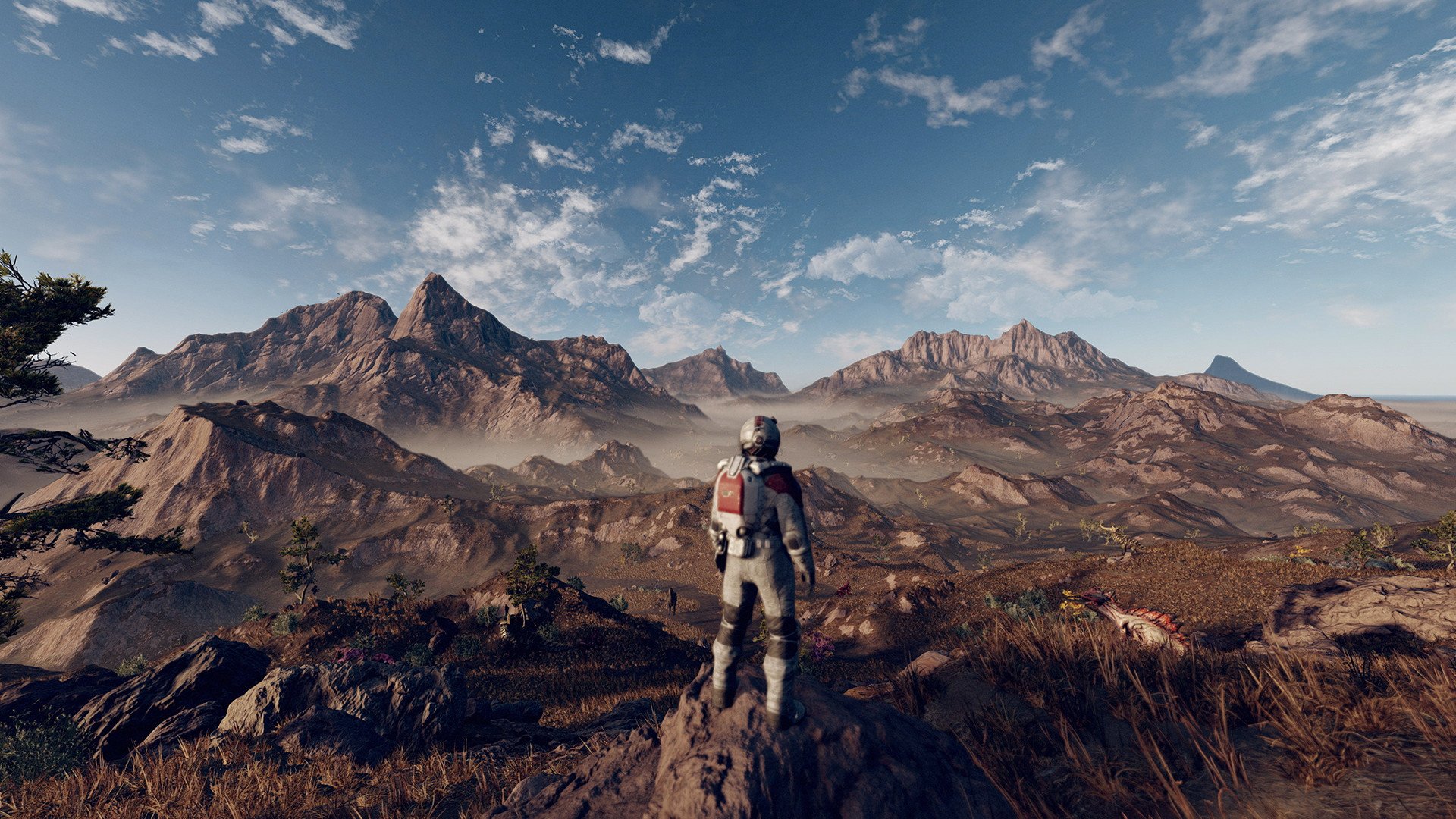
Explore each planet thoroughly by scanning flora, fauna, and resources. Complete survey missions for rewards, and build outposts to exploit valuable materials.
Navigating the vast expanse of space in Starfield presents an exciting challenge. Each celestial body offers unique opportunities and hazards. You might wonder, Starfield how to make the most of each planet? It’s not just about blasting through a storyline.
Really getting the best from planets involves careful exploration and resource management. Focus on the things a planet offers, like its resources, and how they can help you. Don’t just pass planets by, actually look at them and interact with them.

Starfield How to Make the Most of Each Planet
Space is big, and Starfield gives us a whole lot of it to explore! But with so many planets, it can feel a bit overwhelming. How do you know where to go, and what to do when you get there? Don’t worry, we’ve got you covered. This guide will help you make the most of every planet you visit, from finding cool resources to completing exciting missions.
Understanding Planet Types and Biomes
First things first, not all planets are the same! They come in different shapes, sizes, and with different environments. These environments, called biomes, greatly affect what you’ll find on the planet. Knowing what to expect helps you plan your trip.
Common Planet Types
- Rocky Planets: These are your standard, go-to planets. They often have a variety of resources and biomes, like mountains, canyons, and plains. They’re usually a good starting point for exploration.
- Icy Planets: Get ready for the cold! Icy planets are often covered in snow and ice. They’re great for finding specific resources, and sometimes have unique creatures adapted to the cold.
- Desert Planets: These dry, sandy planets might seem barren, but they often hold valuable resources and secrets hidden beneath the dunes. Be prepared for intense heat!
- Volcanic Planets: Hot, dangerous, and full of unique resources, volcanic planets are for more experienced explorers. Watch out for the lava!
- Gas Giants: These huge planets are mostly gas and don’t have a solid surface to land on. You can still explore their surrounding moons, which can offer interesting landscapes and resources.
- Ocean Planets: While not common, some planets are mostly covered in water. They’re hard to explore completely, but you can often find coastal areas with specific materials and interesting plants.
Biomes and What to Expect
Within each planet type, you’ll find different biomes. Each biome has its own unique resources, flora (plants), fauna (animals), and environmental conditions. Learning to recognize biomes will significantly help in maximizing your time on each planet.
- Forests: Full of wood, plants, and sometimes unique animal species.
- Mountains: Rich in minerals and ores. Be prepared for tricky terrain.
- Plains: Easy to navigate, often home to common resources and grazing animals.
- Canyons: Can be difficult to traverse but often contain special geological formations and rare resources.
- Swamps: Watch your step! Swamps are full of strange plants and creatures.
- Tundra: Cold and icy, but you may find unique resources under the snow.
- Cratered Regions: Areas with impact craters can offer some cool resources and geological formations.
Resource Gathering: The Key to Progression
Collecting resources is a huge part of Starfield. These materials are used to build outposts, upgrade gear, and craft helpful items. Knowing where and how to gather effectively will save you time and allow you to grow.
Scanning Planets for Resources
Before landing on a planet, you should scan it from orbit. This shows you what resources are available. Look for icons indicating different materials. Some common resources include:
- Iron: A basic material used in many recipes.
- Aluminum: Needed for building structures and crafting tech.
- Copper: Essential for crafting electronics and upgrades.
- Nickel: Another key component in electronic devices.
- Lead: Important for crafting ammunition and weapons modifications.
- Water: Necessary for survival in extreme environments and making special food.
- Exotic Materials: Rare finds that can be used in high-end crafting. These often require more in-depth exploration to locate.
Efficient Mining Techniques
Once on the ground, use your scanner to pinpoint resource veins. Equip your cutter and start harvesting. Here are some tips:
- Scan Regularly: Even after you’ve mined an area, keep scanning. New resource deposits might show up as the game world evolves.
- Upgrade your Cutter: Improving your cutter tool means you harvest faster and more materials with each use.
- Use Outposts: Establish mining outposts in areas with lots of resources. This allows you to automate material gathering.
- Check Out Different Biomes: Different biomes hold different resource types, so explore multiple regions on the planet to gather a wider range of materials.
Finding Flora and Fauna Resources
Besides rocks and minerals, you can find materials from plants and animals. Use your scanner to learn more about what each plant and creature provides. Be aware, that some animals can be hostile. Here’s how to gather these resources effectively:
- Scanning Plants and Animals: Before collecting from flora and fauna, make sure you scan them, sometimes this can provide extra information, or even extra resources.
- Harvesting Plants: Approach them and press the interact button, to collect the necessary resources.
- Hunting Animals: Some creatures can be hunted for valuable materials. Be prepared for a fight and always try to scan them before a fight, if possible.
Outpost Building: Creating Your Planetary Base
Outposts are more than just a place to store your resources; they serve as a base of operations. Strategic placement of your outposts can greatly enhance your gameplay.
Choosing the Right Location
When choosing a location for your outpost, consider the following:
- Resource Availability: Build near the best resource veins to maximize production.
- Biome Type: Select a biome that has the specific type of resources you are looking for.
- Terrain: Look for flat areas to make building easier.
- Proximity to other locations: If you need a central hub, you should consider if there are other important places nearby.
Outpost Structures
Outposts can be very simple to very complex. Here are some fundamental structures you’ll want to build:
- Habitation Modules: This allows you to rest, store your gear, and relax.
- Resource Extractors: Automated miners to gather minerals and other valuable elements.
- Storage Containers: Places to store all of your gathered resources.
- Research Stations: Crucial for making new upgrades and tools.
- Landing Pads: Allows you to travel easier and move cargo.
- Defensive Turrets: Helps in defending your outpost from hostile creatures.
Automating Your Outpost
The real power of outposts comes from automation. Here is how you can manage it efficiently:
- Link Extractors to Storage: Set up your extractors to deposit resources directly into your storage containers.
- Use Cargo Links: Move resources between outposts with a cargo link system.
- Employ Crew Members: Recruit crew to manage and defend your outposts while you’re away.
Engaging with Planetary Missions and Activities
Planets are not just for resources, they offer lots of missions and things to do. Exploring and getting involved in local conflicts provides a good way to level up and also adds a bit of variety to the game.
Side Quests and Local Jobs
Look for non-player characters (NPCs) with mission markers above their heads, that usually indicates that there is a side quest to do. Planets are full of interesting stories that provide rewards for completing them. Here are some of the usual quests you can expect:
- Delivery Missions: Transport resources or items to other locations.
- Combat Missions: Fight against hostile creatures or pirates.
- Exploration Missions: Investigate strange locations or ancient ruins.
- Rescue Missions: Help people in distress.
- Settlement Missions: Help local settlements with various tasks.
Exploring Points of Interest
Planets are full of unique places. These could be anything from abandoned mines to research facilities. Exploring them can yield special loot and add to the story. Key Points of Interest include:
- Abandoned Structures: Often hold special items, resources, and story fragments.
- Natural Wonders: Geological formations like canyons, mountains, or geysers.
- Research Stations: Can give you new technologies or missions.
- Caves and Caverns: These can often be tricky to navigate but also tend to hold special items.
Adapting to Environmental Hazards
Not all planets are a walk in the park. Some have dangerous environmental hazards that can be damaging. You need to equip yourself with the correct gear and find ways to protect yourself from such environments.
Extreme Temperatures
Some planets are extremely hot, while others are freezing cold. Here’s how to manage this:
- Equip proper apparel: Wear suits that provide protection against extreme temperatures.
- Use Meds: Some meds can temporarily boost your resistance to cold or heat.
- Seek Cover: Hide inside structures or caves when the environment is especially harsh.
Radiation and Toxic Environments
Some planets have high radiation levels or toxic atmospheres. Proper protection is key:
- Anti-Radiation Gear: Use suits that provide radiation protection.
- Use Meds: Use anti-radiation meds to help alleviate radiation damage.
- Avoid Exposure: Stay inside or within a safe area as much as possible.
Gravity Variations
Some planets will have higher or lower gravity levels that can affect your mobility:
- Learn to Adjust: Be prepared to alter your movement and jumping.
- Use Boost Packs: Boost packs can help you traverse faster on low gravity planets.
Advanced Tips for Maximizing Exploration
Here are some extra tips for players who want to take their exploration to the next level:
Ship Upgrades for Travel
A good ship is your best friend when exploring the galaxy. Ship upgrades include:
- Improved Engines: Allows you to travel to faraway systems easily.
- Better Fuel Tanks: Gives you a longer range when traveling.
- Stronger Shields: Helps to survive battles and protect your ship.
Utilizing the Scanner Effectively
Your scanner is not just for resource locating, there are lots of other things you can do with it.
- Scanning Fauna and Flora: Scan everything to discover new information.
- Scanning Points of Interest: Use it to identify important locations and secrets.
- Scanning Structures: Often you can get some extra information about structures.
Experimentation and Adaptability
Don’t be afraid to experiment with new approaches and strategies. Some planets might have hidden secrets, so be inquisitive. Always adjust your plans based on what you find, and there are tons of different planets to explore, so there is plenty to find.
By following these guidelines, you’ll make the most of every planet in Starfield, whether it’s gathering resources, building outposts, or completing exciting missions. Happy exploring!
Starfield – Everything you NEED to Know Before Exploring Planets!
Final Thoughts
Effectively use each planet by focusing on resource gathering. Prioritize planets with desired materials for crafting and upgrades. Surveying for fauna and flora also earns valuable credits and experience.
Use specific planet traits to your advantage, whether for building outposts or completing unique missions. Optimize your time by knowing what each planet offers in advance. You need to plan and use the information given.
Ultimately, understanding the potential of each celestial body is key for ‘Starfield how to make the most of each planet’. Efficiently using each planet ensures you do not miss valuable opportunities.

