
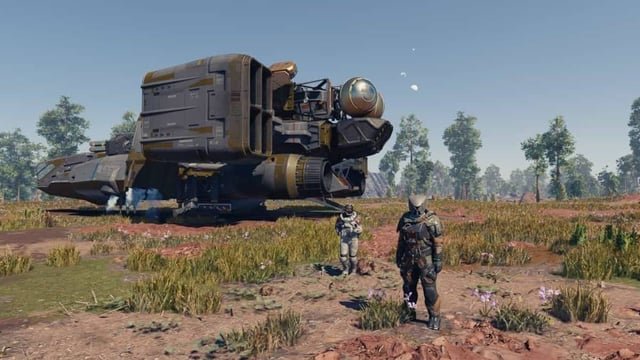
Prioritize crafting essential items like med packs and ammo, sell excess raw materials, and regularly visit vendors to offload junk in order to effectively manage resource early game in Starfield.
Starting your journey in the vast expanse of Starfield can feel overwhelming, especially when your inventory is quickly filling with various resources. Knowing what to keep and what to sell is crucial for early game success. A key aspect for thriving early in the game is understanding how to manage resource early game effectively. Focus on maintaining the essential items needed for survival, while not forgetting to sell everything else to get the credits you need.

Starfield How to Manage Resources Early Game
So, you’ve jumped into the vast universe of Starfield! It’s a big place, full of cool planets and exciting adventures. But like any good space explorer, you need to keep your ship and gear in tip-top shape. That means managing your resources! In the early game, this can feel like a juggling act. But don’t worry, we’re here to help you get a handle on all those shiny (and sometimes not-so-shiny) items.
Understanding Starfield’s Resource System
Starfield doesn’t just throw you into the deep end. It introduces you to resource management gradually. Think of resources as the building blocks of your spacefaring life. You’ll need them for crafting, building outposts, upgrading your equipment, and even selling for credits. These resources come in many different forms, from basic minerals to complex crafted components. They’re the fuel that keeps your adventure going, so it’s important to learn what they are and how to find them. Let’s look at the main types you will encounter in the beginning:
- Basic Minerals: Think of these as the foundation of everything. You’ll find things like Iron (Fe), Aluminum (Al), Copper (Cu), and Nickel (Ni) scattered around planets. These are used for a ton of crafting recipes.
- Gases: Some planets have pockets of gases that you can gather. Helium-3 (He-3) is a big one, especially if you want to build your outposts and research new tech.
- Organic Materials: You’ll get these from plants and animals. They include things like Adhesive, Fiber, and various types of food.
- Manufactured Components: These are items that you’ll make using other resources. Things like structural components and weapon parts.
- Credits: While not technically a raw resource, credits are vital! You use them to buy equipment, ship parts, and materials from vendors, so managing your funds is key.
Understanding this categorization will help you prioritize which resources to collect and how to spend them.
Early Game Resource Gathering Strategies
The best place to get resources early on is directly from planets. You’ll find resources by exploring, scanning, and mining. Here’s what you should focus on:
Scanning Planets
Before you even set foot on a planet, you should scan it from your ship. Open the planet view by selecting a planet on the star map and press “R” or the associated key to scan. This shows you what resources are available on the surface. Look for the ones you need most and focus on landing in areas that have high concentrations of these.
Surface Exploration
Once you’re on the ground, grab your scanner (usually assigned to the “F” key). Walk around and scan the various plants, rocks, and other things you see. This will show you what you’re looking at, and if it is harvestable, you’ll see an “E” prompt or the corresponding key, indicating you can gather the resource.
Mining
When you scan a rock or deposit, some resources require a Cutter tool, which is a mining laser. Press “E” or the associated button to start mining, and keep holding it down. You’ll see the resource being added to your inventory. Early on, Iron, Aluminum, and Copper are very important, so don’t skip them.
Looting
Don’t forget to check all the containers and bodies around you. You might find ammo, credits, or even resources tucked away in unexpected places. Even small loot adds up over time, and it is always better to have more than less.
Trading
Sometimes you’ll find traders or merchants in towns or space stations. They often have basic resources available. If you’re low on something specific, and you have credits to spare, it might be worth purchasing it. However, in early game, focus more on gathering, and save credits for critical items.
Inventory Management: Staying Organized
Your inventory can get crowded fast! Here are some tips for keeping it manageable:
Understanding Carry Weight
In the bottom right corner of your inventory screen, you will see how much weight you’re carrying, and how much is your maximum weight. Overburdened is when you go over the maximum weight, and that means you can’t run, and have a penalty of not being able to fast travel. Try to keep your character’s inventory as light as possible.
Prioritizing Resources
Think about what you need most. In the beginning, you’ll want Iron, Aluminum, Copper, and adhesive for crafting, and Helium-3 for building outposts later on. If your inventory is full, drop any excess of less vital items. You can always come back for them later.
Storing Resources
The best way to keep things organized is by storing your items at different places:
- Ship Storage: Your ship has storage! It’s a great place to keep extra resources and gear. Just go to the cockpit, and find the storage.
- Outpost Storage: When you start building outposts, you can create storage containers to store your gathered resources. Outpost storage can be the best way to store, but you need to get outpost building first.
- Personal Storage: You can also find storage containers in cities and some buildings. Don’t forget about these, as they are additional storage space that you can use.
Selling Excess
If you have more of a resource than you need, and your storage is full, then consider selling. Check the prices at different merchants and sell the excess resources for credits. This will help you get better gear.
Crafting and Research
Resources aren’t just for selling. They are also for upgrading gear and building awesome items through crafting and research.
Using Workbenches
You’ll find workbenches in cities and in your ship. Use these to craft weapons, armor, and other things. Before crafting, make sure you have the required resources. If you don’t have the necessary materials, the workbench will show you what you need. This will help you focus on what you should be searching when you go planet exploring.
Research Lab
Eventually you will also get access to a research lab, where you can unlock new recipes and crafting options. This unlocks more advanced equipment, and makes your character much stronger. The starting research will require some resources, like Iron, so make sure to collect them.
Resource Management for Outpost Building
Later on, you will have access to the outpost building. This is a key part of resource management in Starfield. Here is what you should know:
Setting up Extractors
When you build an outpost, you can set up resource extractors. These devices will automatically gather resources from the ground. To set them up, you will need to scan for resource veins, and when placing an outpost, you can choose to place it on a resource deposit.
Powering the Outposts
Extractors require power. You’ll need to build generators to keep them running. Generators require resources, so make sure you have the resources to keep them working, and make sure you have enough to keep them working for a long time. Having an outpost that is not powered is very inefficient.
Resource Transportation
You can also set up cargo links between outposts. This lets you automatically transfer resources from one place to another. If you set up an outpost on different planet that mines different resources, you can automate the system, where the cargo ship transports the resources you need to the main outpost.
Tips and Tricks for Early Game Success
Always Scan
Make a habit of scanning everything, whether it’s planets, rocks, or containers. The scanner is your best friend in Starfield.
Keep Moving
Don’t get stuck in one place for too long. Explore new areas to find new resources and opportunities.
Plan Ahead
Think about what you need to craft or build. If you’re planning to make a lot of weapon mods, you need to prioritize getting the materials for these. If you’re planning on building an outpost, gather the necessary materials.
Use Your Ship’s Storage
Your ship’s storage is your first line of defense against overburdening. Use it well.
Don’t Hoard Useless Items
You don’t need to keep absolutely everything you find. Be willing to sell items that you don’t need.
Focus on a Few Key Resources
Don’t try to gather every single resource you find at the start. Stick to the ones you need for your current goals.
Be Patient
Resource management takes time. It’s about finding a good balance between gathering, crafting, and selling.
Remember, resource management is a skill that improves with practice. With a bit of patience and planning, you’ll be well-equipped to take on the challenges of the vast Starfield universe. Happy exploring!
Starfield early game outpost resource calculator
Final Thoughts
Prioritize scavenging common materials like iron and aluminum. You can sell excess resources to vendors for early credits. Invest in skills that improve resource gathering. Careful planning and efficient looting are crucial.
Focus on crafting only necessary items to avoid waste. ‘Starfield how to manage resource early game’ requires mindful usage. Store resources on your ship for easy access later. This method will ensure you have what you need.

