
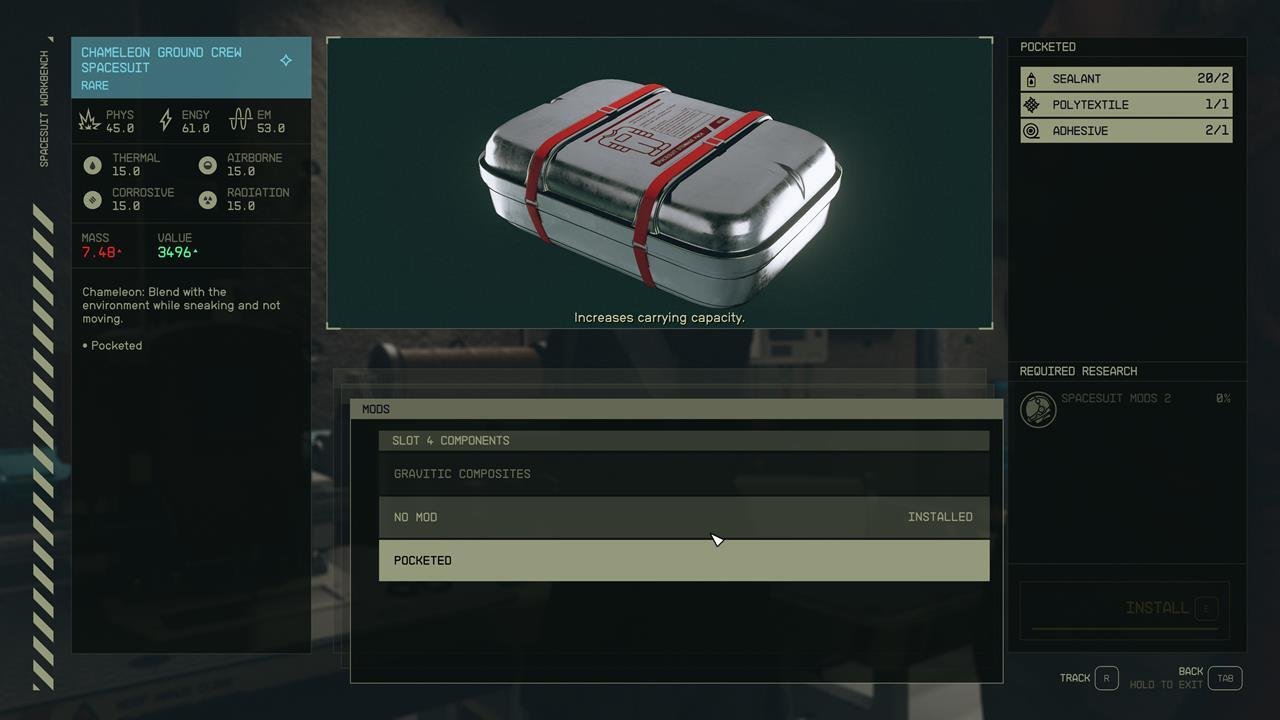
Managing your inventory in Starfield effectively requires utilizing the storage options on your ship and in outposts, regularly selling unwanted items, and upgrading your carrying capacity via skills.
Let’s face it, a space explorer’s journey often involves acquiring a lot of…stuff. In Starfield, figuring out how to manage the inventory is crucial for smooth gameplay. You’ll quickly find yourself burdened with resources, weapons, and more. Learning how to manage your inventory will save you from frustrating limitations.
This can be initially overwhelming, but with some knowledge of the systems available, you’ll be able to carry what you need and keep moving. By focusing on key areas you’ll find your storage problems will soon disappear.

Starfield How to Manage the Inventory
Alright, space explorers! Let’s talk about one of the most important things in Starfield: your inventory. It’s like your backpack, but way more high-tech and, let’s be honest, way more likely to get filled up with junk. Managing it well is key to a smooth and fun adventure across the stars. You don’t want to be weighed down by space potatoes and laser rifles you don’t even use, right? This guide will help you become an inventory master, so you can spend more time exploring and less time worrying about your stuff.
Understanding Your Inventory in Starfield
Starfield’s inventory system is not just a simple list of items. It’s got a lot of moving parts, so let’s break it down. You’ve got your own personal inventory, your ship’s cargo hold, and various storage containers scattered across the universe. Each has its own capacity and rules. Knowing how they work is the first step to keeping things organized.
Personal Inventory: Your On-Hand Gear
This is where you keep all the stuff you’re currently carrying. This includes your weapons, armor, aid items (like food and medical supplies), resources for crafting, and all the random bits and bobs you pick up along the way. Your personal inventory has a weight limit, meaning you can’t carry everything. If you go over that limit, you’ll become encumbered, which makes you move super slow, and you can’t fast travel. Nobody wants that!
- Weight: Each item in your inventory has a weight. Pay attention to this number when looting, or you may find you can’t carry things.
- Capacity: The total amount of weight you can carry is based on your character’s skills and any gear you might have that boosts your carry capacity.
- Item Categories: Your inventory is organized into categories. This helps you quickly find what you’re looking for. Categories include Weapons, Apparel, Aid, Resources, and Misc.
Ship Cargo Hold: Your Home Away from Home
Your ship’s cargo hold is like your spaceship’s own big storage closet. It has a much larger capacity than your personal inventory and is perfect for storing all the extra resources, weapons, and gear you want to keep but don’t need right away. Think of it as your long-term storage. You should be transferring items you do not need immediately to this hold to keep your character light and nimble.
- Capacity: Cargo hold capacity depends on your ship’s specifications. Bigger ships generally mean more storage.
- Accessible: You can access the cargo hold from inside your ship, usually near the cockpit or a designated cargo area.
- Not Always Available: Be mindful that you can’t access your ship’s cargo from every location. You need to be near your ship or at a landing site.
Storage Containers: Hidden Treasures and Extra Space
Throughout your travels, you will encounter many storage containers such as lockers, chests, and safes. They can be found in settlements, abandoned stations, and even inside enemy bases. These containers are great for storing gear you want to come back to later or keeping loot separate from your main inventory. Be aware though, containers not in your ship or home base might not be safe if they are in an area that resets. Items might disappear. So if something is precious, keep it in your home.
- Locations: Storage containers are located all over Starfield. Keep your eye out for them.
- Capacity: These can vary greatly, so check before you fill them up.
- Persistency: Not all containers are persistent. Items may disappear from certain containers after a while, especially those in areas that reset.
Essential Inventory Management Tips
Okay, now that we understand the basics, let’s get into the nitty-gritty of inventory management. Here are some key strategies to help you stay organized and efficient in Starfield.
The Art of Looting Smart
Not everything that shines is worth picking up. Be selective about what you loot. Ask yourself: “Do I really need this?” When faced with a pile of items, evaluate their worth based on these factors:
- Weight-to-Value Ratio: Prioritize items with a good credit value but little weight. For example, high-value gems or unique weapons may be worth hauling around, but a pile of space rocks, probably not.
- Resource Needs: Keep resources you need for crafting and base building, but try to avoid collecting huge quantities of things you don’t currently need.
- Personal Preference: If a particular weapon or armor piece feels better for you to use, grab it, but don’t be afraid to leave items that just don’t suit your play style behind.
Before you pick up everything in a room, open your inventory and look at the weight of what you already have. If you are already close to your limit, it may not be worth taking the other objects. If you see an object that you want but are too heavy to take, remember where you saw it. You can always come back once you have a method of taking it with you.
Categorizing and Organizing
Starfield automatically organizes your inventory into categories. However, knowing where things are can still be a problem. Get used to these categories, so you know where to find what you need when you need it. Quickly scanning through these will make you better at looting.
- Weapons: All your guns, knives, and other instruments of destruction go here.
- Apparel: This section holds all your clothing, helmets, and spacesuits.
- Aid: This is where you’ll find medical supplies, food, and drinks.
- Resources: Ores, chemicals, and plant materials end up here.
- Misc: Everything that doesn’t fit into the other categories goes here, such as notes, keys, and strange space objects.
Take time to glance over your list after a looting session. You may not need certain objects. Sometimes just knowing where they are located makes a huge difference.
Utilizing Your Ship’s Cargo Hold Effectively
Your ship’s cargo is a goldmine of extra storage. Make a habit of regularly transferring items from your personal inventory to your ship. This will free you up to take more items as you loot. Here’s how to use it wisely:
- Regular Transfers: Each time you visit your ship, take the time to empty the heavy items and resources from your personal inventory into the ship’s cargo.
- Strategic Storage: Use the cargo hold for resources, crafting materials, and extra gear that you may need later.
- Modifying Ship Cargo: Some of the skills in the tech tree increase the capacity of your ship’s cargo. Make sure to invest in this if you have a tendency to over loot.
The Power of Crafting and Selling
Don’t let your loot pile up forever. Learn the ins and outs of the crafting and selling system to make the most out of what you collect. Crafting allows you to make objects from items you have gathered, while selling allows you to turn the junk into credits that you can use to purchase even better loot.
- Crafting: Use the various workbenches to craft weapons, armor mods, and aid items. This will use up a lot of your basic resources.
- Selling: Use vendors at trade posts to turn all of the items you don’t need into credits.
- Research: Investing in the Research skill can open up new crafting recipes.
Learning what objects are best to craft or sell can really make your experience better. The better the loot you can find, the easier the game will be. This is also a great way to free up space in your inventory if you need it quickly.
Weight Reduction Skills and Perks
There are skills and perks in Starfield that can greatly help with inventory management. Investing in skills that increase carry capacity is a must for any player who likes to pick up every piece of loot they find. Here are a few to keep your eye out for:
- Weightlifting: This skill increases how much weight your character can carry. Every level lets you carry an additional 10 kg. This is a must for looting.
- Fitness: This allows you to consume less oxygen when sprinting, which allows you to travel faster with less penalty.
- Payloads: This skill increase the capacity of your ships cargo hold, which means that you can carry even more.
These skills are located in the strength and tech trees, which can be accessed in the main menu. Take some time to look over them to see what will work best for your play style.
Using Workbenches to Break Down Resources
Another way to manage your inventory is by breaking down objects. This will turn them into their base components, which will reduce the weight that you carry. This is useful when you have a large quantity of weapons and armor.
- Weapon Workbench: Allows you to break down weapons into their base components.
- Spacesuit Workbench: Allows you to break down armor into their base components.
- Industrial Workbench: Allows you to break down certain objects into a large variety of different components.
Breaking down these objects is a great way to reduce the total weight of your inventory. It’s also a good way to collect rare materials that can be used for crafting.
Managing Aid Items
Aid items are important for staying alive, but they can also take up a lot of space. Here are some strategies to keep your aid items under control:
- Stockpile: Keep a small stockpile of frequently used items like med packs and food.
- Avoid Hoarding: There is no need to pick up every type of aid item that you find. Focus on the ones you use often.
- Crafting: Some aid items can be crafted from other materials. This allows you to carry less but still get the aid items you need.
Prioritizing Items to Sell
When it comes to selling items, not everything is created equal. Here’s a guide on what to prioritize when you’re looking to make some extra credits.
- Weapons and Armor: Sell any unwanted weapons and armor. Especially if you are not going to break them down for components.
- Resources: Sell extra resources that you don’t need for crafting or base building.
- High-Value Items: Look out for unique gems, art objects, or other rare items. They often fetch a good price.
- Avoid Selling Aid: Avoid selling aid items unless you have absolutely no other need for them.
Advanced Tips
Okay, now that you are familiar with the basics, here are a few advanced tips to really make your inventory management even more efficient.
Using the Transfer Menu
When you are near your ship, or any other storage containers, use the transfer menu to quickly move items. This will allow you to quickly get rid of the heavy items you have without having to go into multiple menus. This can save you time. Just remember to sort these items in your ship.
Quick Looting
Get into the habit of quick looting by quickly scanning over the objects in a room. This will allow you to quickly pick up the best items. Then, you can go into your inventory to make sure you aren’t carrying too much.
Knowing Your Limits
After you have been playing for a while, you will get a good sense of your carry limit and the types of items you need. Use this knowledge to avoid getting over encumbered. Don’t be afraid to leave the junk on the ground.
By keeping these things in mind, you’ll be prepared for anything that the universe has to throw at you. Keep exploring and having fun!
Starfield – How To Stop Being Encumbered: Inventory Tips and Infinite Storage
Final Thoughts
Effective inventory management in Starfield requires understanding item weight, utilizing storage options like your ship’s cargo hold and outpost containers. Regular trips to vendors for selling excess goods is crucial. Consider investing in skills which can increase your carrying capacity to improve ‘Starfield how to manage the inventory’.
Also, prioritize what you carry, keeping only essentials. Being mindful will help avoid becoming overburdened which slows movement. Learn which items are truly valuable.

