
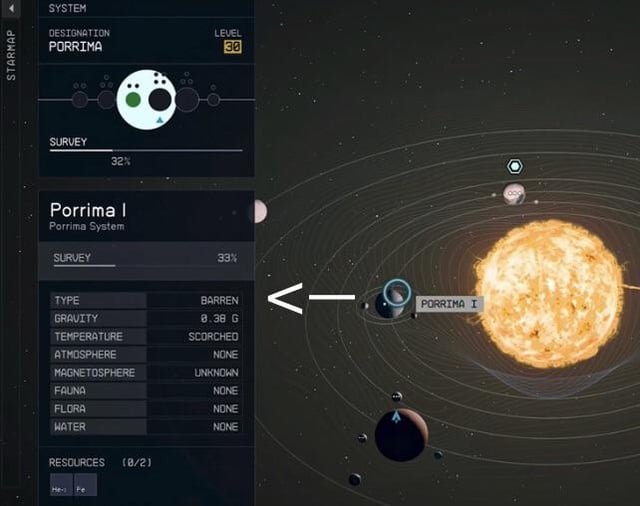
‘Starfield social structures on planets’ range from settled, city-based societies to smaller, more isolated outposts, often shaped by the planet’s resources and environment.
Venturing into the vast expanse of Starfield, we quickly realize that planets are not just empty rocks. They are vibrant hubs of life, each with its unique approach to society. Starfield social structures on planets vary wildly, from thriving metropolises to small communities clinging to existence.
These societal frameworks often reflect the planet’s challenges, driving social interactions and influencing the diverse cultures that players will encounter. Think about the resources and environmental difficulties that these colonies must face daily which clearly affect how they interact with each other and outsiders.

Starfield Social Structures on Planets
Okay, space explorers! Let’s dive into something really interesting about Starfield: how people live and organize themselves on different planets. It’s not just about blasting aliens and finding cool loot; it’s also about understanding the societies we find. Each planet or settlement seems to have its own special rules, jobs, and ways of doing things. These groups, or “social structures,” are what make each place in Starfield feel unique. Imagine, a busy spaceport is completely different from a quiet farming community, right? That’s what we are going to explore today!
The Settled Systems and Their Factions
Before we get into specific planets, let’s talk about the big groups, or “factions,” that control parts of the Settled Systems. These factions greatly influence the social structures you’ll see on various planets. Think of them as giant clubs or groups with their own rules, goals, and ways of life.
The United Colonies (UC)
The United Colonies is like the big government in Starfield. They’re all about order, rules, and a strong military. If you find a place controlled by the UC, you’ll probably see lots of police officers, soldiers, and official buildings. Think of a well-organized city with people following set rules. They focus a lot on security and making sure everything runs smoothly. The UC likes to call the shots and wants the systems to be safe for everyone living under their banner. Their cities often feel more official and structured.
The Freestar Collective
The Freestar Collective is very different from the UC. These guys are all about freedom, independence, and doing things their own way. They are like space cowboys and pioneers. Places controlled by the Freestar Collective often feel a bit more wild west-ish, with a focus on personal liberty and self-reliance. You won’t see as many strict rules and regulations in Freestar settlements. Instead, they value folks who are tough and can take care of themselves. They often have smaller communities that feel more like independent towns.
Other Notable Factions
- Ryujin Industries: This is a powerful corporation that plays a big role in some planets, focusing on high-tech research, products, and sometimes…shady dealings. They often influence the type of workers and the kinds of tech you see around their bases.
- Crimson Fleet: If you ever meet these pirates, you are sure to find yourself in a mess. The Crimson Fleet’s outlaws and criminal groups have their own rules and structures that usually involve lots of fighting and illegal activity.
- House Va’ruun: This mysterious religious group has very unique structures and beliefs, which also influence the planets they control. They seem to follow a very strict set of rules, and their settlements often look very different than the others.
Social Structures Within Settlements
Now, let’s zoom in a little closer and talk about the social structures inside different settlements. Whether you are in a big city or small outpost, the way people live and work together is usually influenced by the main faction controlling the planet, its environment and economy.
City Life
Big cities on Starfield planets are busy hubs with all sorts of different people living and working together. You’ll find lots of different kinds of places, like big shops, tall buildings, and plenty of people walking around. City social structures usually have a clear pecking order, with powerful figures like mayors and business owners at the top, followed by workers, service personnel and so on. Here’s a closer look:
- Government & Authority: You’ll find city halls and security forces to maintain order. Cities under UC rule will be more orderly, while Freestar cities might have a less restrictive system.
- Commercial Districts: These are packed with shops, markets, and business, with all kinds of traders and workers. The economy and trade greatly affect daily life in the city.
- Residential Areas: People live in different neighborhoods, from big apartments to smaller houses depending on their jobs, wealth and social class.
- Employment and Careers: Cities offer different kinds of jobs, like construction, tech, medical, security, and merchant roles. These professions help shape the social class and hierarchies in the city.
Outposts and Smaller Settlements
Outposts and smaller settlements have their own unique charm and social structures. These places are usually more about work than city life, with people working together to survive and earn a living. They tend to feel more close-knit and self-reliant.
Mining Outposts
Mining outposts are all about hard work! People are mostly focused on extracting resources and they generally live in simple homes, often directly near the mines. Here’s how they are typically set up:
- Work Crews: These teams focus on mining and processing resources, forming a strong sense of cooperation and community.
- Basic Living: People tend to live in temporary or basic structures near the mining areas, with little time for fancy living.
- Limited Facilities: You won’t find many shops or entertainment here; the focus is all on hard work and getting the job done.
Farming Settlements
Farming communities focus on growing food and resources, usually in more calm and peaceful areas. They have social structures based on cooperation, with everyone pitching in to make the settlement work.
- Farming Families: Farming families run small-scale farms and depend on each other for labor and support.
- Local Markets: These small settlements often have markets to trade their goods with other nearby towns or outposts.
- Strong Community: These settlements are known for their sense of community and shared responsibility, where neighbors help each other.
Research Facilities
Research facilities on different planets are home to scientists and researchers, and they have a social structure based around sharing knowledge. Life here is all about working together to come up with new and cool stuff.
- Research Teams: Scientists work in specialized teams, sharing knowledge and working on projects.
- Labs and Housing: These facilities are full of labs and basic housing for the science teams.
- Collaboration: Social connections between scientists are important for knowledge sharing and advancement.
Independent Settlements
There are also independent settlements, which don’t really follow any of the main factions, and they develop their own unique social structures. They are often very different from one another, and that’s what makes them so interesting to explore.
Remote Outposts
Remote outposts are made by people who want to live far away from any big groups or rules. People here are self-sufficient and often follow their own unique traditions and way of life.
- Self-Sufficiency: These communities focus on taking care of themselves, producing everything they need from resources available in their surroundings.
- Unique Cultures: Because these outposts are so far away, their cultures and practices are very different from the main factions.
- Small and Close-Knit: Everyone knows each other in these small settlements and relies on each other.
Unique Locations
Some unique locations in Starfield might have odd social structures, because they are based around specific needs or events. Think of a big space station, or a hidden base somewhere.
- Specialized Roles: These locations often require very specific workers to keep the settlement running.
- Unconventional Rules: These places usually do not follow the rules of any main faction; they do things their own way.
- Variety: You may find all kinds of different people in these unusual places, from traders and technicians to all sorts of weirdos.
Social Classes and Hierarchies
Just like in real life, people in Starfield settlements belong to different social classes and have various levels of power. These social classes often shape where people live, what jobs they do, and how they are treated. Think of it like this: some people have nicer houses and better jobs, while others have to work really hard to make a living.
Wealth and Status
Wealth plays a big part in how people are seen in society. Wealthy people often live in nicer areas, have more opportunities, and can often get away with more than those with fewer resources. Here are some ways wealth is often displayed:
- Luxury Housing: The wealthy often live in large, well-furnished houses in the best areas of the city.
- Business Owners and Leaders: People who own businesses or lead the factions often have more money and power.
- Access to Resources: They often have better access to resources, technology, and services.
Working Class and Laborers
The working class are often in charge of the essential work in society. They are the people who make sure the food is grown, the resources are mined, and everything gets built. Even though they may not have as much wealth, they make very important contributions to society.
- Essential Jobs: These people do a lot of the jobs that help keep the cities and outposts going.
- Basic Housing: They usually live in more basic homes, often near where they work.
- Hard Work: Their daily life is about doing difficult physical tasks for long periods of time.
Social Mobility
Social mobility is all about how easy it is to move up or down in social status. In some places in Starfield, it’s possible to move from a working-class job to a more important role, or vice versa. This usually depends on the rules of the faction and the specific conditions of that particular place.
- Opportunities: Some places offer better chances for people to gain more knowledge or take on better jobs.
- Restrictions: In some settings, there may be limits to social mobility. It can be hard to climb up the social ladder for various reasons.
- Personal Efforts: Your efforts and decisions in Starfield can sometimes help you to move up (or down) in social status.
Culture and Traditions
Each social group in Starfield also has its own unique culture and traditions. This affects how people behave and interact with each other, and makes each location feel special and different.
Local Customs
Local customs are those daily habits that make each group unique. These can include the way people greet each other, the way they celebrate holidays, or the kind of things they do for fun. These small habits often give settlements their special character.
- Daily Interactions: The way people communicate can be very different from place to place, showing their own unique culture.
- Celebrations: Each place has its own holidays and traditions, that usually involve festivals, songs and gatherings.
- Cultural Practices: Different cultures also influence the clothes that people wear and the things they do to entertain themselves.
Beliefs and Values
What people believe in and value makes a big difference in their lives. Some might be all about freedom and independence, while others care more about order and rules. The values of a social group shape how they live and work together.
- Core Beliefs: The core beliefs about what is important affect daily life and interactions with others.
- Moral Codes: The moral codes influence what is considered acceptable or wrong in each social group.
- Goals and Motivations: The goals and the things that people want to achieve guide their decisions.
Impact of Factions on Culture
The controlling factions have a very big influence on the culture in their territories. For example, the UC is very much about following rules and being proper, while the Freestar Collective is a lot more about personal freedom and being your own boss. This is reflected in how people live and interact on planets under their control.
- UC Influence: UC-controlled territories often have well-structured communities that follow strict guidelines and regulations.
- Freestar Influence: In Freestar-controlled areas you will often see a more relaxed, free-spirited atmosphere.
- Other Faction Impact: Other factions also shape local cultures, like the religious structures found in House Va’ruun settlements.
How Player Actions Influence Social Structures
Your actions in Starfield have the power to influence these planetary social structures. Depending on your choices, you may help or harm settlements, and your relationships with certain factions may change.
Missions and Quests
The missions and quests you take on can affect the social dynamics of the settlements you visit. If you are helping people and fixing their problems, they will like you, and you’ll change their lives for the better. However, if you are helping pirates and criminals, you might harm those places.
- Helpful Actions: When you finish missions that help people and fix issues, you improve the lives of people in the settlement.
- Harmful Actions: If you choose to help criminals, you might upset the balance in society and make things worse.
- Faction Relationships: Your decisions can make you friends or enemies with certain factions, changing your options.
Economic Impact
Your trade activities and resource collection can have an impact on planetary economies and the daily lives of people in different communities. For example, if you sell resources to a farming settlement, you help them thrive. But if you buy all the resources from a small town and sell it elsewhere, you might leave them without anything to trade.
- Trade Routes: The buying and selling you do will create new trade routes and influence the resources that become easily available.
- Resource Availability: Your resource gathering and selling can change how much money or food is available to different settlements.
- Economic Stability: You can help settlements become more wealthy or more poor depending on the choices you make.
Reputation and Relationships
Your reputation is very important in Starfield. If you are known as a hero, people will trust and respect you. If you are known as a criminal, they will be afraid of you. Depending on your reputation, you may find that some groups like you and some don’t, and you’ll have to live with the consequences of your choices.
- Positive Reputation: If people see you as a hero, they may offer better deals, and help you in your journey.
- Negative Reputation: When people see you as a criminal, they might ignore you, or attack you.
- Faction Relations: Your reputation can also influence your relationships with the different factions in the game.
In conclusion, social structures on Starfield planets are complex and varied, reflecting the influences of different factions, local economies, and cultural practices. Understanding these structures enhances the gameplay and makes exploration more meaningful. Your actions will have real consequences in this universe, so choose wisely, spacefarer!
Starfield – Jump from the highest places on Different Planets
Final Thoughts
Starfield presents diverse social structures on planets. We observe varied forms of governance, from established colonies to independent settlements. These societies influence player interaction and available quests. The political landscape is not static; allegiances shift and conflicts erupt.
Understanding Starfield social structures on planets is key to navigating its complex world. Players must adapt to local customs and power dynamics. Choices made will impact their standing within these planetary societies.

