
Starfield’s resources fall into categories like: Minerals (e.g., Iron, Aluminum), Organics (e.g., Fiber, Biosynthetic), Gases (e.g., Helium-3, Argon), and Manufactured components (e.g., Adaptive Frame, Polymer).
Venturing into the vast expanse of space in Starfield, you quickly learn the importance of gathering. Starfield what are all the types of resources, you might ask? Well, the game presents a variety, each crucial for crafting, building outposts, and upgrading gear.
These resources fuel your journey across the stars and allow for exploration and growth. Knowing them will be very important for your success in this sprawling RPG.

Starfield what are all the types of resources
Welcome, space explorers! In Starfield, you’re not just shooting bad guys and exploring planets. You’re also a space miner, a space botanist, and a space chemist all rolled into one! Resources are the building blocks of everything cool you want to create. From crafting new weapons and armor to building your outposts and research, you will need to find all sorts of resources. This guide will help you learn all the different resource types you will encounter as you play the game.
The Core Resource Categories
Starfield breaks down resources into a few big groups. These are like the main categories in your space fridge, so you know where to look. We have:
- Inorganic Resources: Think rocks, metals, and things that don’t come from living stuff. These are your classic mining materials.
- Organic Resources: These come from plants, animals, and other living creatures on the planets you visit. This includes things like plant fibers or animal parts.
- Gases: These are resources that are in the air of a planet or sometimes found in special pockets.
- Manufactured Resources: These are made by combining other resources. Think of them like the things you build with your legos.
Let’s dive deeper into each of these, because there’s a lot more to each than meets the eye!
Inorganic Resources: Digging into the Ground
Inorganic resources are the workhorses of Starfield. These are the materials you’ll find by mining and they are used to craft almost everything. They’re what you use to create sturdy tools, solid structures, and powerful weapons.
Common Inorganic Resources
You’ll see these pretty often as you explore different planets. They’re great for starting out and for general use in crafting.
- Iron (Fe): This is the most common metal you will see. It’s used in tons of different crafting recipes.
- Aluminum (Al): This one is also pretty common. It is used for building outpost structures and certain gear upgrades.
- Copper (Cu): You’ll find this one almost as much as iron. It is used in energy and electrical-related projects.
- Nickel (Ni): Another great base metal. It is important for constructing certain advanced components.
- Lead (Pb): Commonly found on most planets. This is used in the making of ammunition.
Uncommon Inorganic Resources
These resources are a bit harder to find, and are used for crafting more advanced things.
- Silver (Ag): A precious metal used in electronic and higher-end crafting recipes.
- Gold (Au): This is the other valuable metal. It is also used in high-tech gear, and is used for trading.
- Titanium (Ti): A light but very strong metal. It’s important in building ship components.
- Tungsten (W): Very tough material used in advanced weapons and some types of armor.
- Vanadium (V): A rare element useful in high-powered tools and weapons.
Rare Inorganic Resources
These are the resources you’ll really have to hunt for. These resources are essential for crafting top-tier gear and completing special projects.
- Platinum (Pt): This is rare and very valuable and is used in very high level manufacturing.
- Uranium (U): This is a very important resource for power generation and the production of advanced weaponry.
- Beryllium (Be): A very light metal used in ship modifications and some high level technological projects.
- Cobalt (Co): This is an important metal which is important for making advanced batteries.
- Palladium (Pd): Very rare and is required for the construction of high tech equipment.
Exotic Inorganic Resources
These are the rarest and most valuable, they are hard to find, and often tied to specific planets or special situations.
- Dysprosium (Dy): Very important in making cutting-edge tech, usually found in extreme environments.
- Europium (Eu): This rare element is essential for top tier technology.
- Iridium (Ir): It is incredibly rare and is important for crafting of top-tier components.
- Antimony (Sb): Very rare and required for high-end weaponry and shields.
- Plutonium (Pu): This one is found on dangerous planets, required for some of the highest level tech.
Don’t forget to upgrade your mining skills! The better you get at mining, the more resources you will get when you are mining the same node.
Organic Resources: From Flora and Fauna
Organic resources come from the living things on the planets you explore. It can be anything from plants to animal parts. You might need to hunt creatures or carefully pick plants to get these resources.
Common Organic Resources
These are the organic resources you’ll find often, generally easy to collect.
- Fiber: Often taken from different plants, a very important resource for basic crafting.
- Nutrient: These are harvested from plants and sometimes animals, used in the production of food items.
- Sealant: A substance used in patching stuff, commonly obtained from plant sap.
- Adhesive: This is used to combine parts, can be collected from the sticky part of plants and some animals.
- Toxin: A poisonous substance used in crafting weapon and combat consumables.
Uncommon Organic Resources
These resources are a bit harder to get and come from more special or dangerous lifeforms.
- Membrane: This is harvested from animals, used in crafting armor and protective gear.
- Antimicrobial: A resource that is obtained from unique plants. It has medicinal properties.
- Sedative: Used for crafting tranquilizers and healing items, extracted from certain plants or animals.
- Aromatic: A fragrant substance that is obtained from plants. It’s useful for high level crafting and research purposes.
- Spice: This one is used to make food and for crafting. Harvest from special flora.
Rare Organic Resources
These are more elusive resources, often found in specific, difficult to reach locations. They are valuable for high-tier crafting.
- Hallucinogen: Found in a few rare flora. It can be used in special weapon or consumable crafting.
- Stimulant: A powerful resource that is extracted from high value plants or creatures, used for performance enhancing consumables.
- Reagent: A chemical substance obtained from the unique biology of plants and animals. It’s important for research.
- Biosuppressant: A special element that is extracted from rare creatures. It has healing applications.
- Analgesic: Collected from rare creatures and used in crafting medical items.
Keep an eye out for unique plants and creatures as you explore. They often have very valuable resources on them.
Gaseous Resources: Collecting the Air Around You
Gaseous resources are found on planets as atmospheric components or in special deposits. They’re essential for powering some tools and creating certain advanced materials.
Common Gaseous Resources
- Helium-3 (He-3): You need this for fueling spacecraft and energy production. It’s a common resource.
Uncommon Gaseous Resources
- Argon (Ar): An inert gas used in research and advanced energy storage.
- Neon (Ne): A rare gas that is important for specialized crafting projects.
- Chlorine (Cl): A common gas that has applications in weapons and industrial manufacturing.
Rare Gaseous Resources
- Fluorine (F): Used in the making of high-end components.
- Xenon (Xe): Rare gas used for advanced research and technology.
Gases may be invisible but they are a very crucial part of the crafting experience. Make sure to invest in tech that can collect and process them efficiently.
Manufactured Resources: Building from the Basics
Manufactured resources are not found in nature, instead, they are produced by combining multiple resources together. These are things like components and composites that make up the building blocks for other crafts.
Common Manufactured Resources
- Structural Material: Made from basic metals. It’s used in creating buildings.
- Polymer: A basic composite material made from organic and chemical resources.
- Power Circuit: Made by mixing metals with electronic components. It’s used in crafting advanced tools.
Uncommon Manufactured Resources
- Reactive Gauges: Made by combining different materials for sensitive devices. Used in ship and tool modification.
- Isotopic Coolant: Used in advanced tech to provide cooling. Made from gases and chemicals.
- Comm Relay: Required for establishing communication links between outposts. Made from special metals and electronic components.
Rare Manufactured Resources
- Zero-Wire: A super conductor made from advanced materials and is used in top-tier gear.
- Nuclear Fuel Rod: Made from rare materials. It’s used in high-energy power generation.
- Microprocessor: Required for advanced robotics and automation, and is made from very rare resources.
Manufactured resources are the next step in resource management, they require you to combine all your resources to make new and more powerful things.
How to Find Resources in Starfield
So you know what resources you need, but how do you actually get them?
Scanning Planets
Before you set foot on a planet, you can scan it from space. This will tell you what resources are available there. Look for planets with resources you need.
Using Your Scanner
Once you’re on a planet, use your hand scanner. It can find resource deposits around you. Look for the symbol of the resource you need, and then move toward the marker.
Mining
Once you find a deposit, use your cutter to extract resources. Different resources require you to mine in different ways, so experiment a little bit.
Harvesting
For organic resources, you’ll need to interact with the plants or animals that have them. Sometimes it just means grabbing them off the plant, other times it means hunting the animal and collecting the parts.
Buying Resources
You can buy resources from vendors at towns and space stations, but they can be expensive. If you are ever short on a certain resource, this may be your best bet.
Building Outposts
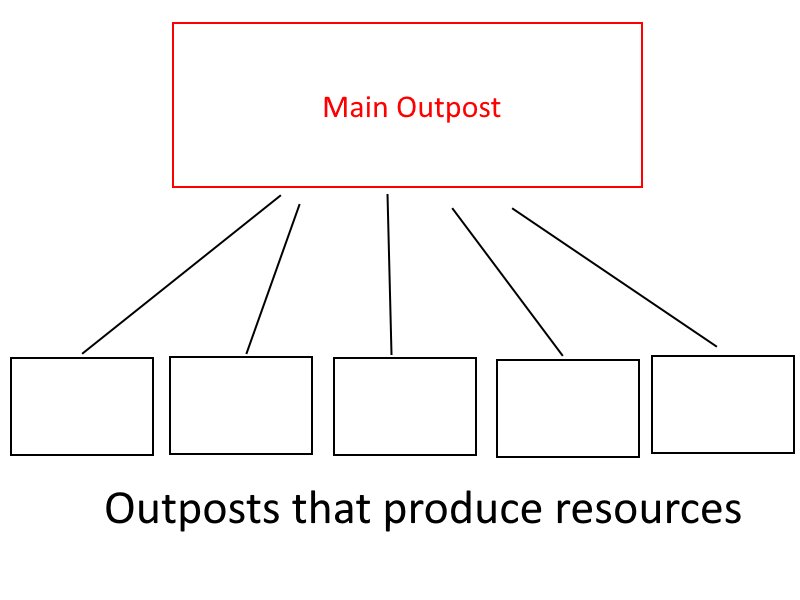
Outposts are the best way to collect resources. When you build resource extractors, you can extract resources automatically and passively, which makes resource gathering much easier.
By understanding all the types of resources available in Starfield, you are well-equipped to explore, craft, and conquer the many worlds and challenges that the game has to offer. Happy gathering, and may your bags always be full of resources!
1 PERFECT OUTPOST LOCATION! This is the only planet you need
Final Thoughts
Starfield features numerous resource types; these include organic, inorganic, and manufactured materials. Players gather these for crafting, building, and research. Starfield what are all the types of resources consists of things like iron, aluminum, and various flora and fauna.
This wide range requires careful exploration and resource management. The game presents a complex system, so understanding the types will aid players greatly. Gathering resources effectively is crucial for progress throughout Starfield.

