
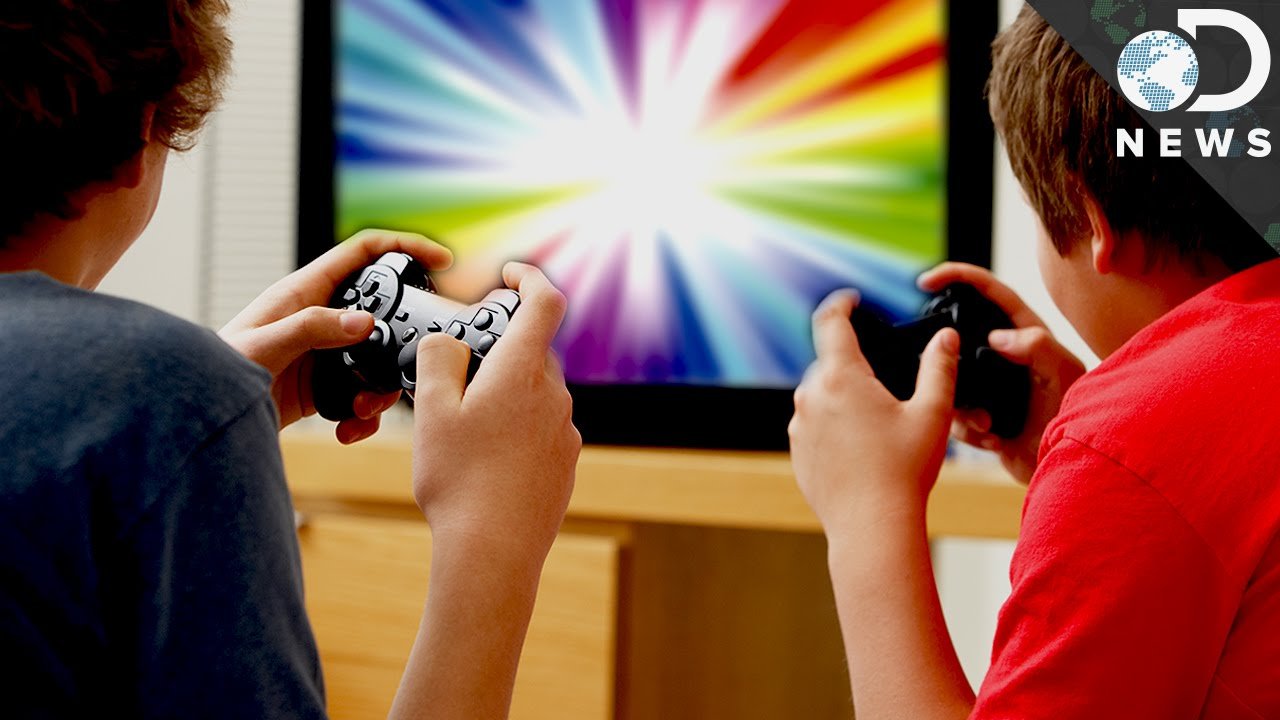
Yes, for some individuals, computer games can cause seizures, particularly those with photosensitive epilepsy.
Ever wondered about the potential health risks tied to your favorite pastime? It’s a question many gamers, and their families, have considered, specifically, can computer games cause seizures? This is not just idle concern, certain visual patterns and rapid changes in brightness within games can trigger seizures in susceptible individuals.
These specific triggers are more common with those who have photosensitive epilepsy, a condition where flashing lights or contrasting light and dark patterns induce seizures. While not everyone is at risk, it’s important to understand these potential health implications.

Can Computer Games Cause Seizures?
Computer games are super fun! They let us explore new worlds, solve puzzles, and race cool cars. But sometimes, we hear things that make us wonder if they’re totally safe. One of those things is whether playing computer games can cause seizures. That’s a big question, and the answer is a bit like a puzzle with many pieces. Let’s explore it together.
What Exactly is a Seizure?
Before we dive into games, it’s important to know what a seizure is. Think of your brain like a super computer that sends messages all over your body. Sometimes, these messages get mixed up, like a traffic jam. When this happens, it can cause a seizure.
A seizure is when your brain’s electrical activity changes suddenly and uncontrollably. This can cause your body to shake, jerk, or stiffen. You might also lose awareness or become confused for a little while. It’s important to know that not all seizures are the same; they can look different from person to person. Some people might only have a brief staring spell, while others have more obvious physical movements.
Different Types of Seizures
There are different types of seizures, just like there are different types of games. Here are a couple of the main ones:
- Generalized Seizures: These types of seizures affect the whole brain. A common type is a tonic-clonic seizure, where a person loses consciousness, their body stiffens, and then they have jerking movements.
- Focal Seizures: These seizures start in just one area of the brain. They can make a person have odd feelings, movements, or confusion, depending on the area of the brain affected. Sometimes a focal seizure can become a generalized seizure.
It’s important to remember that seizures are not contagious and they don’t mean someone is sick in the way we usually think about being sick. They are a result of changes in how the brain works.
Photosensitivity and Seizures
Now, let’s talk about the connection between computer games and seizures. The main thing we need to look at is something called photosensitivity. Photosensitivity means being extra sensitive to light, especially flashing or flickering light.
What is Photosensitive Epilepsy?
Some people have a condition called photosensitive epilepsy. This means that flickering or rapidly changing lights can trigger a seizure in them. It’s like a switch that gets flipped by certain light patterns. This condition is more common in children and teenagers, and often people will grow out of it.
How Light Patterns Can Trigger Seizures
In computer games, there are all sorts of light effects, right? Flashing explosions, rapidly changing screens, and bright colors all can be the type of light patterns that can cause problems for those with photosensitive epilepsy. The way light flickers or changes is especially important. If the flickering happens very quickly, it can be more likely to trigger a seizure. Some games even have strobe-like effects that rapidly flash different colors; these are the most likely types of visual stimulations to cause an issue.
Are Computer Games Designed to Trigger Seizures?
No, absolutely not. Game makers do not want their games to cause any harm. They know that some people are photosensitive, so they often take steps to make their games safer for everyone.
Game Industry’s Role in Preventing Seizure Triggers
Most video game companies try very hard to make sure their games don’t cause seizures. They do this in a few key ways:
- Warnings: Many games have warnings at the start that say the game has flashing lights and might not be safe for people with photosensitive epilepsy. This gives players the chance to make an informed decision before they start playing.
- Options: Some games include special options in settings that allow you to turn off flashing effects, reduce the intensity of colors, or change the display in other ways to minimize risks.
- Testing: Game developers sometimes test their games on different monitors and with different people to find out if they can be safer. They might change the color scheme or make adjustments to avoid intense flickering.
So, while computer games can have light patterns that might be a problem for a small group of people, game makers do try to minimize those dangers.
What Games Are More Likely to Cause Issues?
Some games are more likely to trigger a seizure than others, mainly because of their design. It’s not really about the type of game but more about how the visuals are. Here’s what we should look out for:
Visual Characteristics to be Aware of
Fast-Paced Action: Games with a lot of fast action often have more rapidly changing scenes. Think of racing games with speed effects or fighting games with explosive effects.
Strobe-Like Effects: These kinds of effects use rapid flashes of light, which are the most likely triggers for seizures. Imagine a disco ball effect, but in a game.
Flashing Lights and Patterns: These are common in many games. These patterns can be dangerous if they are too fast, intense, and repetitive.
Bright Colors: While bright colors themselves are not usually the main problem, when they rapidly change or combine with flashing lights, they can contribute to a trigger.
Examples of Games Where Seizures Can Occur
It’s hard to say exactly what games are “unsafe,” because every person is different. But we can look at game features that are more likely to cause a problem. Games that have lots of fast changes, flashing lights, and contrasting colors might be higher risks. Games with the features listed above should be approached carefully.
Who is Most At Risk of Having a Seizure Caused by Games?
It’s not everyone who needs to worry about computer games triggering a seizure. It’s mostly people who have photosensitive epilepsy.
Identifying Photosensitive Individuals
Personal History: If someone has had seizures triggered by light in the past, they are more likely to have a seizure related to gaming.
Family History: A family history of seizures or epilepsy could increase the chance of photosensitive epilepsy.
Age: Children and teenagers are more likely to have photosensitive epilepsy than adults.
Factors That Might Increase the Chance of a Seizure
Besides photosensitive epilepsy, other things can sometimes make it more likely for someone to have a seizure:
Lack of Sleep: Not getting enough sleep can sometimes make a seizure more likely for a susceptible individual.
Stress: Being stressed or overwhelmed could contribute to a higher risk of seizures.
Illness: Being sick can also sometimes increase the chances of having a seizure.
How Can You Stay Safe While Gaming?
Okay, so now you know what to watch out for. Here are some simple ways to stay safe while playing computer games:
Tips for Safe Gaming
Read Warnings: Always read warnings that come with games about photosensitivity. It’s there for a reason.
Adjust Settings: When a game gives you an option, adjust the settings to reduce or turn off flashing lights, strobe effects, and bright colors.
Take Breaks: Don’t play games for very long periods at a time. Take breaks every 20-30 minutes. Get up, stretch, and let your eyes rest.
Play in a Well-Lit Room: Don’t play in a dark room. The contrast between a very dark room and a bright screen can be extra tiring for your eyes.
Distance: Sit a comfortable distance from the screen. Try not to sit too close to the monitor or tv.
Monitor Your Body: If you start to feel unusual, dizzy, or have a strange visual experience while playing, stop the game and rest.
Talk to a Doctor: If you are worried about seizures or have a history of seizures, talk to a doctor or health professional.
Specific Adjustments to Gaming Setups
Screen Settings: Make sure your monitor or TV is set to the correct settings that are comfortable for your eyes, such as brightness and color settings.
Filters: Consider using screen filters that can reduce the amount of blue light coming from your device. Some devices have built-in settings for this.
Ambient Lighting: A soft light behind your monitor can help reduce eye strain and make the game experience more comfortable.
When to Seek Medical Help
Knowing when to seek help is very important. If you or someone you know experiences a seizure or anything unusual when playing a game, it’s crucial to get professional help.
Recognizing Seizure Symptoms
If you see any of the following, it might be a seizure:
Uncontrollable shaking or jerking
Stiffness of the body
Loss of consciousness or awareness
Staring spells or vacant looks
Confusion or strange feelings
What to Do if You or Someone You Know Has a Seizure
1. Stay Calm: It’s scary but staying calm will help.
2. Protect Them: Gently guide them away from any danger and clear any objects that could hurt them.
3. Don’t Hold Them Down: Let the seizure run its course. Do not try to hold someone down during a seizure.
4. Time It: Note how long the seizure lasts. This is important information for medical professionals.
5. Turn Them on Their Side: Once the shaking stops, turn the person onto their side to keep their airway clear.
6. Call for Help: If the seizure lasts longer than 5 minutes, or if it is a first seizure, call for emergency medical help immediately.
7. See a Doctor: After any seizure, it is important to see a doctor to help figure out what happened and how to prevent future episodes.
Ongoing Research and Information
It is good to know that scientists and doctors are always learning more about epilepsy and how different things, like computer games, can affect it. Research is done every day to help better understand and prevent seizures.
Staying Informed About Latest Findings
Medical Journals: Doctors and researchers publish their findings in medical journals. You can search for terms like “photosensitive epilepsy and video games” to learn more about research.
Epilepsy Organizations: Organizations like the Epilepsy Foundation provide updated information on research, treatments, and managing epilepsy. They can be excellent resources for both medical professionals and general audiences.
Reliable Websites: Stick to well known, reliable websites when you are researching this topic. Check who is providing the information to make sure it is trustworthy.
Doctor’s Advice: If you are concerned or have specific questions, talking to a medical professional is always the most reliable source of accurate, personalized information.
So, computer games are generally safe for most people. However, for individuals with photosensitive epilepsy, some game features can trigger seizures. Understanding the risks, knowing how to play safe, and being aware of seizure symptoms are all important parts of protecting your health while still enjoying all the fun computer games have to offer. Always prioritize your health and safety, and make sure to seek medical assistance when needed.
Playing computer games should be an enjoyable activity. By being aware and taking precautions, you can have fun and stay safe. Remember to take breaks, adjust game settings, and talk to your doctor if you have any concerns. Knowledge and being cautious can help you enjoy the many worlds of video games without worry.
How Video Games Can Cause Seizures
Final Thoughts
Photosensitive epilepsy is a condition where flashing lights or patterns can trigger seizures. Certain computer games with rapid visual changes pose a risk. These games can potentially cause seizures in susceptible individuals.
While not all games trigger this, it is important to understand risk factors. Therefore, can computer games cause seizures? Yes, for some people. It is vital to moderate screen time and take breaks while gaming to mitigate this.

