
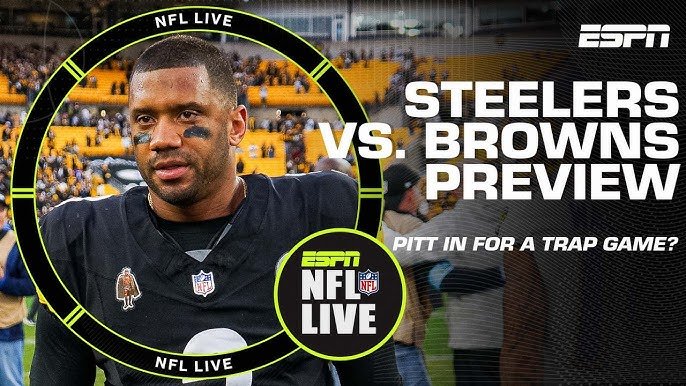
A trap game in the NFL is a game where a team, often favored, loses to a seemingly weaker opponent due to overconfidence or overlooking the match.
Ever felt that a sure victory suddenly slips away in an NFL game? That’s likely because you just witnessed what is a trap game nfl. These contests occur when a stronger team, expecting an easy win, fails to prepare properly or becomes complacent. They are often looking ahead to a tougher opponent on the schedule, leading to a surprise defeat.
These games are frustrating for fans and can have significant playoff implications. The underdogs, meanwhile, often bring a ton of energy. This creates the perfect recipe for an upset.

What is a Trap Game in the NFL?
Okay, let’s talk about something that makes NFL Sundays extra interesting: the trap game. You might hear sports commentators or your football-loving friends mention it, but what exactly is it? A trap game isn’t about actual traps on the field! It’s more about a team falling into a tricky situation because they’re not focused on the game at hand. It’s like a sneaky trick the schedule plays on a team, leading to a possible upset.
The Psychology Behind a Trap Game
At the core of a trap game is the idea of looking past the next challenge. Imagine a team has just won a huge game against a big rival. They are feeling great, maybe even a bit too confident. Then, the next week, they’re playing a team that isn’t considered as strong. This is where the trap is set. Players might unconsciously think, “Oh, this will be easy,” and they don’t prepare as seriously or play with the same intensity as they did the week before.
Emotional Letdown
After an emotionally charged game, there’s a natural drop in excitement. This emotional letdown can make it harder for a team to get hyped up for a seemingly less important game. They might still show up physically, but their mental game might not be as sharp, and that’s the perfect setup for an upset.
Underestimating the Opponent
Sometimes, teams will focus so much on their big rivals or playoff games, that they start to overlook the teams that are lower in the standings. They might not study the game film as carefully or put in the extra effort during practice. This attitude can be very dangerous, because even a team with a poor record has talented players who are hungry for a win.
Factors That Create a Trap Game
There isn’t a single perfect formula for what makes a game a trap game. It’s more of a mix of things that can lead a team to be less prepared. Here are some of the most common factors:
- Coming off a Big Win: As discussed, a big victory can lead to overconfidence and a lack of focus.
- Looking Ahead to a Big Matchup: If a team is playing a huge rival the following week, they may not give their current opponent their full attention.
- Playing a Lower-Ranked Team: Games against teams with losing records are often seen as “easy wins,” making a team susceptible to a trap.
- Travel and Logistics: Long trips and back-to-back road games can wear a team down both physically and mentally, making them more likely to make mistakes.
- Divisional Games: Even if one team is clearly better, divisional games are often closer and more intense, so they can become trap games if the stronger team isn’t prepared.
- Early Games After Night Games: Playing an early game right after a late game the week before can be a tricky adjustment.
- Weather Conditions: Games played in difficult weather can be unpredictable and make it harder for teams to execute.
Identifying Potential Trap Games
So, how do you spot a potential trap game? It takes some understanding of how teams think and react. It’s not always obvious, but there are clues. Here are some ways to figure out if a game might be a trap:
Analyze the Schedule
Take a good look at a team’s schedule. Do you see a game against a weaker opponent wedged between two big matchups? Is there a tough travel schedule? These are classic signs of a possible trap game.
Consider Team Dynamics
Think about the team’s recent performances. Are they coming off a huge win? Are they known to get complacent sometimes? Teams with these tendencies are more prone to fall into trap games.
Pay Attention to the Media
Listen to what the sports analysts and commentators are saying. Are they talking about how easy the upcoming game seems? Are they focusing more on the future matchup? If so, then that game could be a trap. When the media hypes a team, it can make the fans (and even the players) overconfident. This overconfidence can turn games into a trap.
Look at the Underdog’s Motivation
How might the underdog team approach the game? Do they have something to prove? A team with nothing to lose can be very dangerous. They can play with more passion and less pressure, which can lead to surprises. Look for matchups where the underdog team might have a real reason to show up big.
Examples of Trap Games
Let’s look at some examples from real NFL history. This will help you understand what a trap game looks like in action:
The Case of the Overconfident Favorite
Imagine a top team wins a thrilling game against their biggest rival. They celebrate hard, maybe they even make the news for their victory. The next week, they’re scheduled to play a team with a poor record. Everyone expects an easy win. However, the top team doesn’t put in the same effort or mental focus, and they get upset by the underdog. This is a perfect example of the trap game.
The Look-Ahead Game
Another scenario is where a strong team is about to play a huge game against a very well known rival but have a weaker team up next. All the talk is about the huge game that’s coming up. Players might have their minds on that future game, rather than focusing on the current opponent. This lack of focus can lead to mistakes and an unexpected loss.
Travel and Time Zone Trap
A team might have to travel across the country to play an early game after having played a late game on the East Coast. The team may be worn out physically and struggle to perform at their best, making them vulnerable to an upset. They might have issues with their bodies adjusting to the new time zone or the early schedule.
Divisional Rivalries
Divisional games are always competitive and physical. Even when a team is a significant favorite, a game against a divisional rival after big wins can become a trap if they underestimate their opponent’s intensity. Divisional games can become trap games when one team is highly rated, but they face a team that already knows their strategies well and will play with passion and determination.
Why Trap Games Matter
Trap games aren’t just about the fun of an upset. They can have real consequences for a team’s season. Here’s why they are so important:
Impact on Playoff Hopes
Losing a game that you were expected to win can ruin a team’s playoff chances. One unexpected loss can make it harder for a team to get a good spot in the playoffs or to even make the playoffs at all. These losses can result in a team missing the playoffs or not getting home field advantage.
Momentum Shifts
A trap game loss can ruin a team’s momentum. It can make them start doubting themselves and have a negative effect on the team’s attitude. The loss can create a sense of negativity and cause players to lose faith in their capabilities.
Learning Opportunity
Even though they’re bad for the team in the moment, trap games can teach teams important lessons. Players learn to be more focused and respect every team, no matter their record. It teaches them to always come prepared and not overlook any opponent. It can help them become a better and more consistent team overall.
How Teams Avoid Falling into the Trap
So, how do teams avoid falling into these trap games? It’s not always easy, but here are a few things they can do:
Focus on the Present
Coaches often tell their teams to focus on the present. Instead of thinking about next week’s matchup or dwelling on the previous week’s win, the team should focus on the game they are playing this week. Coaches try to instill a mindset of taking every game seriously. They emphasize that every game is an opportunity and that they can not overlook any opponent.
Treat Every Opponent the Same
The best teams treat every opponent like they are the best team in the league. This means studying them carefully, putting in the same amount of effort and respecting the fact that any team can cause problems. They don’t look at the team’s record but look at what the team can do on the field. This includes studying videos of past games and designing a strategy to deal with specific players.
Maintain High Intensity
A team should always maintain high intensity in practice and during the games. Teams work to keep their focus and energy at a high level at all times, and this includes mental and physical focus. Maintaining their intensity helps them get into the habit of playing hard no matter the situation.
Leadership
Team leaders help maintain focus and enthusiasm. Leaders also set an example by working hard and staying focused on the present game. They make sure everyone on the team understands how important every game is, and how they need to approach every team equally.
Don’t Get Overconfident
Teams and coaches know that overconfidence can lead to mistakes. Teams work to avoid letting any big wins go to their heads and teach players that it’s important to stay humble. They remind the players that even if they are favored in a game, they still need to play at their best to win.
The Fun of the Unexpected
While trap games can be frustrating for fans of the favored team, they are also part of what makes football exciting. They remind us that anything can happen on any given Sunday and that it’s not over until the final whistle. The possibility of a trap game keeps everyone on their toes and reminds us that even the strongest teams can make mistakes. They add an element of surprise and can sometimes make a normal regular season game memorable.
Trap games are a fascinating part of the NFL landscape. They’re about so much more than just winning or losing; they reveal the mental and emotional side of sports. It shows us that focus, preparation, and respect for every opponent are key to success. Understanding what a trap game is can make watching football even more interesting. You’ll start seeing how different factors can come together to make an upset more likely and even more predictable.
Anatomy of a Play: Trap Play
Final Thoughts
A trap game in the NFL occurs when a team, often favored, plays against a perceived weaker opponent. The favored team might overlook the game, focusing instead on future tougher matchups. This mindset can lead to complacency and an unexpected loss.
Teams can fall into trap games due to factors like travel, injuries, or simply underestimating an opponent. When a team doesn’t prepare adequately, the result can be a surprising upset. Therefore, what is a trap game nfl? It’s a dangerous situation for the favorite and an opportunity for an underdog to steal a victory.

