
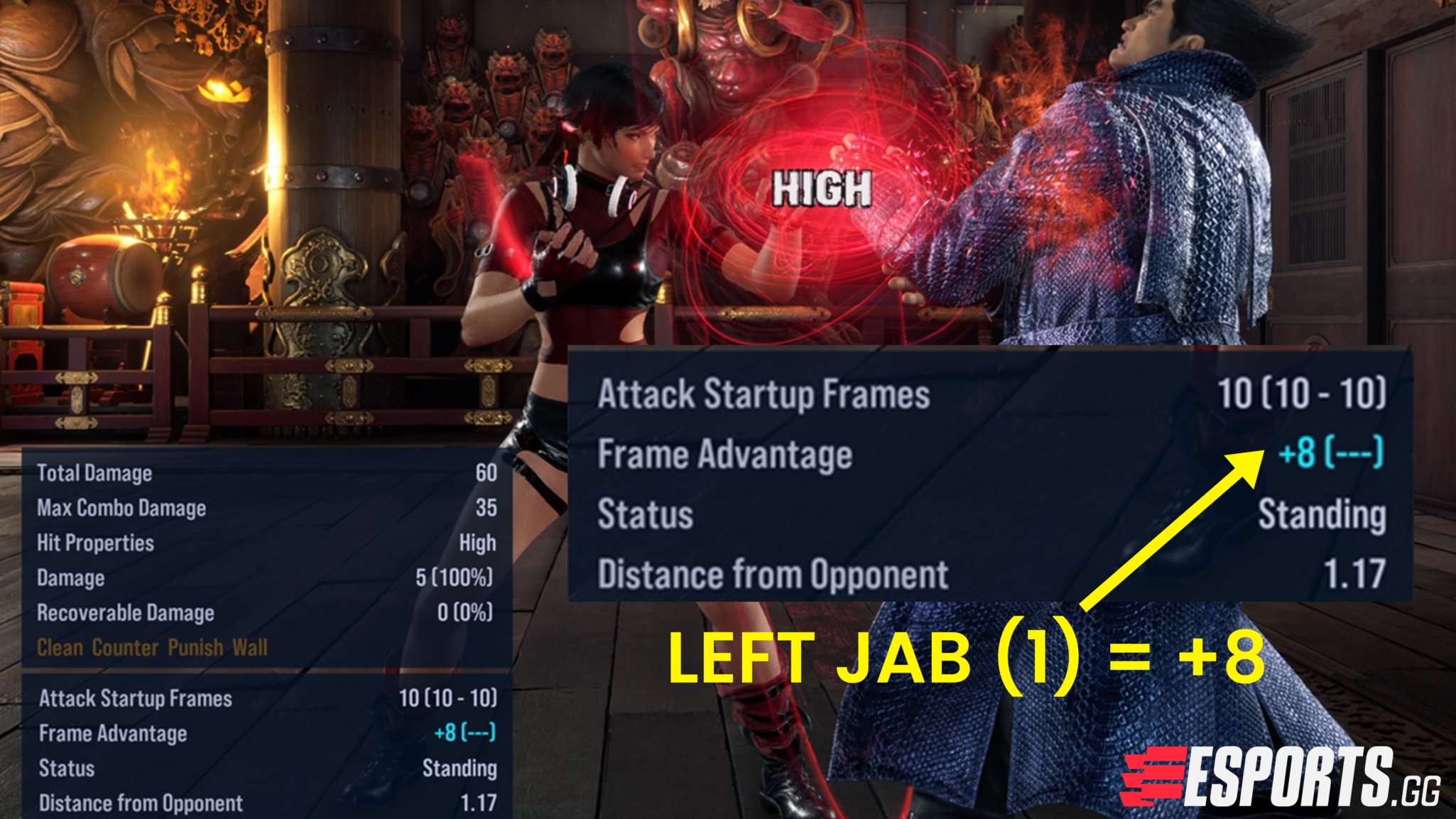
Tekken 8 character recovery frames determine how quickly a fighter can act after completing a move, significantly impacting offense and defense.
Ever wondered why some players seem to move so fluidly in Tekken 8? A key part of the answer lies in understanding Tekken 8 character recovery frames. These frames dictate the window of vulnerability after a character performs an action.
Knowing the specifics of these frames helps you anticipate opponent actions and create openings for your own attacks. This knowledge is essential for effective gameplay. It’s one of the core mechanics every Tekken player should understand to play better.

Tekken 8 Character Recovery Frames: A Deep Dive
Alright, Tekken fans! Let’s talk about something that’s super important but often gets overlooked: recovery frames. You might be thinking, “Recovery frames? What are those?” Well, imagine you’re swinging a baseball bat. After you swing, there’s a moment where you’re not ready to swing again. That’s kind of like recovery frames in Tekken 8. They’re the moments after a move when your character is vulnerable before they can do something else. Understanding these frames can truly separate a good Tekken player from a great one. We will explore exactly what they are, why they matter so much, and how you can use that knowledge to get better at Tekken 8.
Understanding the Basics of Recovery Frames
In simple terms, recovery frames are the period of time after your character performs an action, like a punch, kick, or throw, when they can’t immediately block or perform another action. Think of it like a short pause. If your opponent does a move and you try to attack them immediately during their recovery, your attack will connect! This is how you can punish your opponent for making mistakes, because they’re temporarily unable to defend themselves. Every move in Tekken 8, from the fastest jab to the most powerful rage art, has its own specific number of recovery frames. Some moves have very few, making them safer to use, while others have a lot, leaving you open to punishment. Knowing which is which is part of the strategic depth of the game.
Startup Frames vs. Recovery Frames
It’s important to not confuse recovery frames with startup frames. Startup frames are the time it takes for a move to begin its action. Think of it like the wind-up before your baseball bat actually hits the ball. For example, a jab might have very fast startup frames, whereas a big, strong kick will probably have slower startup frames. Recovery frames are what happens after the attack hits (or misses) and this is when you are vulnerable. Both are important, but they’re two separate things to keep in mind. It’s crucial to understand them both if you intend to level up your play.
Why Recovery Frames Matter So Much
If you’re playing Tekken 8 and want to be truly good, you have to think about recovery frames. Ignoring them is like driving a car without knowing how the brake works. You’ll probably crash into things. Here are a few reasons why these frames are so vital:
- Punishing Opponents: This is probably the biggest reason to understand recovery frames. When your opponent does a move with lots of recovery frames, you get a chance to hit them without them being able to defend themselves. It’s like they’ve left themselves open for a free shot.
- Playing More Safely: Knowing which of your moves have long recovery frames will help you avoid getting punished by your opponents. You’ll start using moves more strategically rather than just mashing buttons and hoping for the best.
- Improving your Offense: Recovery frames are the backbone of offense. Creating situations where your opponent is in recovery and you can apply pressure is the name of the game. Good offense revolves around setting up your opponent to make errors, so you can capitalize on their recovery with well timed attacks.
- Improving your Defense: It’s not just about what happens when your opponent is recovering. By understanding what moves have long recovery frames, you can learn to avoid the situations where you are recovering, so you’re less open for punishment.
Analyzing Frame Data: How to Find Out Recovery Frames
Okay, so how do you figure out how many recovery frames a move has? This is where “frame data” comes into play. Frame data is a very technical breakdown of each move, showing everything from startup frames to hit advantage to, yes, recovery frames. It’s not printed in the game menus, and it’s one of the many things players have to learn outside of the game. Here are some ways to access frame data:
- Online Resources: There are a number of fantastic websites and resources which collect and present this information to you. Many include all the frame data for every character in the game. Some of the well known and highly regarded websites include rbnorway.org and others, which are updated each time the game patches.
- Community Discord Servers: Many Tekken communities on Discord also collect and update frame data information. These channels often include people who have deep knowledge of the game and are willing to share it. You can usually find the discord server of specific characters or groups of characters.
- Youtube Video Guides: There are a number of content creators making great videos which discuss frame data for each character in Tekken 8. Watching videos like this can make the information more easy to understand and absorb.
It can be intimidating to look at frame data tables initially, but it is not as complicated as it first seems. Each number indicates how many frames long a specific phase of an attack lasts, whether it’s the startup, the hit, or the recovery. With a little practice, you’ll learn how to interpret the data and start using it effectively.
Common Recovery Frame Scenarios
Let’s take a look at a couple of example situations where recovery frames are really important:
The Whiff Punish
Imagine your opponent does a big, slow attack that misses you completely. This is what players call a “whiff”, because the attack didn’t connect with anything. A missed attack that has high recovery will leave them vulnerable. You can exploit this by attacking during the time when they are recovering, and this will guarantee you a successful hit. This is called a “whiff punish”. It’s a core part of Tekken, and learning to whiff punish is a key to success.
Moves on Block
Blocking is a key part of defense. However, not all moves are safe to use on block. Some moves, when blocked, leave the attacker in a long recovery phase and open to punishment. Other moves are much safer, allowing the attacker to follow up quickly. Understanding this difference will help you be less predictable in the attacks you choose.
The Power of Low Attacks
In Tekken 8, low attacks can be very powerful because they need to be blocked by doing a ‘low block’ which is different to normal ‘high block’. However, low attacks also have higher risk, because they tend to have higher recovery times than a mid or high attack. Because low attacks can be ducked, and punished easily, the risk and reward is very high. If you know the specific recovery frames of all low attacks, you can punish low attacks that whiff, as well as punish low attacks that are blocked.
Learning Through Practice
Okay, reading about recovery frames is one thing, but how do you apply this knowledge in the game? Here are some simple tips to help you get going.
Start Small
Don’t try to memorize all the frame data for every character all at once. Pick one or two characters to focus on, and start by understanding the recovery frames on their most common moves. Focus on just a few key moves and learn what works and what does not. Learn which moves are punishable and what moves are safe. It might take some time to learn the nuances, so patience is the key.
Use the Practice Mode
Tekken 8’s training mode is your best friend. Use it to test out moves and see how long it takes you to recover after using them. Practice using moves, and then trying to punish yourself during recovery so that you can internalize the timing of your moves. Experiment with different types of attacks, and get used to seeing your character when it is recovering.
Watch Pros Play
Watching professional Tekken 8 players is a good way to see how frame data is used in real matches. Pay attention to how they punish their opponents and how they avoid being punished themselves. Try to spot the moments when your favorite players use frame data to their advantage. Try to think of specific situations where you see a player get punished, and figure out which move they used that put them at a disadvantage.
Practice Against Other Players
The real test of your knowledge is when you are playing against other people. Remember that each time you play online or with friends you will gradually improve, as the more you play, the more you’ll get used to seeing recovery frames in real-time and you’ll learn to react to them.
Advanced Techniques and Strategy
Once you have a good grasp of the basic ideas, you can start using frame data to do more advanced things. Here are a couple of things to consider:
Frame Traps
A “frame trap” is where you make a move that might look punishable, but you do another move just before your opponent can punish you. You bait your opponent into making a move with a slow start up time, and you punish them for trying to counterattack you. This forces them to respect your attacks and adds an extra layer of strategy to your play.
Spacing and Movement
Frame data is not just about attacks. It also applies to moving around the stage. Some dashes or jumps have a lot of recovery frames, leaving you vulnerable. Good movement and spacing is essential to avoid getting punished.
Character Match Ups
Every character in Tekken 8 is a little different, and some will be easier to punish than others. By taking the time to learn the frame data of each character, you can better understand which match ups favor your characters. Some moves that work very well against a specific character might not work against others. For this reason, you need to have a solid grasp of the strengths and weaknesses of all characters.
Important Terms Related to Frame Data
When learning about frame data, there are a few terms that you’ll likely see regularly. It is important to understand them.
Plus on Block
A move that is “plus on block” gives you an advantage when your opponent blocks it. This means that, when blocked, your character will be able to move or attack again slightly before the blocking opponent. A plus-on-block move puts your opponent under pressure and will restrict the options available to them. A move that is plus on block can often force your opponent into making a mistake.
Minus on Block
A move that is “minus on block” puts you at a disadvantage if blocked. Your character will be able to move slower than the blocking opponent, and this often will put you in danger of getting punished. If you are minus on block, you may need to play more defensively, or to mix up your approach.
Advantage on Hit
The advantage on hit is how many frames an attack gives you over your opponent if you land the attack successfully. If a move is plus on hit, you can immediately follow it with another attack or special action. In this instance, your opponent must defend, or risk getting punished for trying to attack at the same time.
Safe Moves
A safe move is an attack that is difficult to punish when blocked. Safe moves can be used more often than unsafe moves, because the risk of retaliation is low. However, safe moves often do not have as much power or impact, so learning to mix safe and unsafe moves is key to being unpredictable.
Unsafe Moves
An unsafe move is an attack that has a long recovery phase, and when it is blocked, the opponent will be able to punish it. Learning to understand unsafe moves will help you be less predictable in your attacks, because a good opponent will punish you if they see you using them too often.
The Importance of Constant Learning
The world of Tekken 8 is always changing. Characters might get balance changes, new characters might be added, or new techniques may be discovered. This means that there’s always something to learn. If you’re serious about getting better, remember that understanding recovery frames is not just a single lesson you learn once, it’s something that you have to constantly practice and revisit.
Recovery frames are a complicated topic, but they are essential to becoming a good Tekken 8 player. By taking the time to understand the basic principles and continually practicing, you’ll quickly improve. Remember not to get overwhelmed and to break it down into small chunks. Focus on one character and practice, then take a break, and repeat. You’ll improve over time! Happy fighting!
What Tekken 8 Doesn't Tell You About Frame Advantage
Final Thoughts
Understanding Tekken 8 character recovery frames is crucial for competitive play. Shorter recovery allows for quicker follow-up attacks and punishes. These frames dictate your character’s vulnerability after an action.
Learning specific recovery values for each character gives you a significant edge. This detailed knowledge enables better pressure and defense in matches. Analyzing these frames becomes a vital skill.
Consequently, dedicated practice and frame data study lead to improvements. Knowing your character’s recovery frames improves your game. Remember, efficient usage of Tekken 8 character recovery frames helps you dominate.

