
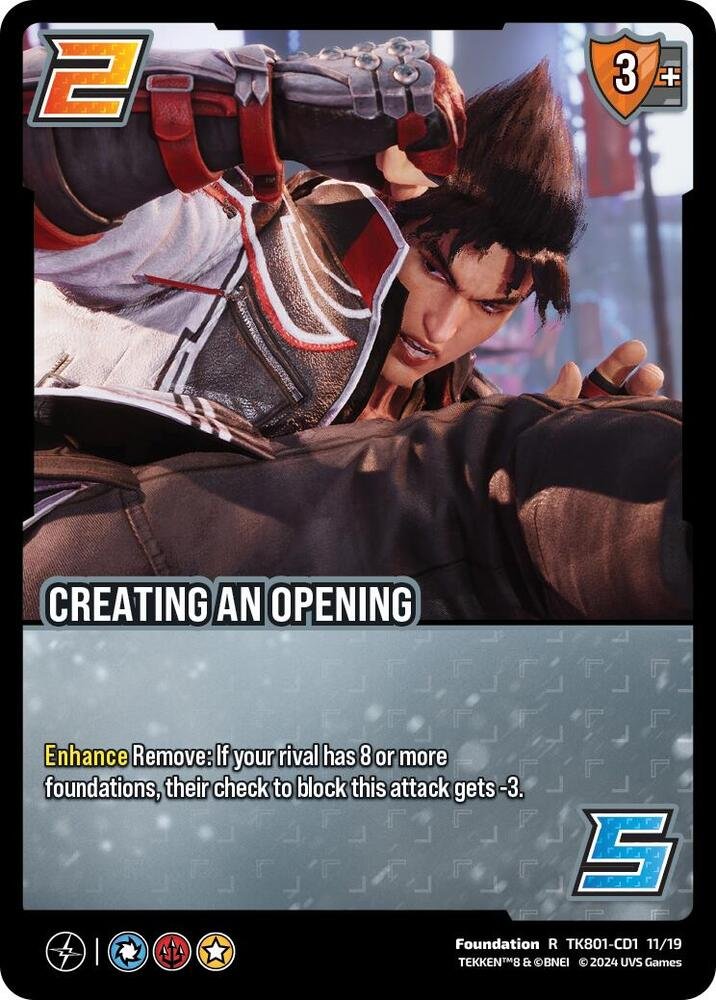
Tekken 8 creates openings for attacks through deliberate use of frame advantage, whiff punishing, and exploiting movement weaknesses in an opponent’s play.
Have you ever felt like your attacks in Tekken 8 were just bouncing off your opponent’s guard? It’s a common frustration, but the key lies in understanding how Tekken 8 creating openings for attacks actually works. The game rewards patience and observation; it’s not just about throwing out strings of moves randomly.
Effective offense comes from forcing mistakes. Opponents leave gaps in their defense by either whiffing moves or getting caught with frame disadvantage. Recognizing and capitalizing on these situations is key to landing your hits. This awareness will help you become more formidable.

Tekken 8 Creating Openings for Attacks
Tekken 8 is a fast-paced fighting game where knowing how to create opportunities to hit your opponent is super important. It’s not just about button mashing; you need to think about how to make your opponent mess up so you can land your powerful blows. This article will guide you through some key ways to create attack openings in Tekken 8.
Understanding the Core Concepts
Before we dive into specific techniques, let’s talk about the basics. In Tekken, you’re constantly dealing with a few things: your own attacks, your opponent’s attacks, and movement. Creating openings means making your opponent vulnerable, either by forcing them to do something predictable or by taking advantage of their mistakes. Think of it like a chess game; you’re not just moving pieces, you’re trying to set up situations where your opponent makes a move that allows you to win.
The Rock-Paper-Scissors of Tekken
Tekken combat has a bit of a “rock-paper-scissors” dynamic. This means that certain types of moves can beat other types of moves. Here’s a simplified breakdown:
- High Attacks: These are generally fast but can be ducked (crouched under).
- Mid Attacks: These are the most common and usually cannot be ducked, but they can be blocked standing or low.
- Low Attacks: These hit low, forcing your opponent to block low, but they can be stepped (sidestepped) or jumped over.
- Throws: These cannot be blocked but can be broken if timed correctly.
Understanding this basic structure is key because your goal is to use moves that force your opponent to react in a way that makes them vulnerable to your next attack. For example, if they keep trying to duck your high attacks, you might try a mid attack to catch them off guard.
Using Movement to Create Openings
Moving around in Tekken isn’t just for looking cool; it’s a crucial part of creating openings. Good movement makes it harder for your opponent to predict your actions and gives you a better chance to attack.
Sidestepping and Sidewalking
Sidestepping and sidewalking are super important. They let you dodge linear attacks (attacks that go straight forward) and can make your opponent whiff (miss their attack). If an opponent throws out a predictable, linear move, step to the side. This gives you a chance to punish them with an attack while they’re recovering from their missed attack. Sidewalking is like walking to the side, which can make you harder to hit as well.
Backdashing and Forward Dashing
Backdashing helps you create space and evade attacks, giving you time to think or to create opportunities to counter attack. If you notice your opponent is always attacking when you are close, try back dashing to create some distance and bait their attacks, leaving them open to your attacks. On the other hand, forward dashing can close the distance quickly and let you apply pressure on your opponent.
Utilizing Movement Effectively
Effective movement is about mixing up your directions and the timing of your movements. Don’t just move back and forth; try combining sidesteps with backdashes, forward dashes with sidesteps, and so on. This unpredictability makes it harder for your opponent to find the opening to attack you, and creates openings for you to attack. Practice movement so that it becomes second nature.
Pressure and Offense
Being on the offensive and applying pressure can make your opponent make mistakes. But don’t be reckless; you need to be smart about it.
Mix-Ups
Mix-ups are all about confusing your opponent. The goal is to make them guess incorrectly on how to block. Here are some ways to mix up your attacks:
- High/Low Mix-Ups: Alternate high and low attacks to make your opponent guess whether to block standing or crouching.
- Mid/Throw Mix-Ups: Mix mid attacks with throws. If they are always blocking, a throw will work. If they try to throw break often, then use your mid attack.
- Fast/Slow Mix-Ups: Combine fast jabs with slower, more damaging attacks to throw off your opponent’s timing.
The more your opponent has to think about how to block, the more likely they are to make a mistake, creating an opening for you to do more damage.
Frame Traps
Frame traps are a bit advanced, but they’re very useful. A frame trap uses the recovery frames of your move to catch your opponent’s retaliation and punish them for it. When you block or attack your opponent on block, they are locked in a recovery animation which gives you time to either move again or do another attack before them. You can use these recovery time windows to set up attacks that leave them vulnerable.
Punishing Whiffs and Blocked Attacks
When an opponent’s attack whiffs (misses), that’s a perfect chance to attack. The same goes for blocked attacks. Many moves leave your opponent vulnerable if they’re blocked. Learning to quickly recognize and punish these openings is a big part of getting good at Tekken 8. You need to practice this recognition so you can react without thinking.
Defense and Reading Your Opponent
Creating openings isn’t just about your attacks; it’s also about how well you defend and understand your opponent.
Blocking and Parrying
Blocking is fundamental in Tekken 8. Understanding how to block high, mid, and low attacks is crucial. Parrying is a more advanced defensive technique. A well-timed parry stops an attack and lets you counter attack.
Reading Your Opponent’s Patterns
Every player has their habits. Some people love to spam certain moves, some people always duck, some people backdash all the time. Pay attention to how your opponent plays. If you can recognize their patterns, you can predict their moves and create opportunities to attack or punish their predictable patterns.
Patience and Baiting
Sometimes, the best tactic is patience. Don’t rush in. Try baiting your opponent into doing something predictable. For example, you can intentionally back away and see if they follow you with an unsafe attack, or stand still in your opponent’s face to see if they’ll try to throw you. When you see what they tend to do, you can capitalize on that. These behaviors make your opponent vulnerable to your plan.
Character-Specific Strategies
Each character in Tekken 8 has different moves and tools. Some characters are good at applying pressure, while others are better at playing defensively. It is very important to understand your chosen character’s strengths and weaknesses, as this will impact the way you create openings. Here are a few examples:
- Aggressive Characters: Characters with strong offensive tools like fast attacks and mix-ups. You can use pressure to force your opponent into making mistakes.
- Defensive Characters: Characters with good counters, parries, and evasive tools can lure your opponent into making unsafe moves, which they can then punish.
- Well-Rounded Characters: Characters that can do both offense and defense. Learning to shift between these strategies is important for playing these characters well.
To learn more about your character, try online guides and tutorials. There are always people on the internet who have spent a lot of time with particular characters and their playstyle, and many of them will write about it to teach others. Experimenting with different moves and strategies in practice mode is also very important.
Practice and Training
All this information is great, but it’s worth nothing without practice. Consistent training is key to getting better at creating openings. Here’s how you can train:
- Practice Mode: Spend a lot of time in practice mode. Test out different moves, learn combos, and work on movement.
- Record and Replay: Use the record and replay functions to analyze your gameplay. See what openings your opponent is creating, and think about how you can do the same.
- Online Matches: Play online against other players to test your skills. Don’t be afraid to lose; losing is part of the learning process.
Most importantly, make sure you’re consistent in your practice. This means setting aside time every day or every week to work on your skills. Even 30 minutes of focused training is more effective than longer but less focused sessions. When you’re practicing, don’t just go through the motions, try new things and try to understand what you’re doing, and why.
The Mental Game
Tekken is not just about the moves, it’s about the mental game as well. Keeping your cool under pressure and adapting to your opponent is an important aspect of the game. If you start to get mad or frustrated, it will be harder to play well. Recognize when you’re getting frustrated and take a short break or a deep breath before continuing to play. Staying focused and calm will help you see openings you might otherwise miss. You need to also be confident in your decisions. Don’t hesitate or second guess yourself.
Advanced Techniques
As you play the game, you’ll start to notice other techniques that help you create openings, here are some of them:
- Spacing: Spacing is about maintaining the right distance from your opponent. If you’re too close, you can easily get thrown or pressured. If you’re too far, you might not be able to punish your opponent.
- Conditioning: This technique is all about using your opponent’s habits against them. If you notice your opponent is always trying to block, try throwing them. If they start breaking throws, use your mid attacks. The goal is to condition your opponent into doing what you want them to do.
- Okizeme: Okizeme (wake-up game) happens when you knock down your opponent. While they’re getting up, you have opportunities to apply pressure or use a mix-up. If you practice your okizeme game, you will be able to keep constant pressure on your opponents even when they’re getting up.
In Tekken 8, creating openings is a complex process. It requires understanding the game’s systems, your character, and your opponent. With practice and patience, you’ll become better at identifying opportunities to attack and dominate your opponents. The key is to constantly improve, observe, and adapt. Remember, every player is different, and finding ways to exploit their habits is what will make you a better Tekken 8 player.
A simple method for KBDs #HitBox #HowToHitBox #TEKKEN #Tekken7 #SOCD
Final Thoughts
Tekken 8’s gameplay revolves around creating openings for attacks. New mechanics and aggressive systems force players to commit, exposing vulnerabilities. Players can capitalize on these moments with strong offensive moves.
The game encourages active playstyles. This design choice means players must think ahead. Tekken 8 creating openings for attacks becomes a core strategy.

