
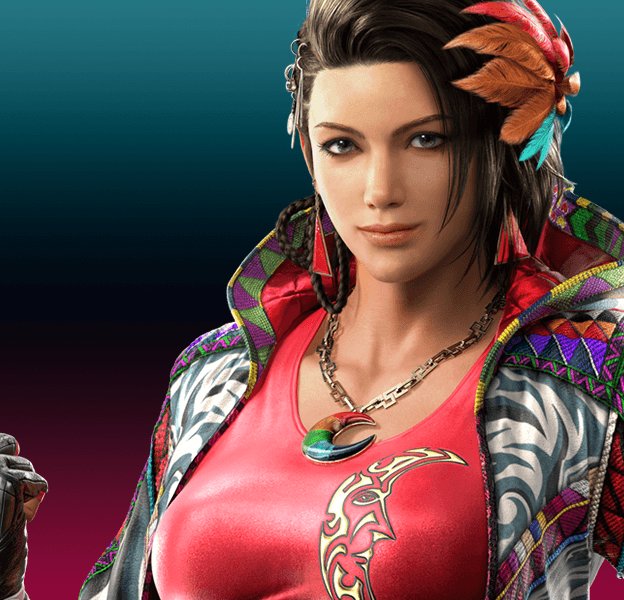
Optimizing Tekken 8 frame data involves learning move properties, practicing execution, and adjusting strategies based on the data to gain a competitive advantage.
Understanding frame data is crucial for winning in Tekken 8. It dictates which moves are safe, punishable, and create offensive opportunities. This knowledge allows players to build stronger attack and defense strategies, so improving your overall performance.
Tekken 8 frame data optimization is not just about memorizing numbers; it’s about applying that knowledge in real matches. You must learn when to use a specific move or to avoid another and this makes a significant difference in winning matches. Proper understanding can improve your chances drastically.

Tekken 8 Frame Data Optimization: A Deep Dive
Okay, so you’re playing Tekken 8, right? You’re throwing out moves, getting hit, maybe winning some, maybe losing more. But have you ever felt like you’re just a tiny bit behind? Like your punches are always a fraction of a second too late, or you’re getting smacked before your block even registers? That’s probably because you need to understand frame data. Think of frame data as the secret code that tells you exactly how fast every single move in Tekken 8 is. Learning it can seriously level up your game!
What Exactly is Frame Data?
Let’s break it down super simply. Imagine a movie – it’s made up of tons of still pictures shown one after another. These still pictures are called frames. In Tekken 8, the game also runs in frames. Each frame is a tiny slice of time, typically 1/60th of a second. Frame data tells you exactly how many of these tiny slices of time it takes for a move to start up, hit your opponent, and recover.
Understanding this lets you know which moves are quick, which moves are slow, and most importantly, when you have an opening to strike back or defend! It’s like having the blueprint to your character’s fighting style. Without this knowledge, you’re basically just guessing, and guessing usually gets you beat!
Key Terms to Know
Before we dive in further, it’s important to understand some basic frame data terms:
- Startup Frames: These are the frames it takes for a move to begin hitting your opponent. It’s the time between pressing the button and the attack actually doing damage. The lower the number of startup frames, the faster the move.
- Active Frames: This is the time when the move can actually connect with an opponent. Think of it as the time the punch is “out there” and dangerous.
- Recovery Frames: These are the frames that happen after the active frames when your character is vulnerable. If your move hits or misses, you are in recovery before you can act again. The lower the recovery frames, the sooner you can move or block after your attack.
- On Hit Advantage/Disadvantage: This indicates how many frames ahead or behind you are if a move connects with your opponent. A positive number means you’re ahead and can act first. A negative number means you’re at a disadvantage and your opponent will act before you.
- On Block Advantage/Disadvantage: This is similar to on hit, but it tells you how many frames ahead or behind you are if the opponent blocks your attack.
Why Frame Data Matters in Tekken 8
Frame data knowledge isn’t just for pros. It’s actually super helpful for anyone looking to improve. Imagine you’re trying to interrupt your opponent’s move. If you pick a move that’s too slow, they’ll hit you first. But if you pick a move with fast startup frames, you can stop their attack and land your own. That’s the power of frame data!
- Punishing Whiffs: When an opponent throws a move and it doesn’t hit you, they enter recovery frames, making them vulnerable. If you know which moves recover slowly, you can counter with a quick attack. This is called a “punish.”
- Creating Openings: If you know that a particular move is plus on block, then it means that if your opponent blocks that move, then you’re in an advantageous state and can act first. This allows you to mix up your offensive options and force your opponent to guess.
- Better Defense: Knowing which of your opponent’s moves are unsafe on block allows you to retaliate effectively. For instance, if you block a move that leaves them at a big disadvantage (-10 or worse), then you get a guaranteed punish.
- String Knowledge: Many Tekken characters have move strings (sequences of moves). Understanding the frame data of each move in a string lets you figure out where gaps exist that can be interrupted.
- Effective Mix-ups: Mix-ups are when you use a variety of attacks to keep your opponent guessing. Frame data allows you to plan effective mix-ups based on the speed and recovery of your chosen moves.
Accessing Frame Data
Okay, so how do you actually get all this information? Tekken 8, like most modern fighting games, doesn’t display frame data in-game. Here are the common ways players access this data:
External Resources
- Frame Data Websites: A lot of smart players spend time compiling frame data for each move of each character. Websites like rbnorway.org are a great resource. These sites display the detailed information in an easy to understand format.
- Community Resources: The Tekken community is very helpful. There are often spreadsheets and charts compiled by other players and shared online. Check out forums, Discord servers, and Reddit threads.
- Training Mode Apps: Some 3rd-party developers also create apps that overlay frame data on your game screen. These are helpful in live practice sessions.
Practical Application: Putting Frame Data to Work
Reading numbers on a website is one thing. Actually using that data to win fights is another! Let’s talk about some practical ways to apply this information:
Analyzing Your Character
Start with your main character. Instead of trying to learn every single move, focus on a few key moves you use frequently.
- Identify your fastest moves: Which moves come out the quickest? These are your go-to moves for interrupting your opponent’s attacks.
- Learn your “safe” moves: These are moves that don’t leave you too vulnerable on block. They can be used more often in neutral.
- Recognize unsafe moves: These moves have high recovery frames on block. You need to be careful when using them.
- Find your best punishes: Memorize the moves you can use when you see your opponent’s slow attacks.
Practice these moves in training mode. See how they feel, and how your opponents react when you use them. This repetition will build muscle memory.
Reacting to Opponents
Now let’s see how to use frame data on your opponent:
- Punish predictable moves: If you notice your opponent likes a particular unsafe move, prepare for it. When they do it, use your fastest punish.
- Exploit gaps in strings: If they’re using a string you know is unsafe or interruptable, time your interrupt and punish them accordingly.
- Pressure effectively: Use moves that are plus on block to put more pressure on your opponent.
Frame Traps: A Step Further
Frame traps are situations where you force your opponent to make a wrong move due to frame advantage. Here’s how they work:
- Using Plus Moves: You use a move that gives you a slight plus frame advantage on block. For example, if you do a move and it’s +2 on block, it means you can act 2 frames before your opponent can.
- The Setup: The move is setup for your next attack. Your opponent will usually try to push a button to hit you back.
- Catch the Response: By using a fast move, you will beat their attempt to attack and hit them first.
Thinking Beyond the Numbers
Frame data is powerful, but it’s not the only thing that matters. Here’s some context:
- Range: A move with fast startup is useless if it can’t reach your opponent. Consider the range of your moves in addition to their speed.
- Movement: You can sometimes avoid certain attacks by sidestepping or backdashing. This allows you to avoid being hit completely or even to force your opponent to whiff, opening them up for punishment.
- Match-up Knowledge: Certain characters have inherent advantages against others. Understanding these advantages in addition to frame data is important.
- Psychology: Sometimes predicting your opponent’s behavior is more important than raw speed. Use frame data to help form your strategy, but always think about how your opponent will react.
Common Mistakes and How to Avoid Them
It’s easy to get carried away with frame data, and many players make common mistakes. Here are some to be aware of and avoid:
- Over-reliance on frame data: Don’t become a robot obsessed with numbers. Frame data is a guide, not a replacement for thoughtful gameplay and adaptability.
- Ignoring spacing and movement: You can have all the frame knowledge in the world, but if you have bad spacing and movement, then it is hard to get close enough to use your moves.
- Trying to use difficult punishes: Don’t waste time trying for super difficult punishes in the middle of a fight, especially at the beginning. Focus on easier punishes first, then work up to the advanced stuff.
- Getting overwhelmed by information: Start small. Don’t try to learn every single character and move at once. Pick one character and get familiar with their moves.
- Not practicing: Knowledge is useless without practice. Spend time in training mode to get a feel for your moves and to experiment with different scenarios.
Advanced Frame Data Concepts
Ready to really get into the weeds? Here are some advanced frame data concepts for the more dedicated Tekken players:
Hitboxes and Hurtboxes
While not directly frame data, understanding hitboxes and hurtboxes greatly assists your overall frame data game. Hitboxes are areas where your character’s move deals damage to the opponent. Hurtboxes are the areas where your character can be hit by an opponent. Knowing which areas of a character are vulnerable and which are active during specific moves can help you to make better choices in battles.
Crush Properties
Some moves have “crush” properties. This means they’re able to avoid highs, lows, or mids. This can be invaluable for getting out of tight situations, or for catching your opponent trying to use predictable moves.
The Importance of Buffer
Tekken has a “buffer” system, which means you can input a move slightly before you’re technically able to use it. This can sometimes change the frame data slightly, so keep this in mind when playing. For example, this can be used to interrupt a string that normally would be impossible to interrupt.
Wall Carry Optimization
When an opponent is near a wall, you can carry them into the wall for extra damage. Understanding the frame data of your moves as you push them towards the wall will allow you to do optimal damage.
Character-Specific Knowledge
Certain characters have moves with unique frame data properties. Some characters have moves that are + on block when most similar moves are – on block. Spend the time to learn these quirks, and you will start to see success in your matches.
Frame data is a big topic, but it’s worth learning if you want to seriously level up your Tekken 8 game. It’s a deep well of information, but by starting with the basics and practicing regularly, you’ll see a major change in your gameplay. Remember, it’s about more than just memorizing numbers; it’s about understanding why those numbers matter in the heat of the fight. Keep practicing, keep learning, and have fun!
DOMINATE with SPRING KICKS: Frame Data You Need to Know | Tekken 8 #tekken8
Final Thoughts
Optimizing Tekken 8 frame data provides a significant advantage in competitive play. Understanding move properties and timings allows players to react more effectively. This knowledge enables calculated aggression and better defense.
Players who meticulously study frame data gain a strategic edge. They can punish opponent mistakes and create safer offensive opportunities. Consequently, a deeper grasp of Tekken 8 frame data optimization leads to more consistent victories.

