
The Tekken 8 games learning curve requires dedicated time to understand the intricate movement and character-specific combos.
Jumping into the latest King of Iron Fist Tournament can feel overwhelming. Many players find that the initial stages involve a period of adjustment, requiring practice with the movement system before one can start stringing together damaging moves. We will explore the nuances of Tekken 8 games learning curve evaluation, examining the different aspects that impact a player’s progression. Understanding the challenges and the pathways to improvement will assist your journey.

Tekken 8 Games Learning Curve Evaluation
Okay, so you’re thinking about jumping into the world of Tekken 8? That’s awesome! But maybe you’re also wondering, “How hard is this game going to be to learn?” That’s a totally valid question. Tekken, as a fighting game series, has a reputation for being deep and complex. This means that while it can be super fun, it can also feel like there’s a lot to take in. We’re going to break down what you can expect from Tekken 8’s learning curve and help you understand how to go from a newbie to a decent fighter.
Understanding the Basics: Movement and the 3D Plane
Before you start throwing punches and kicks, it’s super important to get comfortable with how characters move in Tekken. Unlike some other fighting games that are primarily 2D (meaning characters move left and right), Tekken uses a 3D plane. This means you can move towards the background or the foreground. Understanding this difference in movement is your first big step. It’s not just about walking forward or backward; you also have options to sidestep, which is crucial for dodging attacks and creating opportunities to hit your opponent. Think of it like dancing around your opponent, trying to get into the best position. Here’s what you should focus on when you’re just starting out:
- Basic Forward and Backwards Movement: Practice simply moving forward and backward. This might sound easy, but getting a feel for how quickly your character moves is key.
- Sidestepping: This is where things get interesting. Learn to sidestep left and right to avoid attacks. Don’t worry about being perfect at it yet, just get a feel for the button presses and your character’s movement.
- Movement Practice in the Training Mode: Don’t jump into matches right away. Spend some time in training, moving your character around and getting comfortable.
Mastering this basic movement is essential before you start attempting more complex tactics. If you’re constantly being hit because you’re moving the wrong way, it will make the rest of the game much harder. Think of it as learning to walk before you run!
The Attack System: Punches, Kicks, and Beyond
Now that you know how to move, it’s time to learn how to hit! Tekken uses a four-button attack system, usually mapped to the face buttons on your controller. These are generally your left punch, right punch, left kick, and right kick. Sounds simple enough? Well, it’s the combinations of these buttons that create the variety of attacks you’ll use. Here’s how to start wrapping your head around attacks:
- Single Button Attacks: These are your basic punches and kicks. Start by getting a feel for what each button does for your character. What does a left punch look like? How does it feel? What about a right kick?
- Basic Combos: Some basic combinations of buttons will create special moves. Try some out in the move list provided by the game. It’s good to have a few easy combos that you can rely on.
- Low, Mid, and High Attacks: Understanding that some attacks will hit high and others low or mid is vital. You’ll need to learn to block them differently. Low attacks require you to block down, while mid and high attacks can be blocked while standing.
Understanding Block Mechanics
Blocking is a massive part of Tekken and learning how to block will save you from a lot of damage. Blocking in Tekken is not automatic; you must be actively holding the block button or direction. And you need to react to the type of attack coming your way. This is key in fighting games and specifically Tekken.
- Standing Block: Hold back to block high and mid attacks.
- Low Block: Hold down-back to block low attacks.
- Guarding Against Grabs: Learning to escape grabs is very important. Usually, this involves pressing the same button the opponent used to grab you.
Again, don’t try to become a master of blocking in one day. The goal here is simply to get the hang of different attacks and how to block against them.
Character Specifics: Finding Your Fighter
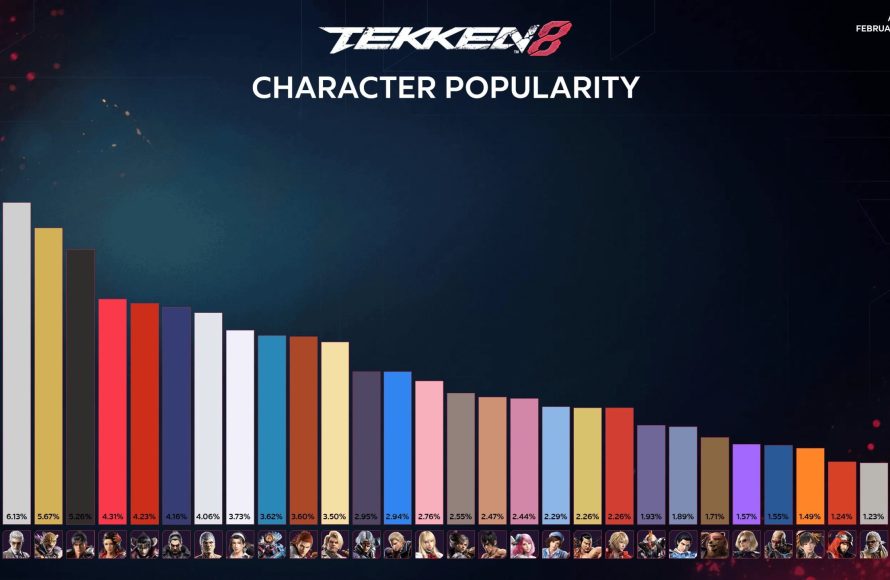
Tekken 8 has a big selection of characters, each with their own moves, strengths, and weaknesses. Just like any other fighting game, you’re going to find that some characters seem easier to use than others, especially when you’re just starting. It’s good to try out a few to see which one clicks with you. Here’s how to go about choosing your first character:
- Try Different Characters in Practice Mode: Don’t be afraid to jump between different characters. See what kind of move sets feel most natural to you.
- Consider Characters That Have Simple Combos: Some characters are better for beginners because their combos aren’t super difficult to pull off. These are great for learning the game.
- Find Someone That Matches Your Style: Do you like to attack hard and fast, or are you more of a defensive player? Pick a character that lets you play how you want to play.
Understanding Character Archetypes
Tekken characters, much like in other fighting games, tend to fit into different categories or “archetypes”. Understanding these can help you pick a character that fits your playstyle and can help you grasp how other characters work when fighting against them. Here are some common archetypes in Tekken:
- Rushdown Characters: These characters excel at getting in close and pressuring opponents with fast, relentless attacks. They might have shorter range, but they make up for it with their speed and ability to mix up their attacks.
- Zoning Characters: These characters are designed to control the space between themselves and their opponents with long-range attacks. They often have tools to keep opponents at a distance and can be difficult to approach.
- Grappler Characters: These characters focus on using grabs and throws to break an opponents defense. They are often slower but can do huge amounts of damage when they get their hands on their foe.
- All-Around Characters: These characters are well-balanced and have tools for various situations, making them a good starting point for new players. They’re not specialized, but they can adapt to most situations.
Don’t get too worried if you don’t know which type of player you are. As you play, you’ll start to understand what characters work for your personal play style.
Advanced Techniques: Moving Beyond the Basics
Once you feel okay with the basic controls, movement, and character types, you can start checking out some more complex techniques. Tekken is full of these. It’s where the game really becomes strategic and where you can really start to see a difference in skill level. Don’t feel you have to learn everything at once, just slowly add to your skills. Here are a few things to look into:
- Movement Mix-Ups: This refers to varying your movement patterns so that it’s harder for your opponent to predict you. This might mean mixing in some sidesteps or moving differently after attacking.
- Spacing: Spacing refers to the distance you keep between you and your opponent. It’s not just about getting close to attack. Instead, it involves using range to keep yourself safe while attacking.
- Punishing: This means taking advantage of your opponent’s mistakes. If they leave themselves open after an attack, you need to be able to counter with an attack of your own.
- Frame Data: Frame data refers to the individual animations in the game, measured in frames. Some attacks are faster than others, and understanding these differences can give you an edge. This is quite advanced, so don’t be worried about frame data until you are more experienced.
The Importance of Practice
I can’t stress this enough: practice is super important in learning Tekken. You’re not going to become a pro overnight, and that’s ok! Regular practice in the training mode, against other players, and even watching pros play can be a big help. There is a lot to learn, and repetition will help you gain muscle memory. Here are some ideas on how to practice effectively:
- Short, Regular Sessions: It’s better to practice for 30 minutes every day than to play for 3 hours once a week. Consistency is key.
- Focus on One Thing at a Time: Don’t try to learn everything at once. Instead, focus on improving one skill or technique each week.
- Watch Professional Players: Pay attention to how pros move, when they attack, and how they create openings. You can learn a lot just by watching.
- Play Online Matches: Test your skills against real players. You’ll learn the most from mistakes in actual matches, even if you lose!
The Online Experience: Putting Your Skills to the Test
Once you feel comfortable with the game, you’ll likely want to test your abilities against other players. Tekken 8 has a pretty solid online multiplayer system that you’ll need to navigate. Here’s what you should know about jumping into online matches:
- Ranked and Unranked Modes: Tekken usually offers both ranked and unranked modes. Ranked mode will match you with others of a similar skill level, while unranked is a casual place to play without pressure.
- Finding Matches: The game will automatically try to find you a good opponent but sometimes this can take a little time. Try to be patient and see who the game matches you with.
- Learning From Losses: You’re going to lose matches, it’s a fact of fighting games. Try to think about why you lost and what you could have done differently.
- Staying Positive: It’s easy to get frustrated when you’re losing, but try to keep a positive attitude. Every match, win or lose, is a chance to learn.
Online play is a big step in improving at Tekken. It’s much different than playing against the AI because human players are unpredictable. It can be a tough experience at the start, but it is vital to your skill development.
Making the Learning Curve Easier
Tekken 8 has a learning curve, but there are a few things that can make it less steep. Here are a couple of things you can do to make the start of your learning journey more enjoyable:
- Start With the Story Mode: The Story mode is a good way to learn the basics, and it’s also a fun way to experience the world of Tekken.
- Utilize the Training Mode: Seriously, training mode is your best friend. Spend time here to learn new moves and combos, and to practice your movement.
- Join Online Communities: Join groups or forums online to chat with other players. You can learn a lot, ask questions, and even find sparring partners.
- Watch Tutorials: There are a ton of helpful tutorials on YouTube and other platforms that break down advanced techniques.
- Take Breaks: If you’re feeling frustrated, it is okay to step away for a bit. Come back with a fresh mind.
The key thing is to not get too discouraged. Tekken is a game that takes time to learn, and nobody expects you to be a pro at the beginning. The process of improving is a big part of the fun!
Remember, everyone starts somewhere. The world of Tekken is vast and exciting. It may take some time and effort to really feel like you’ve gotten a handle on it. Just focus on learning, practicing and having fun. Good luck!
STOP LEARNING BACKWARDS, Tutorial on the Fundamentals of Tekken 8 (and Fighting Games Generally)
Final Thoughts
Tekken 8 presents a significant initial challenge. New players will likely face a steep incline while grasping its intricate systems. This demands patience and dedicated practice.
The game’s complexity makes the climb rather difficult for beginners. However, experienced fighting game fans may adapt more quickly. ‘Tekken 8 games learning curve evaluation’ suggests a substantial commitment for full understanding.
The depth of Tekken 8’s mechanics creates a rewarding yet demanding path. Learning fundamental skills is necessary before advancing. The investment of time really pays off eventually.

