
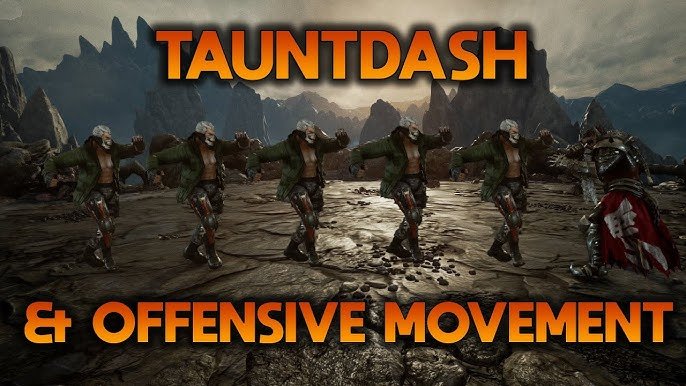
Aggressive movement in Tekken 8 involves using sidesteps and back dashes to bait opponents, close distance quickly with forward dashes, and create whiffs for punishing attacks.
Movement in Tekken 8 isn’t just about defense; it’s a powerful tool for offense. Understanding how to use movement offensively dramatically improves your game. A key part of this is making your opponent react to your actions rather than the other way around.
Players need to shift from passively waiting to actively creating opportunities. Strategic use of sidesteps opens up avenues for attack. Learning to effectively use your movement allows you to control the pace of each round.

Tekken 8 How to Use Movement Offensively
Alright, let’s talk about moving like a pro in Tekken 8! You might think moving is just about dodging punches, but it’s way more than that. In Tekken 8, how you move is a big part of how you attack. It’s like a dance where you’re trying to trick your opponent and set up your coolest moves. We’re not just going to stand there and trade blows; we’re going to move with a purpose, making our opponent guess where we’re going to strike next.
The Basics of Movement: Beyond Just Walking
Before we get fancy, let’s make sure we’re good with the basics. Walking forward and backward is simple, but there’s more to it. We have to think about how our basic movement affects our opponent’s positioning. For example, walking forward slowly can make them nervous and possibly make them throw a move they shouldn’t. Walking back lets us see what they’re doing and prepares for what’s next. These simple movements aren’t just about getting around; they’re about controlling space and time in the arena.
Forward and Backward Movement
Walking is the most basic form of movement. When you walk forward, you are getting closer to your opponent, applying pressure. Walking back gives you space, allowing you to react to their moves. In Tekken 8, it’s not just about getting from point A to B. It’s about how those movements affect your opponent and setting yourself up for attack. Remember, moving forward slowly is different than walking in quickly and can make them do unpredictable things.
Sidestepping: Dodging and Positioning
Sidestepping is super important. It’s when you quickly move to the side, dodging their attacks. Sidestepping can help you avoid linear attacks (moves that go straight) and allows you to move behind your opponent, and set them up for an attack from a different direction. Think of it like a quick dance step. Learning when to sidestep and which direction is key for both defense and offense.
Backdashing: Creating Space
Backdashing is when you quickly step backward, creating distance between you and your opponent. This is great for escaping pressure, creating space for your approach and making them miss their moves. It is good to backdash to make your opponent whiff (miss) their attack. A good backdash will make your opponent miss their move and will allow you to punish them easily.
Offensive Movement Techniques
Now, let’s get to the fun part: using movement to attack. It’s not just about dodging; it’s about creating opportunities for offense. We will be using our movement to confuse our opponent, create a whiff and attack them.
The Importance of Spacing
Spacing means keeping the right distance between you and your opponent. Being too close or too far away can put you in danger. The right space gives you enough time to react to their attacks while allowing you to hit them with your own attacks. It’s like finding the perfect spot on a stage to perform. It’s not just about where you are, but where you are in relation to your opponent and what can be accessed from there.
Using Movement to Create Whiffs
Making an opponent miss their move (also known as a “whiff”) is a great way to start an attack. You can do it using your movement. When you move to make your opponent’s attacks miss, they’re left open, making them easy to hit. If they are using slower attacks or linear attacks you can easily sidestep them, they whiff their move and then you attack. This is a great offensive move and is a cornerstone of high-level Tekken.
Here’s a breakdown:
- Sidestep to avoid linear moves: Moves that go straight are easy to dodge with a quick step to the side.
- Backdash to make shorter-ranged moves miss: If your opponent is using short-ranged attacks, move back. The distance will make their moves miss.
- Walking forward and back to bait them: Sometimes a step forward or back can make them start an attack, which you can then avoid.
Remember, good movement isn’t just about dodging. It’s also about baiting the opponent into making moves that you can punish.
Approach Options: How to Get Close
Getting close enough to attack can be tricky. You don’t want to just run in blindly. Here are a few approach options:
- Walking in Slowly: A slow walk forward can be a good way to make your opponent throw a move.
- Dash in and mix: Quickly running toward your opponent can make them have to guess between attacks. It’s risky, but can be a very strong way to approach.
- Mix the approaches: Don’t be predictable. Change your approach with some variety to keep your opponent guessing.
Movement Mix-Ups: Keeping Your Opponent Guessing
Mix-ups are a big part of Tekken. This is when you use different movements to trick your opponent and make them wonder what you will do next. Here’s how to do this:
- Mix Walking and Dashing: Walk in slowly and then quickly run in to make your opponent confused.
- Mix Sidesteps with Backdashes: Step to the side then back away to create space.
- Fake moves: Move as if you are going to do an attack, but instead, move again.
The idea is that you don’t want your opponent to be able to anticipate what you’re doing. Think of your movement like a puzzle and the goal is to make it difficult for your opponent to figure out.
Advanced Movement Techniques
Ready to take your movement to the next level? These techniques can give you a real edge.
Korean Backdash (KBD)
The Korean Backdash (KBD) is a fast way to backdash multiple times and creates space. This can make it very hard for your opponent to catch you. The idea behind it is that you cancel one backdash with another so you can keep backdashing without having to wait for the backdash animation to finish. Here’s how to do it:
- Tap back to start a backdash.
- Quickly tap down to return to neutral stance.
- Repeat these steps quickly in succession.
It takes practice, but once you get it down, you can make yourself very slippery.
Wave Dashing
Wave dashing is similar to KBD but allows you to move forward and backward quickly. It’s much more difficult to learn than the KBD but with enough practice you can make your movement unpredictable. Here’s how it works:
- Perform a forward dash.
- Cancel the forward dash into a crouch.
- Repeat the sequence and transition into other movement options or attacks.
Using Movement to Create Angles
Advanced movement also includes using sidesteps and dashes to get behind your opponent or get at an angle. It isn’t always about moving forwards or backwards. Sometimes, the best position is from an angle or from behind. This can make it easier to attack them from a blind spot or give yourself better options to hit them with your moves. Learning how to use your movement to create these angles can be a game changer.
Applying Movement to Different Situations
Movement isn’t a one-size-fits-all thing. You need to adapt your movement to the situation you’re in.
Offensive Pressure
When you are pressuring your opponent, your movement should be aggressive. Use dashes to get close, sidesteps to avoid counters, and walk forward to apply pressure. This is about being in your opponent’s face and forcing them to defend.
Defensive Play
On defense, your movement needs to be more careful. Use backdashes and KBD to create space. Sidestep to dodge attacks. If your opponent is really getting on you, try to move around and get them to whiff and then punish them with a strong move. It’s about making sure your opponent doesn’t get a free attack and then counter attack when they make a mistake.
Neutral Play
When no one has the advantage, that’s neutral. You need to use all your movement options and mix them up. Walk back and forth, then dash in. Sidestep backdash. Use everything in your kit to confuse and pressure your opponent.
Practicing Your Movement
Like anything in Tekken, practice makes perfect. Here are some things to practice:
- Practice Mode: Spend time in practice to get a feel for the movement and work on the advanced movement techniques.
- Use the Recording feature: Record your opponent’s attack and then try to avoid the attack using your movement. This will train you to move away from attacks.
- Focus on one movement: Instead of trying to learn all the techniques, start with one or two and get comfortable.
- Apply movement to your matches: Once you are comfortable, use these techniques in real matches, even if you lose. You need to learn what works and what doesn’t.
Movement in Tekken 8 is a dance, a chess game, and a crucial part of the attack all rolled into one. It takes time, but mastering movement is what makes the difference between an average player and a great one. Don’t just stand there; get moving and start creating openings for your attacks. Remember, practice makes perfect, so keep at it and you’ll be dancing around your opponents in no time.
By combining these movement techniques, you will have a significant edge in your matches. Remember, Tekken 8 is about strategy just as much as it is about button inputs. Using your movement strategically is how you win more matches and make your opponent guess what’s coming next. Keep practicing, try to mix your movement, and you will see your gameplay improve dramatically.
Tekken 8 Basics: Offense (beginner Guide/Tutorial)
Final Thoughts
Movement offensively in Tekken 8 requires precise spacing and timing. Use sidesteps to bait attacks, then punish accordingly. Forward dashes can quickly close gaps, putting opponents on the defensive.
Effective use of back dashes maintains range and creates whiff opportunities. You must become adept at weaving movement into your offense. Tekken 8 how to use movement offensively is about proactively controlling the fight’s flow.

