
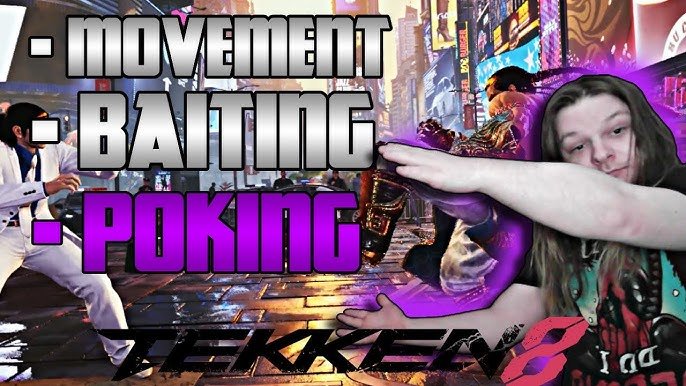
Improving your Tekken 8 neutral game requires spacing, punishing whiffs, and using movement effectively to control the flow of combat.
The intensity of Tekken 8 demands careful strategy. Often, matches are won or lost in the neutral game. It’s the dance before the close combat, a stage for setting up powerful attacks. A better Tekken 8 neutral game improvement comes from controlling distance and making your opponent play your style, rather than the other way round.
Failing to punish a whiff or respecting movement options can quickly lead to your defeat. Practicing these fundamental aspects helps you control the pace. Remember, a strong neutral game paves the way for a successful offensive.

Tekken 8 Neutral Game Improvement
Alright, Tekken 8 fans! Let’s talk about something super important if you want to get better at the game: the neutral game. What even is the neutral game? It’s basically when neither player has a clear advantage. You’re both dancing around, trying to create an opening. It’s not about flashy combos; it’s about smart movement, poking, and making your opponent make mistakes. Improving your neutral game means you’ll be setting yourself up for more wins, so let’s dive deep and see how we can make you a Tekken neutral master.
Understanding the Core Principles of Tekken 8 Neutral
Think of the neutral game as a chess match. You’re trying to outsmart your opponent with movement and small attacks. Unlike other fighting games where projectiles reign supreme, Tekken focuses on close-quarters combat and positioning. Let’s break down some important stuff.
Spacing and Movement
Spacing is like your comfort zone. You want to be at a distance where your attacks can reach, but your opponent’s can’t. Here are some ways to move around effectively:
- Backdash: The backbone of Tekken movement. Quickly move backward to avoid incoming attacks and create space. Practice double backdashing to create more distance.
- Sidestep: Move left or right to avoid linear attacks and create different angles for your attacks. Good sidestepping is like weaving through a maze.
- Walk: Don’t underestimate walking! Sometimes slow, careful movements are better than dashing wildly. Walk forward to close space when it’s safe and backward to bait your opponent.
- Forward Dash: Use this to close the gap quickly, but be careful – don’t make it too predictable.
Remember to mix these up. Don’t always backdash or always sidestep. Surprise your opponent with varied movement.
Poking and Whiff Punishment
Pokes are small, quick attacks that help you find openings and annoy your opponent. They might not do much damage, but they help you get a feel for what your opponent is doing. Here’s what to know:
- Fast jabs: Quick punches that are useful for testing your opponent. They help you see how they react.
- Low pokes: Attacks that hit low that can help you force your opponent to block low.
- Mid pokes: Quick attacks that hit mid. These are useful to keep the opponent guessing.
Whiff punishment is when your opponent swings and misses. If they miss, it’s your time to punish them! It’s like a free hit, but make sure it’s a strong one. Use attacks that are fast and deal decent damage. Also, keep an eye on your opponent’s attacks. When they leave an opening, capitalize on it. A blocked attack often leaves them vulnerable for a second, and that’s your chance.
Key Strategies for Dominating the Neutral Game
Now, let’s go over some specific strategies you can use in the neutral game to get an edge.
Baiting and Conditioning
Baiting is all about tricking your opponent. Make them think you’re going to do one thing, but then do another. This can be something as simple as feinting an attack, using movement, and then countering when they try to punish. Conditioning is similar. You want to make your opponent think you’ll do something consistently, then change your approach when they get comfortable. Here’s how to do it:
- Repeat certain moves: Use the same poke a few times. If they start to predict it, you can stop using it and try something else.
- Use movement patterns: Always backdash after a poke? Try sidestepping or walking.
- Change your timing: Don’t always attack at the same beat. Sometimes, waiting a bit before acting can mess with their rhythm.
The goal is to make them play the way you want them to play. When they react predictably, you’re in control.
Using Character-Specific Tools
Every character in Tekken 8 has their own unique moves. What works for one character might not work for another. Here’s how to think about your character’s strengths in the neutral game:
- Long-Range Tools: Some characters have moves that reach further than others. Use these to keep your opponents at a distance or harass them from afar.
- Fast Pokes: If your character has fast pokes, use them often to interrupt your opponent’s plans.
- Mix-Up Potential: Some characters can switch from lows to mids to highs very quickly. Use these moves to keep your opponent guessing.
Figure out what your character does best and make sure you use it in the neutral. For instance, if your character is strong at poking, make sure you are using pokes a lot. If they are good at long distance, then maintain the range you need to make your opponent play your game.
Punishing Opponent’s Habits
Everyone has habits. If your opponent always does the same move after blocking, punish them! If they backdash every time you jab, learn what hits them out of that backdash and start doing it. Pay attention to what they do again and again. Here’s what to look for:
- Repeating the same move: If they keep using one move over and over, it probably has a weakness you can abuse.
- Always reacting a certain way: Do they always block low? Do they always try to grab when you get close? If you know their habits, you can predict their moves and react accordingly.
- Over aggression: Are they always rushing in? Then you can stop them with well placed pokes or use a defensive move with high priority.
It’s like being a detective, you’re looking for clues. When you spot a pattern, you have a chance to turn it into your advantage.
Practice Drills to Improve Your Neutral
Now let’s talk about how to actually practice these skills. It’s not enough just to know what to do; you need to practice it. Here are some ways to improve:
Movement Training
Spend some time in training mode, and work on your movement. Here are some ideas:
- Backdash Practice: Try to backdash out of different moves. Practice double backdashes to create more space.
- Sidestep Drills: Practice sidestepping left and right. Try to move around obstacles to understand the spacing better.
- Mix Movement: Mix walking, dashing, sidestepping, and backdashing. Get comfortable with switching between different movements.
Move like a dancer, gracefully moving in and out to create openings.
Poking and Whiff Punishment Drills
Practice using pokes and reacting to whiffs. Here’s how:
- Poking Practice: Spend time throwing out pokes in training mode, practice with different pokes of your character, such as jabs, lows, and mids.
- Whiff Practice: Find an opponent who has a long-range attack that’s easy to bait. Practice moving out of the way and then punishing them with a big attack.
- Reaction Time Drills: Try to improve your reaction time by practicing reacting to common attacks in the training mode.
Your goal is to get good at reacting to what your opponent is doing. The better you are at this, the more opportunities you will get to punish them.
Match Review
Recording and reviewing your matches is a critical part of improvement. Here’s how to make the most of it:
- Watch your own matches: Watch what you do, including all the mistakes you made.
- See where you lost the neutral: Did you get hit because you were moving predictably? Did you miss opportunities to punish your opponent?
- Watch top players: See how the pros do it. Try to steal their ideas and put them in your own game.
It’s like watching a movie of your game, you can learn a lot from it. What could you have done better? What mistakes are you making? Take notes and focus on fixing those things in your next training session.
Practice with different players
Training is great, but you also need to play against different people to practice against different playstyles and habits. Here’s how to make the most of these matches:
- Play against different skill levels: Playing against beginners can help you practice your fundamentals, while playing against stronger players will make you think differently and give you some ideas of how to play better.
- Experiment: Try new stuff and different movements. See how your opponent reacts to them.
- Ask for feedback: Ask the people you are playing against for feedback on your gameplay.
Every player is unique, and playing against different people will help you prepare for any challenges that may come to you when you play online or tournaments.
Common Mistakes to Avoid
Everyone makes mistakes. The key is to learn from them. Here are some common things players do wrong:
Being too predictable
If you always do the same thing, your opponent will easily adapt. This is the number one mistake most players do. Try to not be predictable with your movement and your attacks.
Rushing in recklessly
Don’t just run in without a plan. Be patient. Make your opponent come to you, and then create an opening when they do. It’s better to be calm and take your time. You don’t always need to attack!
Ignoring movement
Movement is super important in Tekken. If you stand still, you’re an easy target. So make sure you are using your movement well. It’s not just about attacking; it’s about controlling your space and creating opportunities to attack.
Not reacting to habits
Failing to react to your opponent’s habits is a common error. They are making the same mistakes over and over, and you are not reacting. Be like a hawk. Watch, identify, and punish.
Underestimating Pokes
Some people think that pokes are not important, but that’s not true. Pokes are really important to see how your opponent reacts and creating a mix-up game.
Advanced Neutral Game Concepts
Once you’ve got the basics down, you can dive into some more advanced stuff.
Frame Traps
Frame traps are when you make an attack that seems like a free opening for your opponent, but when they try to punish, you can hit them again. It’s a very sneaky way to trick your opponent. However, they’re pretty hard to pull off, so make sure you practice them a lot.
Okizeme
Okizeme is the game you play after knocking your opponent to the ground. You can keep the pressure, create a mix-up, and try to keep your offense going. Each character has different setups, and they can be very powerful if used properly.
Mental Game
Tekken is not just a physical game; it’s also a mental one. It’s about being able to stay calm, adapt to your opponent, and not tilt when you’re losing. If you are not calm, your execution and gameplay will drop.
With practice and dedication, you’ll get much better at Tekken 8’s neutral game. It might take some time, but it’s totally worth it when you see yourself winning more matches.
Remember, improving your Tekken 8 neutral game is a journey, not a sprint. Keep practicing, stay patient, and you’ll be dominating your opponents in no time.
How To Improve Your Neutral In Tekken 8
Final Thoughts
Tekken 8 neutral game improvement requires focus on spacing, movement, and understanding your character’s tools. Effective use of sidesteps and backdashes will create opportunities. Players should also punish whiffs effectively to gain an advantage in the neutral.
Developing strong movement patterns and character-specific strategies is key to success. Understanding frame data and common opponent attacks assists with neutral play. Learning when to be aggressive and when to be patient makes a difference.

