
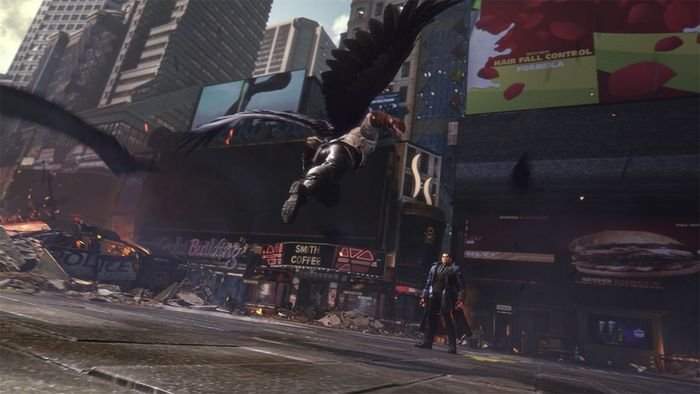
In Tekken 8, character movement, specific attacks with pushback, wall splat mechanics, and the opponent’s positioning relative to stage boundaries all contribute to controlling stage position.
The fight in Tekken 8 is more than just combos; it’s a constant dance for dominance. Understanding stage control is crucial for victory. How you manage the space and where you place your opponent can dramatically shift the match’s momentum. The question many are asking is: Tekken 8 what is controlling stage position, and the answer is fundamental to playing effectively.

Tekken 8: What is Controlling Stage Position?
Okay, so you’re playing Tekken 8, throwing punches and kicks like a pro, right? But sometimes, it feels like you’re stuck in one corner, or maybe you’re always the one getting pushed around. That’s because stage position is a super important part of Tekken 8. It’s not just about hitting hard; it’s about where you are on the screen and how that affects your moves and your opponent’s options. Understanding what controls stage position is key to becoming a better Tekken player. Let’s break down all the different pieces of this puzzle.
The Basics: Movement and Spacing
Before we dive into the fancy stuff, let’s look at the fundamentals: how your character moves. In Tekken 8, movement is crucial. It’s not just about walking forward and back. You have lots of options:
- Walking: Simple forward and backward movement. Good for small adjustments.
- Dashing: Quickly move forward or backward. These are useful for closing the distance or creating space, but be careful, they can be punished if used carelessly.
- Side Stepping/Sidewalking: Moving to the left or right in the background. This is incredibly important for evading linear attacks (attacks that go straight forward) and creating openings.
- Backdashing: A quick backward movement that creates space. But unlike simple walking backwards, it’s harder to follow a good backdash.
Spacing is all about the distance between you and your opponent. Think of it like a dance; each character has preferred ranges where their moves work best. For instance, some characters are powerful up close with powerful throws and fast jabs, while others are better at mid-range, using longer reaching kicks and punches. Controlling the distance is controlling the battle.
Understanding Character Movement Differences
Not all characters move the same way. Some are faster, some have better sidesteps, and some characters have special movement options that make them unique. For example, King can use his chain throws to close distance very quickly, whereas someone like Nina is more focused on being a very evasive character with quick movements. These differences mean that each match-up is different. You need to understand your character’s movement capabilities as well as the movement of the character you’re facing. Playing against a Law and playing against a Jack will be very different, because they’re movement options is also very different.
Offensive Pressure and Pushback
Now, let’s talk about getting up close and personal. When you attack, you’re not just hitting your opponent; you’re often pushing them back or moving yourself forward. This is known as “pushback”.
- Block Pushback: When your opponent blocks your attack, they get pushed back a little. This is a key part of controlling the space, as repeated blocked attacks can push your opponent closer to the wall.
- Hit Pushback: When you successfully land a hit, you will push your opponent back a lot more than when they block. Depending on how strong the attack is, the distance of the pushback varies.
- Forward Moving Attacks: Some attacks inherently move you forward. These are fantastic for applying pressure and keeping your opponent on their toes. This is one way to put opponents in a corner.
These pushback effects are crucial, as the game will end faster if you’re attacking, moving forward, and maintaining your offensive pressure. This pressure often leads to opponents being pushed into the corner.
Wall Pressure: The Danger Zone
Ah, the dreaded wall. When one or both players are near a wall, the game changes completely. Walls limit movement options and create opportunities for powerful combos known as wall carry.
Wall Combos and Positioning
When you hit an opponent near a wall, they’ll hit the wall and bounce off of it. This is when you can create wall combos. Wall combos do more damage. This is because they can increase the attack damage in the combo and the combo itself is extended. These combos are really dangerous, as they can end rounds quickly.
Here’s how wall position influences the game:
- Limited Movement: Players near the wall can’t sidestep as easily, making them more vulnerable to linear attacks.
- Wall Splats: Landing an attack that causes a “wall splat” lets you follow up with extra hits, which can seriously hurt.
- Wall Carries: Certain attacks can push your opponent along the wall, setting up nasty combos that deal loads of damage.
- Corner Pressure: Being cornered limits your options, making it easier for your opponent to apply pressure and punish mistakes.
Avoiding the Corner
Getting stuck in the corner in Tekken 8 is often a death sentence. You need to be aware of where you are in the stage and avoid getting trapped. Good use of backdashing and side stepping can get you out of sticky situations.
Throws and Stage Position
Throws are not only good for damage, but also affect stage positioning. Many throws switch sides, making it easier to put opponents near a wall. This is especially true of King, who has several throws which change character positions. These can either be normal throws or chain throws. Using throws at the right time is a vital tool to control the stage.
Throw Escapes and Prediction
Of course, if someone tries to throw you, you can try to break the throw and get away from the danger of a reposition throw, or a throw near the wall. If you correctly predict that a throw is coming, you can break the throw, resulting in getting away and the opponents attack will not connect. This often results in counter attacks, which also affects position.
Character-Specific Stage Control Techniques
Some characters have moves that are especially good at controlling stage position. For example:
- Characters with Long Range Moves: These characters can keep their opponents at a distance, making it harder for them to get close. They often have moves that push opponents further away, limiting their options.
- Characters with Quick Dash Attacks: These characters can quickly close gaps and create offensive opportunities. They excel at forcing opponents into the corner or near the wall.
- Characters with Evasive Moves: These characters can move around their opponents, creating angles for attacks. These characters can avoid being pushed into the corner, but can also change positions with their movements.
Understanding these character-specific strengths is key to both using them and dealing with them in matches.
Mind Games and Positioning
Controlling stage position isn’t just about the physical moves; it’s also about mind games. If you’re constantly pushing your opponent to one side, you will force them into predictable responses. Here are some ideas:
- Feints and Fakes: You can make your opponent believe that you are going to move to one side, but instead go to another. For example, try dashing forward but then dash backward. This creates unpredictability that can give you the edge.
- Varying Attack Patterns: Change how you attack (high, low, mid), and how far away you are from your opponent. A varied attack will force your opponents to react to you, instead of acting out their own plan.
- Conditioning: This is when you train your opponent to react to a particular thing, so that you can punish that reaction. For example, if you always backdash after a blocked attack, a good player will eventually predict it, and then punish you. Mix up your responses.
By playing these games, you can further control the stage and your opponent’s options.
The Importance of Awareness
The most important aspect of stage control is awareness. You have to be constantly thinking about where you are, where your opponent is, and where the wall is. Always be looking for the best positioning to attack or defend. Always be thinking about moving away from the corner.
Practicing Stage Control
Like anything, getting better at controlling stage position in Tekken 8 takes practice. You should spend time in training mode, focusing on:
- Movement Drills: Practice different movement types like dashing, side stepping, and backdashing. Do these against a practice dummy, and be aware of how much distance you cover.
- Spacing Practice: Try different moves at different ranges. Find the ranges where you feel most comfortable and learn how to control them.
- Wall Awareness: Pay attention to how far you are from the wall. Get used to avoiding the wall at all costs.
- Punishing Movement: Start to look for times where your opponents are using obvious movement habits that you can punish.
With time and effort, you’ll become a master of stage position.
In summary, stage control in Tekken 8 is a complex web of movements, attacks, spacing, and mental strategy. Mastering it takes time and practice, but the reward is a much better and more strategic game. By understanding how all these elements interact, you’ll be able to push your opponents around and dominate the battle! Always remember to pay attention to your positioning, don’t get into the corner, and be aware of where you are on screen.
Tekken 8 Complete Beginner Guide
Final Thoughts
Ultimately, effective movement and calculated aggression dictate control. Players who understand spacing and punish attempts will dominate ring positioning. This understanding of character movelists is important.
Tekken 8 what is controlling stage position boils down to anticipating opponent actions. The best players proactively use their tools to push opponents toward corners or walls. This way, they obtain key positional advantages.

