
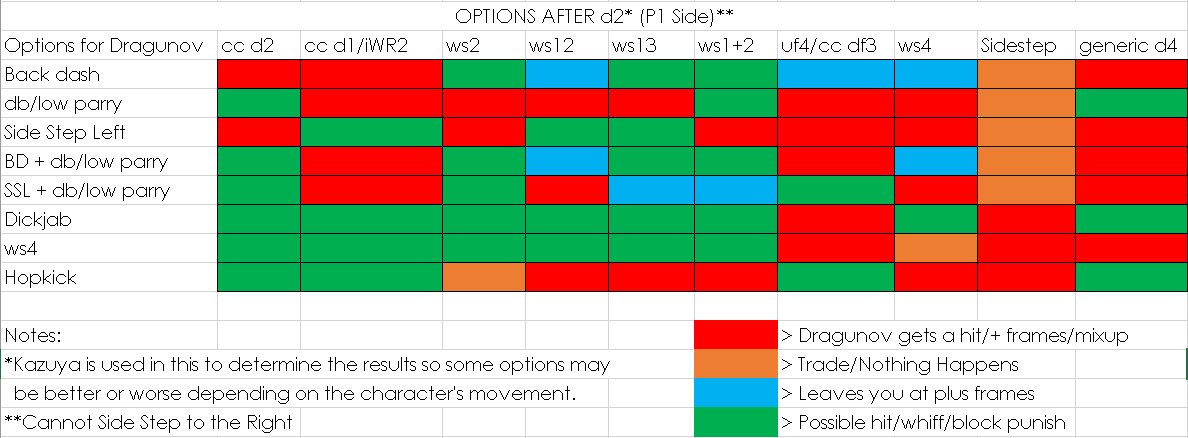
Tekken 8 punishment options vary depending on the opponent’s move; generally, you should use fast jabs for unsafe moves, or specific launchers for very punishable actions.
So, you want to get better at Tekken 8, huh? We all do. One area that separates the pros from everyone else is their ability to punish mistakes. This blog aims to shed light on Tekken 8 punishment options, focusing on how to exploit openings.
Learning to effectively punish an opponents unsafe move can be game changing. This requires an understanding of frame data and character move sets.

Tekken 8 Punishment Options: A Deep Dive
So, you’re diving into the world of Tekken 8, huh? Awesome! This game is packed with awesome moves, and knowing how to respond to your opponent’s mistakes is key to winning. We’re going to talk all about “punishment,” which is basically how you make them pay when they mess up. Think of it like this: if someone tries to grab you and misses, you get a chance to hit them back really hard. That’s what punishment is all about!
Understanding the Basics of Punishment
Before we jump into specific moves, let’s make sure we understand the main idea. In Tekken 8, some moves are “safe,” and some are “unsafe.” Safe moves don’t leave you open to attack when they are blocked. Unsafe moves, on the other hand, leave you in a vulnerable state if your opponent blocks them. This is where punishment comes in. If your opponent does an unsafe move, you have an opportunity to punish them before they can recover.
Move Properties: Frames and Recovery
A big part of punishment is understanding frames. Think of frames like tiny moments in time. Each action in Tekken 8, whether it’s a punch, kick, or block, has a certain number of frames. Some moves have a lot of frames at the beginning, making them slow to come out (start-up frames), and others have a lot of frames at the end, leaving you vulnerable if they are blocked (recovery frames). When a move is blocked, the character doing the blocking has an opportunity to act first, but the moves that are “unsafe” have more recovery frames, leaving them open to attack. The time window when a character is vulnerable and can be hit is called recovery frames. The aim is to do a fast move on them before they recover from their own move. That’s punishment in a nutshell!
- Start-up Frames: How long it takes for a move to begin hitting.
- Recovery Frames: How long it takes for a character to return to a neutral state after the move is finished. More recovery frames are bad as it leaves one open to counter-attack
- Block Advantage/Disadvantage: This explains how much faster or slower a player is after the opponent blocks a move. It is usually written in ‘+’ or ‘-‘ form.
Why Punishing is Crucial
Why should you care about all of this frame data stuff? Because it’s what separates the good players from the greats! Knowing what moves are punishable and what you can do about it will help you win more matches. Punishing bad moves consistently is one of the major keys to success in Tekken 8. It is not just about landing big combos, but punishing opponent’s unsafe moves are more important.
Types of Punishment in Tekken 8
Okay, now let’s talk about the different ways you can punish your opponents in Tekken 8. There are a few main categories we’ll cover.
Standing Punishes
Standing Punishes are used against moves with a significant amount of recovery on block. These are often high and mid attacks that are unsafe on block. This is the bread and butter of punishment. You’ll do these all the time when you know your opponent did something wrong.
Common Standing Punish Examples:
- 10-frame jabs: These are usually a simple jab button, are the quickest attack in the game, and should be used to punish faster recovery moves which are still unsafe.
- Fast Mid attacks: Moves that deal more damage and can sometimes start combos but are slightly slower.
Crouching Punishes
When your opponent does a high attack or is too far away to be punished by 10-frame moves, you will want to duck and punish them. When you are crouching, you can do moves that hit the mid-section. These moves are used to punish moves that are too far, or have high properties on it, which you can simply duck under and hit back with these punish moves.
Common Crouching Punish Examples:
- Standing Uppercuts (from crouch): These moves usually launch an opponent and start a combo.
- Low Pokes from Crouch: Fast lows that can poke an opponent and force a reaction, but they generally aren’t punishable.
Launch Punishes
Launchers are moves that lift your opponent into the air, allowing you to do a combo on them. When your opponent does very unsafe moves, these are the moves you should aim for. Launch Punishes are often done when a low, or other very unsafe move is blocked.
Common Launch Punish Examples:
- Generic Uppercuts: These have similar properties with crouching uppercuts, and are used to punish a lot of moves.
- Character-specific Launchers: Every character has specific launchers that can be used to punish unsafe moves.
Specific Move Punishes
Sometimes, you need to use a specific move or combo to punish something. It is more character-specific. It’s all about knowing what moves work best against certain attacks.
For example, certain characters have specific moves that are particularly good at punishing moves with very long recovery frames. This often requires in-depth knowledge about the character you are using, as well as the character you are fighting against.
Examples of Specific Punishes:
- Move that has longer range, but slower: If you know the opponent is too far to be hit by normal punish moves, you will want to use a punish move that has a bit of longer range.
- Move that tracks the opponent’s sidestep: If you know that your opponent always sidesteps after doing a move, then using a punish move that has tracking properties is key.
- Move that does more damage: There are certain moves in the game that do a lot more damage than other punish moves, which might be slow, but deals more damage. This will usually be used when you know the opponent is doing a very slow move.
Identifying Punishable Moves
So, how do you know if a move is punishable? Well, the best way is to practice! When playing, if an opponent hits your block and you are sure that they are stuck in animation, try hitting them. If it works, then you know that move is punishable. If you are confused why the opponent can act first, you can go in practice mode and check out the move data.
In-Game Visual Cues
Tekken 8 gives you some visual cues too. If an opponent’s move is blocked and their character is stuck or wobbles a bit, that’s a good sign it’s punishable. Certain animations will let you know that the opponent is open for an attack.
Frame Data Information
Want to get really good at punishing? Then you need to understand frame data. Frame data is a list of all the moves a character has, along with their properties such as startup frames, recovery frames, and block advantage/disadvantage.
You can find frame data for Tekken 8 online. Using this information, you can figure out exactly which moves are punishable and what your best punish moves are. You’ll start seeing patterns like these:
- Moves with -10 or worse on block: These are typically punishable with a 10-frame jab.
- Moves with -12 to -14 on block: These can be punished with slightly slower, more powerful moves, or specific character moves.
- Moves that are -15 or worse: These are usually launch punishable.
When you have the game open, you can also open up the practice mode, which will allow you to see the frame advantage for every blocked move. With the help of practice mode, you can figure out which moves are punishable. After figuring out which moves are punishable, you can try to see which of your character’s punish options work the best in that situation.
Practicing Your Punishment Game
Okay, so we know what punishment is, why it’s important, and how to identify punishable moves. But how do we get good at actually doing it? Practice, practice, practice!
Practice Mode Drills
Use the training mode in Tekken 8. Set the dummy to do a specific unsafe move over and over. Then, practice punishing that move with different options. If you are unsure what is punishable, you can do different moves to see if you can punish your opponent before they recover. You want to get to the point where punishing becomes second nature. Do this with a variety of moves to improve your punishment. This helps build muscle memory.
Fighting Real Opponents
While practice mode is great, fighting real people is super important. Players won’t always do the same moves, they can vary. They will also react to your moves. They can sometimes fake you out, and they can also make mistakes. It is your goal to punish those mistakes by punishing their unsafe moves and then start your combo.
Watching Pro Players
Watch Tekken 8 pros. See how they react to certain moves and how they punish. This can give you great ideas of your punish options, what is punishable and what isn’t. It can also give you a general idea of the flow of battle. You might pick up some advanced techniques this way.
Learning Character Specific Punishes
Every character is different. Each character will have different punish moves, and will have different reach, and damage in comparison to other characters. It is very important that you learn how to punish moves with your character, rather than relying on a single universal punish. Try to see what is the best punish you can do with your character. This will lead to more consistent punishment and therefore more wins!
Advanced Punishment Concepts
Once you’ve got the basics down, you can start to think about some more advanced punishment stuff.
Punishing Whiffs
A “whiff” happens when your opponent’s attack misses completely. When someone whiffs, they have long recovery frames. Try to hit them with your punish moves.
Punishing Movement
Good movement is key in Tekken 8, but sometimes, excessive movement or certain types of movement can be unsafe. For example, if someone keeps sidestepping in the same direction, you can use moves that track that specific direction to punish them. Also, when people excessively backdash, they leave themselves open to punishment.
Mix-up Punishments
Mix-ups are when your opponent does different moves to try and trick you. If you can identify the mix-ups and figure out which option is punishable, you can get the edge in a match.
Punishment is a huge part of Tekken 8, but it is also not the only thing in Tekken 8. You also need to focus on your defense, your offense and movement. With enough time, you will find the right balance and master all aspects of the game.
Understanding and using punishment in Tekken 8 will greatly enhance your gameplay and help you win more matches. Keep practicing, and you’ll be punishing like a pro in no time!
These Dudes Doing STRINGS! (and how to punish them) – TEKKEN 8 for Dummies
Final Thoughts
Understanding frame data is key to capitalizing on opponent mistakes. Proper punishment is vital for success in Tekken 8. You must learn which moves are punishable and how to respond effectively. This knowledge will give you a distinct advantage.
Utilizing low parries and side steps can open up further punishment options. Punishing with powerful moves can heavily swing the momentum of any given match. Effective execution of Tekken 8 punishment options will lead to consistent wins.

