
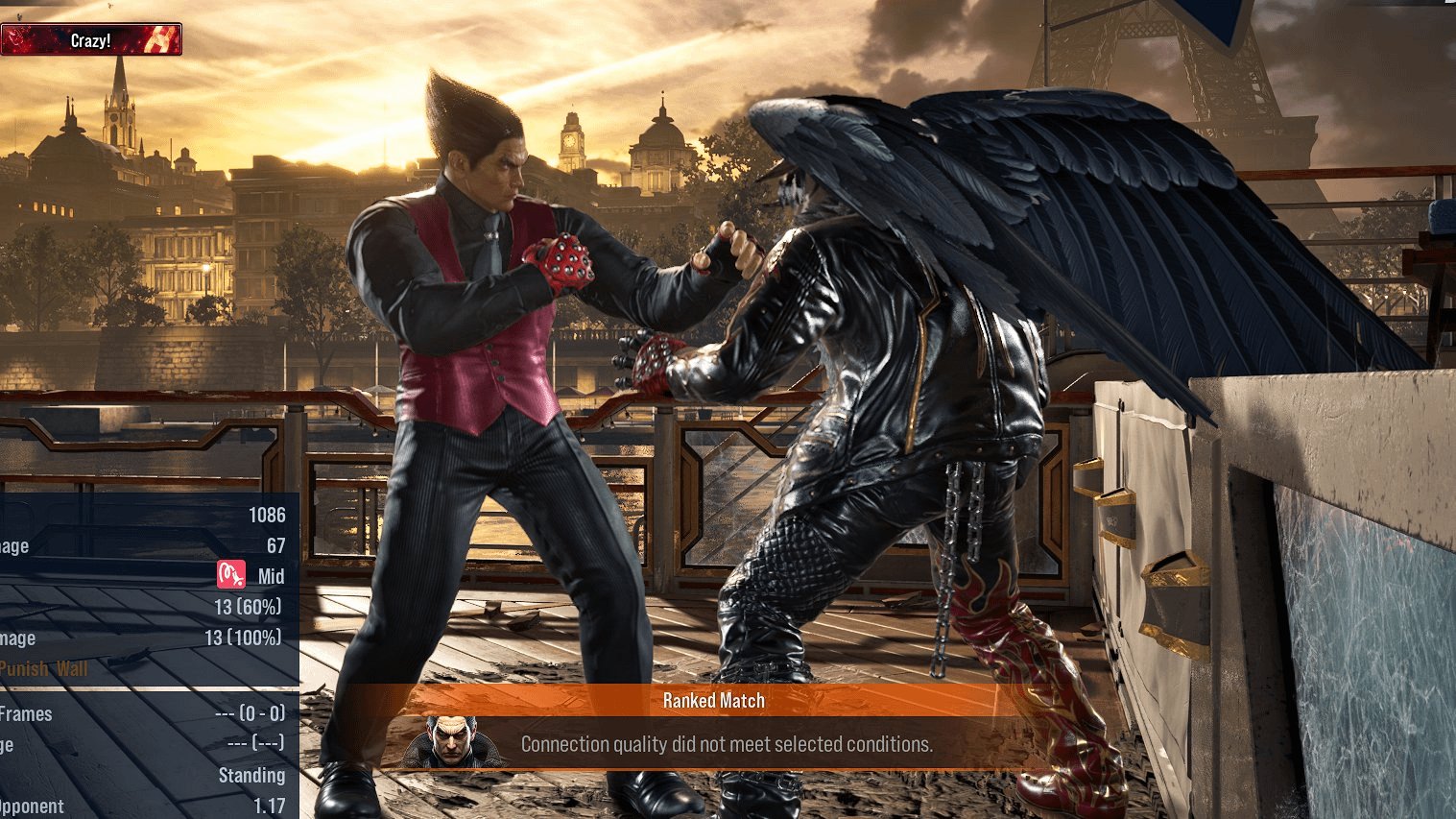
To evaluate match situations in Tekken 8, analyze your opponent’s patterns, spacing, and punish opportunities, then adapt your strategy accordingly.
Juggling opponents in the air, defending against pressure, and knowing when to attack – these are crucial skills in Tekken 8. But how do we really understand what’s happening in a match beyond just pressing buttons? The key is learning how to evaluate match situations.
This involves carefully observing your opponent’s behavior. Are they aggressive? Do they have certain moves they repeat? Paying attention to these details lets you formulate an appropriate gameplan and react more effectively to anything they try. This understanding is the difference between winning and losing.

Tekken 8 How to Evaluate Match Situations
Alright, let’s dive deep into something super important for getting better at Tekken 8: figuring out what’s happening during a match! It’s not just about knowing all the cool moves; it’s about understanding when to use them. This is what we call “evaluating match situations.” Think of it like being a detective in a fighting game – you need to gather clues and make smart decisions based on them.
Understanding the Fundamentals
Before we get into the nitty-gritty, let’s quickly go over some basics. These are the building blocks for understanding the more complex parts of match evaluation.
Understanding Your Character
First and foremost, you need to know your character really well. I mean, really well! What are their strengths? Are they good at close-range fighting or do they prefer to keep their distance? What are their best pokes (quick, short attacks)? What are their biggest, most powerful moves? And most importantly, what are their weaknesses? Every character has them, and knowing yours is key. Think about it: if you play a character who’s great at kicking, you’ll want to find opportunities to use your kicks. Don’t try to force things that don’t fit your character’s style.
Understanding Your Opponent’s Character
Knowing your character is half the battle; the other half is understanding who you are fighting against. What kind of character are they using? Do they tend to attack a lot, or do they play more defensively? Do they like to grab? Are they good at stringing together long combos? Just like with your character, try to spot their strengths and weaknesses. If their character is very slow, you might want to focus on using fast attacks to keep them on the defensive. If they have powerful long-range moves, you’ll want to be careful about staying too far away. This comes from experience and facing different fighters.
Understanding the Basics of Tekken 8
Beyond knowing your character and your opponent’s character, you have to understand what makes Tekken 8 work. We’re talking about things like movement, spacing, frames, and the rock-paper-scissors aspect of attacks (high, mid, low). Each of these is an important consideration, so let’s break it down a bit:
- Movement: How you move around the screen is very important. You should be able to move forward, back, sidestep, and even jump effectively. Don’t just stand still and wait to be hit.
- Spacing: Where you are in relation to your opponent is vital. Some moves are better up close and some work better at a distance. You’ll have to learn what moves work where and how to take advantage of space.
- Frames: Tekken 8, like most fighting games, works on frames. Think of them as tiny slices of time. Knowing which of your moves come out quickly (fast frame data) is crucial for offense, and the same is true for knowing your opponent’s slow moves that might have long animations.
- High, Mid, Low: Most attacks can be blocked. But if you block a high attack standing, the game becomes a guessing game – you have to crouch to block low attacks, and standing to block mid/high attacks. Understanding when to use which type of attack will allow you to open your opponent up.
Analyzing The Flow of a Match
Now that we’ve covered the basics, let’s talk about how a match actually progresses, and what kinds of things you should be paying attention to.
Early Game (Opening Moments)
The beginning of a match is all about feeling out your opponent. You should use this time to do a few key things:
- Poke and Probe: Throw out some quick attacks, but don’t commit to anything big. See what your opponent does in response. Do they try to block and punish or are they very aggressive.
- Movement Observation: Pay close attention to how your opponent moves. Do they tend to stay still, move very aggressively, or try to circle around you?
- Character Tendencies: Are they using moves that are typical for their character? Or are they doing something different? If you see them using an unsafe move repeatedly, you know there’s an opportunity to punish that.
Don’t rush the initial moments! Taking your time and gathering some basic info can provide a huge advantage for the rest of the match. Avoid just spamming your favorite move because that becomes predictable and easily countered.
Mid Game (Adapting and Adjusting)
This is where the real match evaluation starts. You’ve collected some data, and now you have to use it to adapt. Look for these things:
- Punish Habits: Have you noticed something predictable in their pattern? Are they always blocking low? Do they always throw out a specific move after a specific action? If so, you should be punishing that regularly. For instance, if someone throws out a risky move and you block, you will almost always be able to counter-attack them with a quick attack.
- Offensive Patterns: Are you getting caught in the same combos or mix-ups again and again? If you can recognize their strategy, you can start defending more effectively and then turn the tables and start playing offensively.
- Creating Openings: Do you see any ways to make your opponent make mistakes? Are they over-committing to attacks? Are they constantly blocking? Using throws is a great way to open someone who is blocking constantly, for example.
- Adjust Your Gameplan: Use everything you’ve learned to adjust your own play style. Don’t just keep doing the same thing that’s not working.
The mid-game is all about changing your strategy as needed. You will have to stop what is not working and change up what you do to keep your opponent guessing. This will lead to them making mistakes, giving you openings.
Late Game (Closing out the Match)
This is where you see who can handle the pressure. This part of the match is often the most stressful, because everyone is trying to secure the win. In the late game you must:
- Play Safe: Avoid doing anything too risky that could cause you to lose the round. Now is not the time to experiment. Stick to what is working.
- Maintain the Advantage: If you are ahead, don’t try to do something fancy. Just keep doing what has been giving you success throughout the match.
- Capitalize on Mistakes: In these critical situations, mistakes are often made by opponents. Be ready to punish them when they do!
- Stay Calm: It can be tempting to rush when your opponent is close to being defeated, but if you keep your cool you will be more likely to secure the victory.
The late game is where you put your match evaluation skills to the test. You have to stay focused, make smart choices, and finish the job!
Key Factors in Match Evaluation
Let’s talk about some of the key things you need to focus on when evaluating a match situation. It’s not just about looking at the character health bars; you need to keep an eye on a lot of things.
Health and Damage
Of course, health is a major factor in Tekken 8. When you or your opponent have low health, it can change the way you play.
- Low Health: When you are low on health, you have to play more carefully and be ready to block and avoid mistakes. At the same time, be ready to throw out some riskier attacks to try and close the game out.
- High Health: If your opponent is low on health and you have a health advantage, that is a good time to be more aggressive. If you are close to winning a round, keep the pressure on them. If you have the life lead and time is running out, you can just play defensively, because you will win by time out.
The Importance of Spacing
We mentioned spacing earlier, but it’s so important that it needs to be emphasized.
- Close Range: When you are close to your opponent, you can use quick jabs, grabs, and short combos. If you are using a slow character, this could be a disadvantage.
- Mid Range: Here you can try to poke your opponent to force an error. You can also try to use mid range moves to move into close range and take advantage of your character’s strengths.
- Long Range: When far from your opponent, you may use long-range moves to poke or punish them if they try to use short range attacks.
Figuring out where you should be in relation to your opponent at any time is the key to understanding the match.
Knowing Your Opponent’s Habits
We talked about this a little, but it’s worth repeating. Pay attention to how your opponent plays. Do they always do the same thing when they get up from the ground? Do they have a particular string of attacks they are always trying to use? If they are using a lot of throws, you can predict their throws and beat them. Once you notice some habits, you can start to take advantage of them, giving yourself the upper hand in the match.
Mind Games and Prediction
Tekken 8 isn’t just about hitting buttons. It’s also about playing mind games with your opponent. For example, you can start a match using a certain attack, and then start using a different attack when the opponent starts to expect the original attack. Or you can purposely do something predictable so that your opponent will anticipate it and you can punish them for trying to counter it. Try to make your opponent guess what you’re going to do. This will make them less effective. Playing well and making the opponent have to guess, is the key to success.
Specific Scenarios and How To Approach Them
Okay, let’s move into some specific examples and talk about how you should think through them.
Example 1: The Opponent is Always Throwing
Okay, so you have an opponent who is constantly trying to throw you. What do you do? First, don’t just mash buttons! That will likely lead to you getting thrown again. Instead, start doing these things:
- Predict the Throw: After the first few times of being thrown, you should start trying to predict when they will throw.
- Use Throw Breaks: When they come in for a throw, you should try to break it by pressing one of the punch buttons at the right time.
- Use Quick Attacks: If they are expecting to throw, they will likely stop blocking. You can punish them by using a quick jab that will interrupt their throw attempt.
By doing these things, you should be able to make the opponent second guess throwing you.
Example 2: The Opponent is Pressing the Attack Constantly
What if your opponent is always attacking? In this case, it’s time to shift to defense. Try these things to regain control:
- Block Effectively: Practice blocking properly, and don’t forget about low and high attacks.
- Learn to Sidestep: Try to use your sidestep in between their attacks to get some breathing room.
- Look for Punish Opportunities: When they attack, make sure you punish them after the combo has ended to put them on the defensive.
By taking these actions, you can change the match from being defensive to being offensive.
Example 3: You’re at a Health Disadvantage
If you’re at low health, you have to play smart. Don’t panic and just rush in.
- Play More Defensively: When you are at a disadvantage, do not take any unnecessary risks. Focus on blocking and dodging to give yourself some time.
- Wait for the Opportunity: You need to wait for an opening to attack.
- Be Patient: You don’t want to force an attack and open yourself up to a counter-attack.
Remember that even if your health bar is low, you can still turn the match around with solid gameplay.
Practice and Repetition
Like anything in Tekken 8, match evaluation takes time and practice. You won’t become a pro overnight! Here are a few ways to improve:
- Play Regularly: The more you play, the better you will get.
- Watch Replays: Review your matches to see your mistakes and fix them.
- Learn from Others: Watch professional players and see how they evaluate match situations.
- Experiment: Try new things to see what works for you.
- Be Patient: It takes time and dedication to become a skilled Tekken 8 player.
Don’t get discouraged if you are not getting better right away. With enough dedication you will improve your gameplay!
In short, getting good at figuring out what’s happening in a Tekken 8 match is about more than just knowing all the attacks. It’s about understanding the game, the characters, and your opponent. You need to be observant, adapt to what’s happening, and stay calm under pressure. With practice, you can become much better at evaluating match situations and win more games.
What's The Best Way To Learn Matchups?
Final Thoughts
Analyzing opponent behavior is vital; recognize patterns, and adjust your gameplan accordingly. Understanding spacing and frame data aids in selecting effective moves during pressure or when defending. Quickly assessing the risk and reward of each option is a must.
Careful consideration of your life lead and the remaining time is key; this informs if you should play aggressively or defensively. Tekken 8 how to evaluate match situations involves all these steps. Applying this evaluation enables you to win.

