
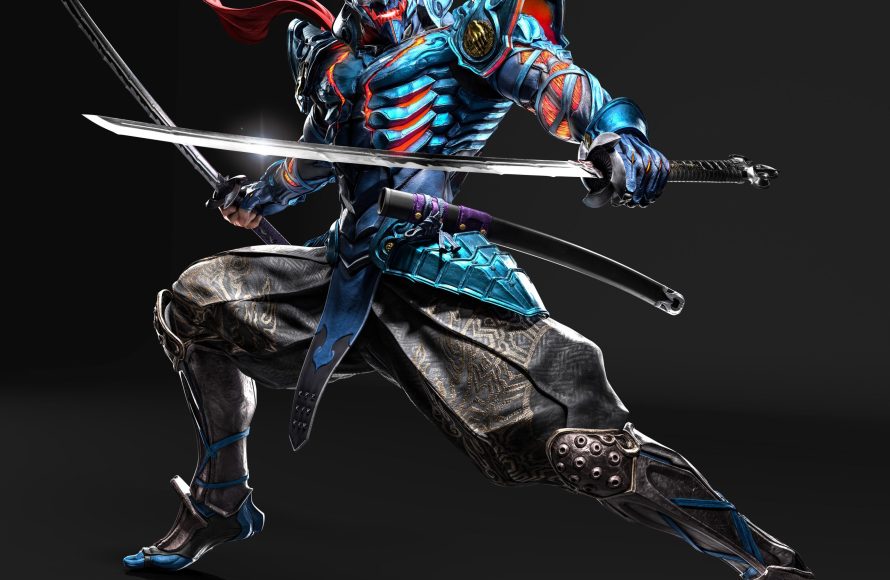
Tekken 8 recognizing visual cues
is key to predicting opponents’ moves and reacting effectively during matches.
Have you ever felt like your opponent in Tekken 8 is reading your mind? It’s not magic, but often, it’s their skill in understanding subtle animations. Players who excel at Tekken 8 recognizing visual cues gain a significant advantage.
They’re not just memorizing move lists, they’re also studying character stances and start-up animations. This allows them to anticipate attacks and execute precise counters. Improving your ability to spot these clues will drastically improve your gameplay.

Tekken 8 Recognizing Visual Cues
Okay, let’s talk about something super important in Tekken 8: seeing what’s going on! It’s not just about mashing buttons. A big part of winning is about watching carefully and using what you see to your advantage. Think of it like a game of tag. If you see someone about to tag you, you move! In Tekken 8, you see things on the screen that tell you what your opponent is about to do, and you react.
Understanding Character Animations
Each character in Tekken 8 moves in a unique way. They have their own special poses, jabs, kicks, and throws. When you’re learning a new character, take the time to watch how they move. This is called understanding their animations. This helps you learn to predict what they will do. It’s like learning to read their mind, but with your eyes!
Idle Stances
Start by looking at the character’s idle stance – how they stand when they’re not moving. Some characters stand tall and ready, while others crouch or sway. This can give you a hint about their play style. A fighter who stands tall might be about big, powerful moves, while a crouched character might be ready to dart in and out with quicker attacks.
Attack Wind-ups
Next, notice how their attacks start. Do they pull their arm way back before a punch? Do they lift their leg high before a kick? This “wind-up” gives you a short time to prepare a counter move. For instance, if you see a character winding up for a slow, high kick, you might have enough time to duck and avoid it. Then, you might even get a chance to hit them when they are vulnerable.
Movement Patterns
Pay close attention to how your opponent moves around the stage. Do they move a lot, or do they stay in one place? Do they step to the side often? This can tell you a lot about their strategy. If they are constantly moving, they might want to confuse you, while a player who stands still might be waiting for an opening to strike. Observing movement patterns helps you predict where they might be going next. It is like when the ball is moving in football. You watch the movement of the ball, and from that, you predict what will happen next.
Recognizing High, Mid, and Low Attacks
Tekken 8, like many fighting games, has attacks that hit different parts of your body: high, mid, and low. Recognizing these different types of attacks visually is important for defending. You must be able to see the type of attack and block or evade.
High Attacks
High attacks are usually attacks that happen near the head. They are often easy to block while standing. You will see that the opponent’s attack animation is high on the screen, so you will understand from that movement that the attack is a high attack. But if you duck, you can avoid high attacks. But keep in mind that it’s usually not safe to just stay ducking because of mid attacks.
Mid Attacks
Mid attacks are the most common. They are attacks that hit you while you stand or crouch. You’ll often see these as punches or kicks aimed at your chest or waist. These are the hardest attacks to avoid because you usually can’t duck under them. Blocking is often your best choice with these attacks. It’s also important to notice which of the opponent’s mid attacks are unsafe on block. If an attack is unsafe on block, this means that the opponent is at a disadvantage if you block it. So you get a good chance to counter attack after blocking a move that is unsafe on block.
Low Attacks
Low attacks hit you low, like at your legs or feet. You have to duck to block them! These attacks are often sweeps or low kicks that force you to react. If you see an attack coming very low, you need to duck and block. If you don’t block low attacks while ducking, you are vulnerable and can get hit. You can also punish some low attacks if they miss by using a fast low attack, since they are unsafe on whiff. The low attacks are often slow in their startup so, you will have enough time to react to it.
Understanding Visual Effects
Tekken 8 is full of visual effects. These are not just for show. They actually give important information about what’s happening. You must learn what they mean to become a better player.
Attack Effects
When an attack hits, there might be a flash of light or some impact effect. These visual effects tell you how much damage was done, and if it caused a critical hit. If you see a red flash and hear a special sound, you know that it was a really powerful attack. This gives you feedback on how to be more careful. When you hit the opponent, you see the attack effects; if you are a new player, try to hit and see the effects when the hit is connected and remember how it looks.
Block Visuals
When you block an attack, you will see a different effect. This visual will tell you that you blocked the attack successfully. If you are seeing that you blocked properly, then you won’t be hurt from the attack. Also, there is an effect that shows if you are blocking while crouching. The visual effects will tell you the difference between blocking mid and blocking low.
Armor Visuals
Some attacks in Tekken 8 have “armor.” This means that they can go through regular attacks. When you see an attack with armor, it often has a shimmering or colored effect. If you see that effect, be careful. Don’t try to stop the move with a normal attack; instead, use a throw or a low attack, or simply get out of the way. Armor can be hard to play against so, always look for the visual clues.
Reading Opponent’s Tendencies
As you play more, you will start to see patterns in how your opponents play. If they like using the same attacks over and over, you can predict and counter their moves. Watching your opponent’s habits is just as important as watching their moves. This is like learning their routine, and using that knowledge to your advantage.
Pattern Recognition
Do they always start with the same move? Do they always do a low attack after a certain action? Once you start to recognize those patterns, you can exploit them. If they always do the same move at the start of the round, you can prepare to defend against that move. For example, if your opponent always goes for a low attack after a mid attack, you can anticipate the low attack and block it, or maybe launch an attack to interrupt that low attack.
Adapting Your Playstyle
If you see that the other player is always blocking low attacks, then you can use more mid or high attacks. If you see they always use attacks that go through your armor, you might want to use more throws. Adapting your play style according to the other player’s pattern will increase your chances of winning. If they are playing defensively, you need to switch your plan to use more mixup-type attacks. And if they are playing aggressively, you need to make a plan to punish them for using that aggressive strategy.
Using Practice Mode for Visual Cue Training
The practice mode in Tekken 8 is your best friend. It allows you to practice reacting to specific moves and patterns, and you can practice until you become really good at it. You can improve your reactions with the help of the practice mode. It will be a great advantage to you if you know how to use it.
Recording Actions
You can record specific actions from a character and then play them back. This can help you recognize them every time. This will also help you practice your reaction time to those moves. You can record any move, and you can practice against it as much as you want. This is the best way to learn specific attacks.
Setting Up Scenarios
You can set up practice scenarios to work on your defense against particular attack strings. For example, you can make a situation where the opponent always does a mid followed by a low attack. Then you can practice blocking or dodging these sequences of attacks.
Repeating Drills
Repetition is very important when learning a new move. Using practice mode, you can do drills over and over until you can react to moves by simply seeing them on screen. Practice makes perfect; you have heard it before, and you need to remember it! With enough training in practice mode, you will be able to use those moves more effectively when you play a real match against a real opponent.
Frame Data and Visual Cues
While frame data might seem intimidating, it goes hand-in-hand with visual cues. Frame data tells you how long an attack takes to start up and how long it lasts. But you have to see it in action to understand it. Once you get familiar with frame data, it will really increase your level.
Startup Frames
Startup frames are the number of frames an attack takes to come out. This means that a move with many startup frames will be slow. On the other hand, a move with low startup frames will be fast. You will see it in action by paying attention to the visual cue. A slow move will have a big visual wind-up that lasts a long time. A fast attack will have a very little wind-up and it will connect quickly.
Recovery Frames
Recovery frames are the number of frames it takes for a character to recover after an attack. If a move has many recovery frames, that means that the attacker is vulnerable, and can be punished. If an attack has low recovery, that means the character will quickly recover from it. With visual clues, you can see that slow recovery attacks will leave the character exposed for a short time.
Putting it together
Using both frame data and visual clues will allow you to play better and make you understand the game to the next level. By using these two, you will be able to punish moves more efficiently, and you will be able to predict the other player’s move more easily.
Advanced Visual Cue Techniques
Now that we’ve covered the basics, let’s move on to some advanced techniques that can make a big difference. These techniques take time to learn, but they are worth it.
Recognizing Delayed Attacks
Some characters have attacks that are intentionally slow or delayed. These can be really hard to predict. You have to pay very close attention to those visual cues to react on time. Sometimes a delayed attack is used to make you block too early, or it may get you to move at the wrong time so that the attack connects with you. The delayed attacks can be used with multiple mixups, which make it very hard to predict the attacks.
Feinting and Mind Games
Some skilled players use feints, which are basically fake-outs. They will start an attack but cancel it, or quickly do a different attack. These can be hard to predict if you rely solely on reading the animations. You should understand that you should not react to every visual cue and try to think like the opponent.
Using Visual Cues in Combos
Once you understand visual cues, you can use them in combos. You can see the animation of your character and use that knowledge to continue the combo. You can use the animation of your move to know when to press the buttons to connect the next move.
Putting It All Together
Recognizing visual cues in Tekken 8 is a crucial skill. It’s not just about reacting quickly, but also about observing patterns, understanding the character animations, and recognizing the special effects on screen. Every little thing matters when you play the game. Take the time to practice, and you will definitely improve. The more you understand what’s happening, the better you’ll be at anticipating attacks, defending yourself, and winning. Don’t be discouraged if you don’t see the visual cues immediately; the visual cues are very small sometimes. With practice, you will get better.
Improving at Tekken 8 is a journey. The visual cues are like the map that will get you there. Keep practicing and keep learning; you will improve a lot.
3 Types of Confirmable Strings in Tekken 8
Final Thoughts
Tekken 8 recognizing visual cues proves crucial for high-level play. Players who anticipate opponents’ moves based on animations gain a significant advantage. This skill separates good players from great ones.
Learning these cues takes time and practice. Effective training focuses on identifying key animation tells. It allows for quicker reactions and better counter strategies.
Ultimately, Tekken 8 recognizing visual cues directly impacts a player’s success. Therefore, visual awareness is a core skill for any aspiring champion.

