
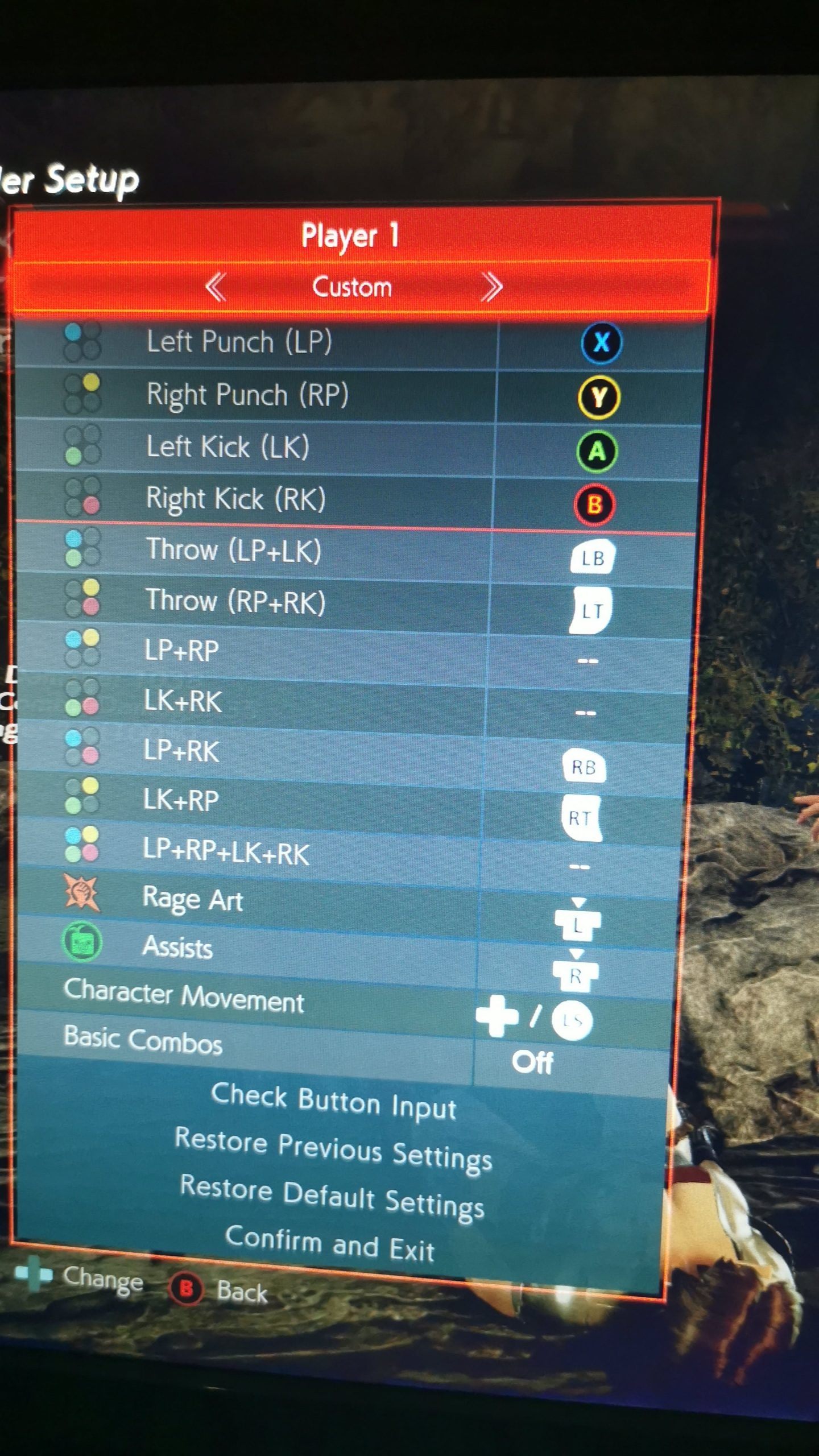
Some good Tekken 8 setups involve using wall carry combos, utilizing heat engagers effectively, and understanding frame data for pressure.
So, you’re diving into the intense world of Tekken 8, huh? It’s a fast-paced fighting game, and knowing the ropes with effective strategies can really boost your gameplay. We’re often asked about getting ahead with the game and this article is going to focus on Tekken 8 what are some good setups to help you improve.
Specifically, we’ll be focusing on practical setups that can quickly provide a competitive edge. We’ll cover concepts like wall carries, heat system usage, and frame data advantages so you can feel ready for your next match.

Tekken 8: What Are Some Good Setups?
Okay, let’s talk serious Tekken 8 strategy! You’ve probably been throwing punches and kicks, maybe even pulled off a cool rage art. But to really climb the ranks and dominate your friends (or rivals online!), you need to understand setups. These aren’t just random moves; they’re planned sequences that force your opponent into a tough spot, letting you land some big damage. In this article, we’re going to explore some great setups you can start using right now. These setups cover a variety of characters and situations, helping you become a more well-rounded player. We will explore fundamental setups, character specific setups and a more deeper understanding.
Understanding the Basics of Tekken 8 Setups
Before we dive into specific combos, let’s understand what a “setup” actually is. Think of a setup as a trap you lay for your opponent. You use moves to put them in a certain position where you have a clear advantage. This advantage can be for a mix-up, a guaranteed hit, or to limit their options. A good setup takes advantage of your opponent’s reactions and often makes them do what you want them to do, they force opponent to respond, leaving them vulnerable. There are different types of setups, some focus on getting an opponent on the ground, other on forcing certain blocks and some involve wall carrying opponents in close proximity to the wall.
Key Elements of a Successful Setup
- Conditioning: You need to condition your opponent. This means using certain moves often enough that your opponent starts to expect them. Then, you can surprise them with a different option within your setup. For example, you might use a low attack several times, making them block low. When they’re conditioned, try a mid attack.
- Mix-Ups: A good setup includes mix-ups. This means having options that force your opponent to guess between different attacks. Common mix-ups are high/low or left/right. If you can condition them to block one direction then you can follow up with the other direction.
- Frame Advantage: Frame advantage means you recover faster from a move, allowing you to act before your opponent. Frame advantage helps in applying pressure and launching attacks. Knowing when you are at an advantage is crucial to apply successful setup.
- Punishment Awareness: Understanding which moves are unsafe on block is extremely important. Your opponent can punish you hard if you just use unsafe moves randomly. Therefore, a great setup avoids easy counterattacks.
Fundamental Setups: Universal Techniques
These setups work well with many characters in Tekken 8. They focus on basic Tekken principles and are a great starting point for any player.
The Power of the Low Poke
A low poke is a quick, low-hitting move. It doesn’t deal a lot of damage, but it’s great for getting your opponent to crouch block. Many players are scared to get hit with low attacks, so they’ll block them. By poking them with low attacks, you can make them block low. Then, you can go with a mid attack like a hop kick or a launcher.
Here’s how to set it up:
- Use a low poke (like down+1, down+2 or any other common low poke) a few times.
- Watch how your opponent reacts. If they block low, try using a mid attack.
- If the mid attack hits, you’ve successfully conditioned them. If they still block low, continue with low pokes and maybe go for a throw to open them up.
Why this works: Low attacks are hard to react to. By making your opponent guess whether to stand or crouch, you open up opportunities for bigger damage.
The Throw Game
Throws are a fundamental part of Tekken. They ignore blocking, and great throws can lead to great damage. Using throws in conjunction with attacks can lead to successful setups.
- Mix Throws with Attacks: After hitting a few attacks, go for a throw. This will force your opponent to consider breaking your throws.
- Use different throws: If the opponent is just waiting to break your throws, use different throws that have different break inputs. If they are breaking throws with square button, use throw that needs circle or triangle button.
- Punish whiffed throw breaks: If the opponent tries to break your throw and fails, they are vulnerable for a short period. Use this time to launch an attack.
Why this works: Throws add another layer of guessing to the game. They make your opponent hesitate, and any hesitation in Tekken is a mistake, you can punish this and create offensive pressure and open up opponents defenses.
Character-Specific Setups: Expanding Your Arsenal
Now, let’s look at some setups specific to a few popular characters. Remember, these are just examples, and every character has their own unique move sets you should explore.
Jin Kazama: Pressure and Mix-Ups
Jin is known for his strong mix-up potential. He has several powerful moves that allow him to apply pressure. Let’s take a look at some of his strong setups.
- Fist of the Wind (f+4): This move is very fast and great for pushing opponents back. After it hits, Jin has a lot of frame advantage. If you see that opponent is trying to attack after your fist of wind hit, you can try to counter attack or block their response.
- From Fist of the Wind: You can follow up the fist of the wind with a variety of moves, such as a launcher like a hop kick, which could catch your opponent if they’re trying to attack.
- Electric Wind God Fist (EWGF): The most popular and effective move, you can use the EWGF to keep the offensive pressure on your opponent. You can use this from the fist of wind follow up as well, and it is much more effective than using it alone.
- Low Attacks: After using a lot of mid attacks like the EWGF and fist of the wind, you can use Jin’s low attacks. You can follow up with a mix up between his normal low attacks and his other attacks. This can give you a great offensive pressure.
Why this works: Jin’s variety of options after a move like f+4 makes him very difficult to block. Opponents must respect Jin’s mix-ups or face big damage.
Paul Phoenix: The Powerhouse
Paul is all about big, hard-hitting moves. His setups often involve moves that launch the opponent, allowing for powerful combos.
- Death Fist (qcf+2): This move is very slow, but very powerful and can be a good threat and also can be used as a bait. If it hits it is a big damage dealer, if it is blocked it is not that easy to punish. So it can be a good threat to put fear in opponent.
- Demolition Man (f,f+2): When done with precise timing can be a strong launcher. If you are close to a wall, use this to push opponent to wall. And make use of wall splat damage.
- Mix it Up with his low attacks: Paul has some decent low attacks that also can be mix up. If your opponent is respecting the mid attacks and death fist, you can use his low pokes to open their defense.
- The power of throws: His throws are very powerful and useful, use them to condition the opponent. You can use the throws when opponent is trying to block your high attacks.
Why this works: Paul forces opponents to respect his power. This gives you more freedom to use his moves, and catch opponents out for heavy damage.
King: Grappling Domination
King is a master of throws and grapples. His setups revolve around getting his opponent into grapple range.
- Chain Throws: King has a ton of different throws. Try to chain different throws together. When opponent starts breaking, change your throws and make sure that you know which break each throw needs.
- Mix throws with attacks: After using a series of throws, start mixing attacks with throws. If you conditioned opponent to block your throws you can punish them with attacks. If you conditioned them to break the throws, you can use other throws to open them up.
- Use his grounded mix ups: When you put opponent on the ground, king has special mix ups he can do. Learn them and try to utilize them in the fights.
- Use his rage art safely: King has the ability to use his rage art safely from a block, you can bait opponents and punish them when they are trying to react to your rage art.
Why this works: King’s throws are unpredictable. He excels in close-range fights where he can throw an opponent off-guard.
Advanced Setup Concepts
Once you have a good understanding of the basic and character-specific setups, you can start to explore more advanced techniques.
Okizeme: Attacking the Opponent on the Ground
Okizeme is the art of attacking an opponent as they’re getting up from the ground. A good okizeme setup can keep the pressure on the opponent and force them to make mistakes.
- Time your attacks: You need to time your attacks so they land just as your opponent is getting up. If it lands early or too late, your opponent has an easy time to block and punish your attack.
- Use mix-ups: Once they know you will be attacking them when they stand up. You can use low attacks and high attacks, make them guess.
- Consider your positioning: How close you are to opponent is very important. If you are too close you can get hit by their wake up attacks, if you are too far, they will have an easy time getting out of okizeme pressure.
Why this works: Okizeme puts the opponent in a very vulnerable position. They’re forced to react to your attacks while also trying to get back on their feet.
Wall Carry and Wall Combos
Walls in Tekken are your best friend. Pushing your opponent to a wall opens up a lot of combo opportunities and deals bonus damage. Learning how to carry opponents to the wall and make use of the wall splat damage is crucial to become a better player.
- Launch near the wall: Try to launch your opponent near the wall. When they fall on the wall they will get hit with a wall splat, this creates the opportunity to do wall combo to deal extra damage.
- Use moves that push: Some moves push the opponent across the screen, making them very useful for wall carry. Some throws also do wall carry. Try to experiment with all the moves you have.
- Learn wall combos: Each character has unique wall combos. Experiment and practice wall combos. The more combos you learn, the more damage you will inflict on your opponents.
Why this works: Walls create a damage multiplier. They can turn a good combo into a devastating one.
Using Movement to Create Setups
Don’t forget about movement in Tekken. Good movement can create openings for your attacks and even help to evade attacks. Movement should also be part of your setup. Use movement to create a window of opportunity for your attacks.
- Backdashing: Backdash can be very useful in creating space to make opponents whiff their attacks. You can punish them when they are vulnerable after whiffing.
- Sidestepping: Sidestepping is useful for avoiding linear attacks. If your opponent is using many linear attacks, side stepping to avoid their attacks and punish them can create a great opportunity.
- Movement mix-up: Use different movements such as side walking, back dashes and crouch dashes to confuse the opponent. This will create opportunities to punish their mistakes.
Why this works: Movement is very important part of Tekken and is a core concept to win battles. If you learn to incorporate it in your setups, you will have a much stronger offensive game and create better windows of opportunity.
By understanding and implementing these techniques, you’ll begin to see a huge improvement in your Tekken 8 matches. Remember, practice is key! Spend time in training mode to get these setups down, and you will soon be ready to win online against other players.
Learning setups in Tekken 8 is not a one time thing. It requires time and dedication. You have to study each characters moves and use it in the best way possible. Try to experiment all kinds of different moves to find out the best ones. Then incorporate those moves in your set ups, and when you are consistent with those setups, you will be able to win matches very easily. Remember that practice makes perfect, and you will eventually become very good at this amazing fighting game.
Which Controller Should You Use in TEKKEN 8? – The Tekken Controller Guide
Final Thoughts
In short, consider using throws after a blocked string. Mix low pokes with mids to keep opponents guessing. Using frame traps effectively puts pressure on rivals.
Remember movement and spacing are important for creating opportunities. Tekken 8 what are some good setups rely on solid fundamentals. Find characters whose moves flow well with your preferred style of play.

