
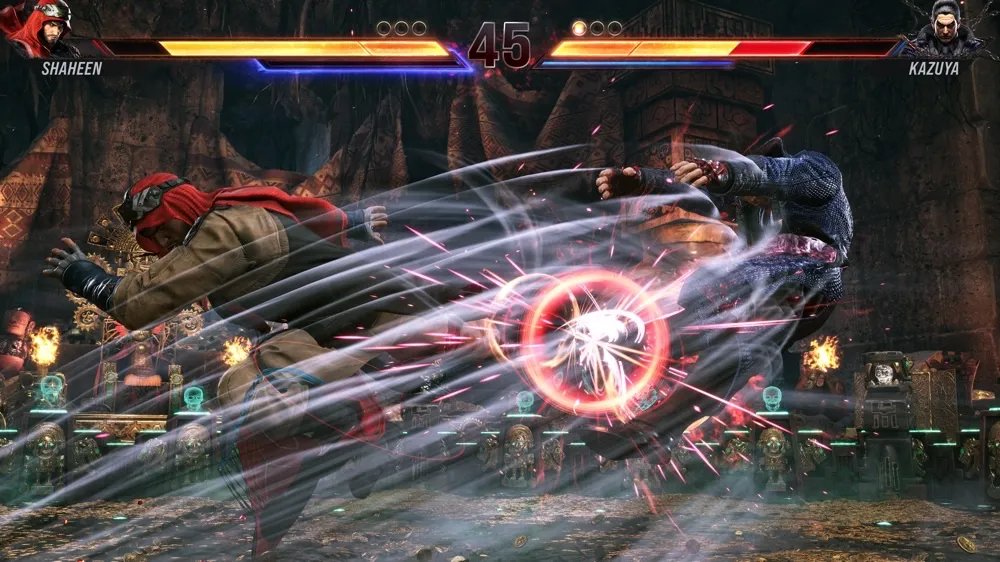
The pace of Tekken 8 is primarily controlled by the Heat System, aggressive movement options, and the risk/reward balance of its offensive mechanics.
The clashing of steel and the roar of the crowd, Tekken 8 is intense. What dictates this breakneck speed, this dance of destruction? Many new players ask about Tekken 8 what controls the pace of the game. The answer isn’t straightforward, it’s a mix of different systems all working in tandem.
The Heat system heavily influences this back-and-forth. It incentivizes aggression, pushing players to seize the offensive. Aggressive movement options and the risk of these powerful moves dictate the flow of combat, creating a constant battle for control.

Tekken 8: What Controls the Pace of the Game?
Alright, let’s dive into the heart of what makes Tekken 8 tick! We all know it’s a fighting game, but what makes a match feel fast and furious or slow and methodical? It’s not just button-mashing; there are a lot of things working behind the scenes that control how quickly or slowly the game unfolds. Let’s explore these elements together, shall we?
The Core Mechanics Shaping the Flow
Tekken 8, like its predecessors, has a set of core mechanics that really dictate how matches play out. These are the building blocks that everyone uses, and they create a kind of framework for how fast the game feels.
Movement and Positioning
One of the biggest factors that sets the rhythm of a Tekken match is character movement. Unlike some fighting games, Tekken offers a full 3D plane to navigate, which is a huge deal. Here’s how movement plays into pacing:
- Walking & Backdashing: These are the basic ways to move around, and they let players control distance. Slow, deliberate walking can lead to a more patient game, while quick backdashes can create space for a counter-attack.
- Sidestepping: This allows you to dodge linear attacks by moving around your opponent. Good sidestepping can totally change the dynamic of a fight, making aggressive players re-think their strategy. It’s a quick movement that can either speed things up by creating openings or slow them down by making attacks whiff.
- Forward Dashes and Running: These allow for quick closing of distance, making the game feel more frantic and aggressive. When players start dashing in and out, you can see the pace pick up immediately.
- Jumping: Not always used for offense, but it’s an element that can add a different flavour to the movement. Using jumps to avoid low moves or start a powerful attack can sometimes speed up the momentum of a fight by adding an element of unpredictability.
Attack Structure and Frame Data
Another huge contributor to game pace is how attacks are built. Think about how long an attack takes to start up, when it connects, and when your character can move again. This is all governed by something called “frame data.”
- Startup Frames: These are the moments before an attack actually hits. Attacks with slow startup make the pace feel more measured, while quicker startup moves can lead to fast combos and pressure.
- Active Frames: This is the window where an attack can actually hit the opponent. Longer active frames make moves more forgiving and can sustain pressure, influencing how aggressively a player can act.
- Recovery Frames: These are the moments after an attack where your character is still vulnerable. Moves with long recovery can slow the game down, because players are hesitant to use them frequently without an opening.
- Block Advantage and Disadvantage: When you block an attack, the frame data determines who can move or attack first. Getting block advantage after a move allows you to press the attack. However, if your attack is negative on block, you could be punished if you press buttons. This back and forth interaction is core to pacing and adds another layer to the decision-making process.
Heat System
A brand-new addition to Tekken 8 is the Heat System, and it has a monumental effect on game pacing. Here’s the breakdown:
- Activating Heat: When you enter Heat state, your character gets enhanced properties, allowing you to press your offense with more freedom and potential for strong damage. This is a huge game changer and definitely speeds up the pace.
- Heat Engagers: These are moves that allow a character to activate the Heat state. Players looking to speed things up will use these moves frequently, making the match a lot more dynamic.
- Heat Smash: A powerful attack only available in Heat state which helps make the game more explosive. The threat of a heat smash also makes players less willing to stay on the defensive.
- Heat Dash: Another move available in the Heat state that can be cancelled to keep the opponent guessing, and this can add more aggressiveness to the pace.
Overall the Heat system encourages players to push more, leading to faster, more action-packed encounters. You can see the change when players have Heat vs. when they do not. This is a major shift from previous Tekken games where pacing was generally slower in neutral.
Character Archetypes and Their Impact
The characters themselves play a major role in the speed of a match. Each fighter is built with a different style, meaning they naturally excel in different rhythms of gameplay.
Aggressive Rushdown Characters
These characters are designed to be in your face, constantly attacking and pressuring. They tend to have fast attacks, strong mix-ups, and tools for closing distance quickly.
- Examples: Characters like Law, Bryan, and Hwoarang often fall into this category.
- Pace Control: Rushdown characters typically dictate a faster pace, forcing opponents to react and defend. They want to overwhelm and pressure you until you make a mistake.
Defensive and Zoning Characters
These characters prefer to keep their distance, use projectiles, or have strong defensive options. They like to slow things down and punish mistakes.
- Examples: Characters like Feng, Zafina, and Dragunov can often play this role.
- Pace Control: Defensive characters prefer slower, more strategic gameplay. They will control space and make you come to them. They force patience, meaning the flow of the game tends to be slower.
Balanced Characters
These characters are versatile and can adapt to different playstyles. They don’t necessarily excel in speed or defense but can control the game to a certain degree with a good player behind the controls.
- Examples: Characters like Kazuya, Jin, and Paul are often good examples of balanced characters.
- Pace Control: Balanced characters can play at any pace. They are not bound by one strategy, making them adaptable and unpredictable. They are capable of slowing the pace if they are at a disadvantage or they can speed up their momentum when they are in advantage.
Player Strategies and Mind Games
While the game mechanics and character types are important, ultimately, the players’ choices control the pace of a Tekken match. A defensive character can play aggressively, and an aggressive character can play defensively. It all depends on the player.
Aggressive Playstyle
Players who favor an aggressive approach focus on quickly closing the distance, landing strings of attacks, and maintaining pressure. They are constantly looking for an opportunity to overwhelm their opponent. Here’s what it looks like:
- Dashing and pressure: Always moving forward and pressuring with fast attacks.
- Mix-ups: Constantly changing the height of your attacks to make it difficult to block.
- High risk, high reward: Taking chances to land powerful hits.
Defensive Playstyle
Defensive players are more patient, waiting for openings and punishing mistakes. They focus on controlling the space, blocking attacks, and counter-attacking.
- Patience: Waiting for the right opportunity.
- Spacing and whiff punishing: Using distance to punish missed attacks.
- Solid Blocking: Patiently defending to open the counter-attack opportunity.
Adapting to Your Opponent
The best Tekken players don’t just stick to one style. They adapt to their opponents by recognizing how they play. Here’s how that works:
- Identifying the flow: Quickly understanding how an opponent plays.
- Adjusting accordingly: Changing playstyles based on the opponent’s strategy.
- Creating opportunities: Using the opponent’s patterns to your advantage.
External Factors Affecting Pace
Beyond the game itself, there are even external factors that can affect how a Tekken match feels. While these are not directly part of the game, they still play a part in influencing the pace.
Connection Quality (Lag)
Online play has become essential in modern fighting games. A bad connection with noticeable lag can make the game play really slow and inconsistent. Here’s how it impacts the pace:
- Input delay: Actions take longer to register, making it difficult to time moves properly.
- Stuttering and freezing: The game can pause or glitch, ruining the flow of the fight.
- Slowed reactions: Lag can make it tough to react quickly, which changes how a match feels.
Tournament Environment
Playing in a tournament setting is very different from playing at home. Pressure, crowd noise, and stakes can make a huge difference. Here is how it can affect pace:
- Increased Tension: The pressure of a competition can make players more cautious.
- Slower pace: Players tend to be more careful and deliberate in their moves.
- Mindset changes: Fear of losing can change player behavior and therefore the pace of the match.
Ultimately, the pace of Tekken 8 is a complex dance between the game’s mechanics, the character’s unique abilities, and the strategies of the players involved. All these factors combine to create the unique experience that Tekken fans know and love, making each match feel fresh and exciting. So, next time you’re playing, think about what is making the game feel fast or slow – you might just get an edge in your next match!
TEKKEN™8 – Jin School – Rhythmic Pressure part 2 – Pace Control
Final Thoughts
Tekken 8’s pace hinges on aggressive offense and movement options. Players dictate the speed through pressure and sidesteps. Characters with strong tools for rushdown tend to push the pace.
Defensive options also play a key role in slowing down momentum. Smart use of parries and backdashes shifts the flow. The ebb and flow between aggression and defense is central to Tekken 8 what controls the pace of the game.
Ultimately, player choices and understanding of character kits define match speed.

