
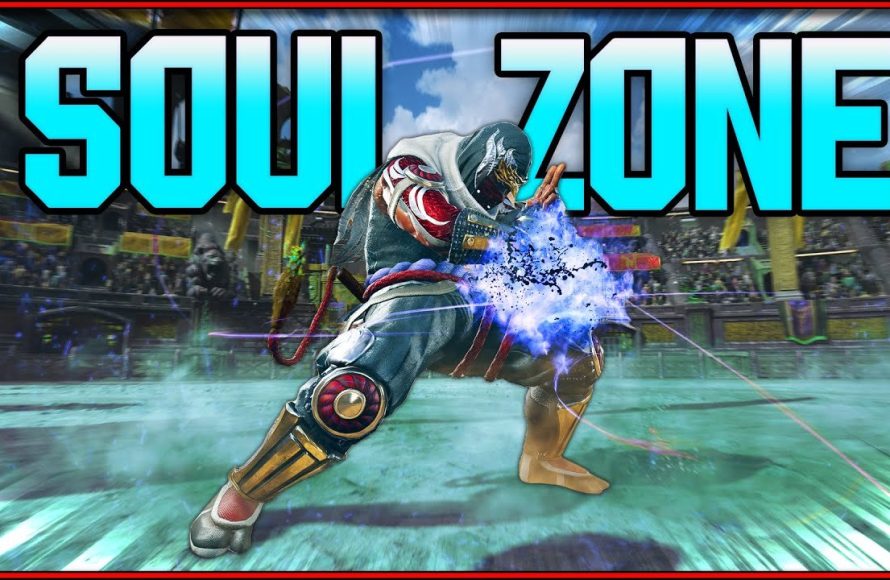
Tekken 8 zoning game techniques primarily involve using long-range attacks and movement to keep opponents at bay, creating space for safe engagements and punishing their approaches.
Ever found yourself struggling against a character who seems to control the screen in Tekken 8? That’s probably because they’re using effective Tekken 8 zoning game techniques. It’s a style of play that emphasizes keeping opponents at a distance. It involves carefully picking your engagements.
Good zoning uses projectiles, long-reaching kicks, and back-dashing to make your opponent approach cautiously. You want to dictate the pace of the fight, making them play your game. Mastering this aspect of Tekken will improve your defensive capabilities.

Tekken 8 Zoning Game Techniques
Okay, let’s talk about keeping your opponents at a distance in Tekken 8! This is called “zoning,” and it’s a super important part of the game. Instead of always rushing in, you can use specific moves to control the space between you and your opponent. Think of it like being a smart player who uses their brain and not just their fists! Zoning is about making them come to you, and then punishing their mistakes when they try to get close.
Understanding the Basics of Zoning
Before we jump into specific moves, let’s understand the core idea. Zoning is all about controlling the neutral game, which is the part of the fight where no one has a clear advantage. It’s about making your opponent uncomfortable and forcing them to play your game. Here are some key aspects:
- Space Control: Keeping your opponent where you want them, usually at a specific distance.
- Poking and Whiff Punishment: Using quick, safe moves to make your opponent think twice before acting, and then hitting them if they miss.
- Forcing Approaches: Making your opponent have to come toward you, opening them up for your counter attacks.
- Safe Offense: Using attacks that are hard for your opponent to punish if they block.
- Patience: Knowing when to be aggressive and when to play it cool.
Zoning isn’t just about throwing out moves randomly. It’s about being smart and making your opponent play the way you want them to.
Key Moves for Zoning
Now, let’s talk about the moves that will help you zone effectively. It’s not about just one specific move, but a combination of tools. Different characters have different moves, but most will have tools in these categories:
Long-Range Pokes
These moves are your bread and butter for keeping opponents at bay. They are fast, relatively safe, and reach far. Think of them as your long-reaching “hello” to anyone trying to get close. Here are some common examples:
- Straight Punches/Kicks: Many characters have a straight jab or a long reaching kick that can keep opponents away. These are usually fast and safe, so you can throw them out frequently.
- Low Pokes: A quick low attack that can make your opponent have to block low. If they’re always standing, they will get hit with this.
- Mid-Range Sweeps: These moves have a bit more risk, but they can hit from further away. They are good for when your opponent is playing a little too passively.
Projectiles (If your Character Has Them)
Some characters, like Jin or Devil Jin, have special projectile moves. These are powerful tools for zoning but need to be used smartly because they can often be sidestepped or jumped over.
- Fireballs or Energy Blasts: These can force the opponent to approach you while giving you more time to think.
- Low Projectiles: These require your opponents to jump to avoid and can lead to big punishes if they are predictable.
Keep Out Moves
These are moves that send your opponent flying away if they get too close. They usually have more startup, but they do a lot of damage if they hit. These are great for stopping an aggressive opponent in their tracks.
- Long-Range String Moves: A series of moves that goes out further and often pushes the opponent back.
- Big Punches/Kicks: Moves with a lot of power and a good amount of distance that can deter aggressive enemies.
Movement and Positioning
Zoning isn’t just about moves; it’s about moving around well! It’s important to move in and out, using back dashes and sidesteps to keep you safe. Here’s why good movement is a zoning essential:
- Backdashing: Move away from your opponent’s attacks to increase distance.
- Sidestepping: Move to the sides to avoid predictable linear attacks and projectiles.
- Spacing: Constantly adjust your position to maintain the distance you want.
How to Use Zoning Effectively
Now that we know the moves, let’s see how to combine them. It’s not just about doing the same move over and over! Here’s a breakdown of what to do:
Vary Your Attacks
Don’t be predictable! If you keep using the same move, your opponent will easily find a way to get around it. Mix up your long pokes, low pokes, and keep-out moves to keep your opponent guessing. Here’s why variation is key:
- Create Uncertainty: If the opponent doesn’t know what to expect, they can’t plan ahead.
- Exploit Patterns: When they get used to your one pattern, switch it up to throw them off.
- Punish Reactions: If they try to counter your normal attack, you can use a different type of attack to catch them.
Whiff Punishment
This is where zoning becomes offensive! When your opponent tries to attack and misses, that is a “whiff.” Be ready to attack them when they miss. This is a very important part of zoning:
- Watch Their Attacks: Pay attention to when they’re trying to hit you.
- Quick Counter Attacks: When they miss, use a fast move to hit them when they are vulnerable.
- Practice: You need to practice to get good at predicting and punishing whiffs.
Controlling the Pace
Zoning is not about constantly attacking. It’s about making your opponent uncomfortable and making them play at your speed. When they rush you, make them back away again with your zoning tools. When they become too passive, make them move by attacking or approaching, giving you more space to play with.
- Make Them Come to You: Force them to approach you by controlling the space.
- Change Speeds: Sometimes attack more and sometimes stay back, creating a rhythm of your own.
- Exploit Their Frustration: Opponents may get frustrated and make mistakes which you can punish.
Adapting to Your Opponent
Zoning isn’t a one-size-fits-all strategy. You need to adapt to your opponent’s style. Here’s how:
- Understand Your Opponent: Do they play aggressively? Do they like to turtle? Adjust your playstyle to exploit their weakness.
- Adjust Your Moves: If long pokes aren’t working, use low attacks more or vice versa. If they are jumping a lot use anti-air attacks.
- Don’t Be Stuck: If one strategy isn’t working, try something else quickly.
Common Zoning Mistakes and How to Avoid Them
Even with great moves, you can still mess up. Here are some common zoning errors and how to fix them:
Being Too Predictable
This is the biggest mistake! If you keep using the same attacks and spacing, good players will learn what you will do. Here’s what to do instead:
- Mix Up Your Moves: Use various attacks to keep them guessing.
- Change Your Spacing: Sometimes move in and out to keep them unsure.
- Vary Your Timing: Don’t always attack at the same time.
Forgetting to Defend
Don’t get so focused on zoning that you forget to block! Pay attention to your opponent’s attacks and be ready to defend yourself. Here is how to make sure you are safe:
- Stay Alert: Always be ready to block or sidestep an incoming attack.
- Don’t Overextend: Don’t use risky moves, if your opponent gets close, go back to safety.
- Use Safe Moves: Stick to quick and safe moves that can keep them back.
Not Punishing Whiffs
If you aren’t punishing your opponent for missing, you are missing out on big chances to get damage. Here’s how to be better at it:
- Watch Their Attacks: Pay attention to their moves.
- Quick Punishes: Practice hitting them when they whiff.
- Stay Focused: Don’t let your mind wander.
Ignoring Movement
Movement is half the battle! If you are not moving around, you will get stuck in the same spot and become predictable. Here’s why movement is important:
- Backdash to Safety: Use this to create space and reset the engagement.
- Sidestep Dangerous Attacks: Use sidesteps to get away from linear moves.
- Don’t Be Stationary: Moving makes you harder to hit and easier to zone.
Practicing Your Zoning Game
Okay, now you know the theory, it’s time to practice. Here are some ways to get good at zoning:
- Training Mode: Spend time practicing your pokes, keep-out moves, and movement. Use the training dummies to try out different distances and timings.
- Watch Pro Players: See how top players use zoning in real matches.
- Play Against Others: Test your skills against different players.
- Record Yourself: Look at the videos to see your patterns and mistakes.
Zoning is a skill, and like all skills it takes time and practice to get good at it. But when you master it, you can dominate your opponents.
In conclusion, the zoning game in Tekken 8 provides a smart approach to matches by maintaining the desired distance, employing safe and quick attacks, and creating opportunities to punish mistakes. By mixing up the moves, keeping on the move, and having a good understanding of your opponent, you can play the game with much more control and strategy.
STOP guessing! Flash Duck/Fuzzy Duck (4 minute Tekken 8 Guide)
Final Thoughts
Effectively using space and movement controls the pace of a fight. Punishing opponents for overextending is key. Careful use of pokes and projectiles keeps opponents at bay.
Tekken 8 zoning game techniques depend on character-specific tools. Players must understand their character’s strengths for this style. Practice is essential for efficient application.

