
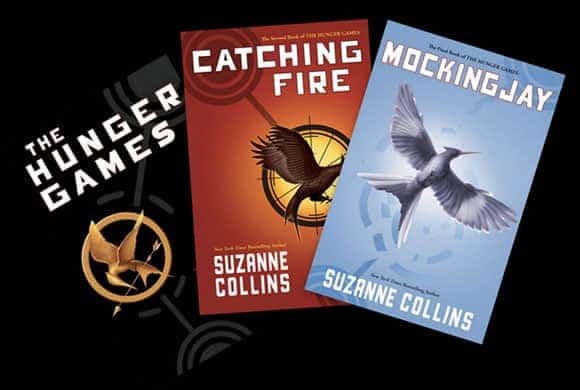
The Hunger Games book is generally appropriate for readers aged 12 and up, considering its themes of violence, survival, and political oppression.
So, you’re wondering what age is the hunger games book appropriate for? It’s a popular question given the series’ blend of action and mature themes. Many parents and educators grapple with deciding when it’s right for a young reader.
The books tackle complex topics such as poverty, war, and the exploitation of people for entertainment. These concepts can be difficult for younger children to understand or process. Therefore, a little maturity can help young readers navigate this story.
Ultimately, a parent or guardian should consider the individual child’s maturity level, alongside the books’ themes, when determining if they are ready for the Hunger Games.

What Age is The Hunger Games Book Appropriate For?
Figuring out the right age for a book like The Hunger Games can feel tricky. It’s not just about how many pages it has; it’s about the story and the stuff inside. We’re diving deep into what makes this series so compelling and why thinking about age is super important before handing it to a young reader.
Exploring the Themes: What Makes The Hunger Games Intense?
The Hunger Games isn’t just an adventure story; it tackles some pretty serious ideas. These themes are a big part of why age appropriateness is such a key question. Let’s break down what makes this book so powerful and potentially challenging for younger readers.
Violence and Survival
At its heart, The Hunger Games is about a fight for survival. The story revolves around a deadly competition where children are forced to battle each other. It’s not just cartoonish fighting either. The violence is often described in a way that makes it feel real and impactful. Consider these points:
- Graphic descriptions: There are scenes of injuries, death, and attacks. These can be intense for anyone, especially young readers.
- Psychological impact: The characters deal with fear, trauma, and the emotional burden of killing. This is a heavy subject that requires some maturity to fully grasp.
- Moral ambiguity: Sometimes, characters make choices that aren’t clearly right or wrong, which can be confusing.
Political and Social Commentary
The Hunger Games also explores themes about government power and injustice. It shows a society where the rich control everything and people in the districts suffer. Think about these aspects:
- Oppression: The story portrays how a powerful government can suppress its people, including limiting their freedom and resources.
- Inequality: The vast differences between the wealthy Capitol and the poor districts highlight social injustice and unfair treatment.
- Rebellion: The book presents ideas about standing up against an unjust system, which can inspire thought but also raise questions about methods and consequences.
Emotional Depth and Character Development
Beyond the action, The Hunger Games delves into the emotional lives of its characters. Katniss Everdeen experiences a lot: loss, grief, fear, and love. This emotional intensity contributes to the story’s impact. Here are some points to ponder:
- Loss and grief: Katniss deals with losing people she cares about, and this loss deeply affects her. This is a difficult topic for some young readers to handle.
- Complex relationships: The relationships between the characters, like Katniss and her family, and Katniss and her friends, are nuanced and often complicated.
- The burden of responsibility: Katniss feels a huge sense of responsibility, both to her family and the people of District 12. This theme can resonate with older readers who are more familiar with such concepts.
Understanding Age and Maturity Levels
Now, let’s talk about how a child’s age and maturity level affect their readiness for The Hunger Games. A book that’s great for one kid might not be suitable for another, even if they’re the same age.
Early Elementary (Ages 5-10): Not Recommended
For children in early elementary grades, The Hunger Games is generally not appropriate. At this age, kids are still developing their understanding of complex themes. The violence, emotional weight, and political undertones would likely be too much. They might have a hard time distinguishing between fantasy and reality, and the intense content could be frightening or cause anxiety. They likely won’t grasp the depth of the political issues and moral dilemmas.
Late Elementary/Early Middle School (Ages 10-12): Proceed with Caution
Kids in this age range are starting to grasp more complex ideas and are often drawn to books with adventure and action. Some kids in this range may be ready, but it’s crucial to consider their individual level of maturity and sensitivity. Here’s what parents and educators should consider:
- Reading ability: Can they handle the length and vocabulary of the book? If they are struggling to keep up, the experience won’t be enjoyable.
- Emotional maturity: Can they process intense scenes of violence and death without being deeply disturbed? Are they able to talk about their feelings and thoughts about the difficult material?
- Open discussion: If you allow them to read, plan to have discussions to help them understand the themes and their impact.
Middle School/Early High School (Ages 13-15): Generally Appropriate
Most teens in this age range will likely be ready for The Hunger Games. They typically have a greater understanding of abstract concepts, can handle heavier themes, and can better process more complicated narratives. That said, even within this age group, individual differences exist. Consider these points:
- Developed critical thinking: They are able to engage with the book’s deeper social commentary and moral questions.
- Emotional resilience: They can better cope with the emotional weight of the story, including themes of loss and trauma.
- Interest in social issues: This age group often starts to think more about social justice, which makes the book’s themes even more meaningful.
Older Teens and Adults (16+): Suitable for Mature Readers
For older teens and adults, The Hunger Games usually presents no issue. These readers have the life experience and critical thinking skills to appreciate the book’s many layers. This includes an understanding of the violence, political themes, and complex character arcs. However, even for older readers, it’s still worth considering how comfortable an individual feels with dark, dystopian stories.
Factors Beyond Age: What Else to Consider
Age is not the only factor to think about when determining whether The Hunger Games is a good fit for a particular reader. Other considerations are just as important.
Reading Habits and Preferences
Does the young reader typically enjoy books with action, adventure, or dystopian settings? Do they prefer lighter, more optimistic stories? Understanding a child’s reading preferences can give you a clue as to whether they’ll enjoy The Hunger Games or find it overwhelming.
Sensitivity Levels
Some kids are naturally more sensitive than others. They might be more easily upset by violence, intense emotions, or challenging subject matter. If a child is easily disturbed by intense content, it might be best to wait or choose something else. Pay attention to how they respond to other media – movies, TV shows, news – to gauge their sensitivity level.
Support System and Discussion
If you decide to let a younger reader tackle The Hunger Games, ensure there’s a good support system in place. This includes:
- Open communication: Make sure they feel comfortable discussing their reactions, feelings, and questions with a parent, teacher, or trusted adult.
- Guidance and clarification: Be prepared to help them understand complex themes and moral dilemmas, explaining historical and social contexts.
- Contextualisation: It’s helpful to discuss why the story is a fictionalized representation of difficult topics we might face in the world.
A Parent’s Perspective: Navigating Tough Content
As a parent, it’s natural to want to protect your kids. When considering a book like The Hunger Games, it’s important to be proactive and involved:
Preview Beforehand
Read the book yourself first. This way, you’ll know what’s inside and be prepared to discuss it. You can also use resources online that highlight potentially challenging passages. It’s also helpful to watch the movies, which, while not exactly the same as the book, give you a good visual idea of some of the more intense scenes.
Start with Other Books
Before jumping straight into The Hunger Games, it can be beneficial to begin with books that have similar themes but are less intense. This can help a young reader grow their confidence and ability to process complex stories. A good option is to start with age-appropriate books and work your way to more difficult ones. Here are some other books you might consider trying first:
- The Giver by Lois Lowry: Explores themes of conformity, dystopia, and difficult choices, but at a gentler pace.
- Ender’s Game by Orson Scott Card: Features a young protagonist in a challenging environment, dealing with training and moral choices.
- Divergent by Veronica Roth: A good introduction to the dystopian genre with action, character development, and a focus on social structures.
Trust Your Instincts
You know your child best. Pay attention to their emotional cues and how they are responding to the content. If they seem overly anxious or upset, it’s okay to put the book aside and revisit it later. Don’t worry about what other kids their age are doing—focus on what is right for your child’s development and well-being.
It’s Okay to Pause or Stop
Reading a book is not a race, and there’s no shame in taking a break. If your child is finding the story too intense, it’s perfectly acceptable to pause and come back to it later when they’re older. Sometimes, a little bit of time makes a big difference in how a child can handle a tough subject.
Ultimately, the decision of whether or not The Hunger Games is right for your child is a personal one. No one knows your child like you do and you need to make the choice that is right for them. Think about their unique personality, their reading habits, and their sensitivity to challenging topics. Have discussions with them and don’t be afraid to adjust if the story seems too much for them. It is also helpful to discuss the importance of violence, and the reality of how unfair the world can be. If you introduce it at the right time, it can open the door to some much needed conversations.
Final verdict: They all hold up #booktube #thehungergames #hungergames #bookish #bookworm #books
Final Thoughts
The Hunger Games books explore serious themes like violence and survival. These elements make them better suited for older teens. Younger readers might find the content disturbing and difficult to process.
Considering the mature themes, many consider 12 and up a good starting point. However, maturity levels vary greatly. Parents must assess their child’s readiness for such intense topics.
Ultimately, what age is the hunger games book appropriate for depends on the individual. This series must be considered thoughtfully before giving it to a young reader.

