
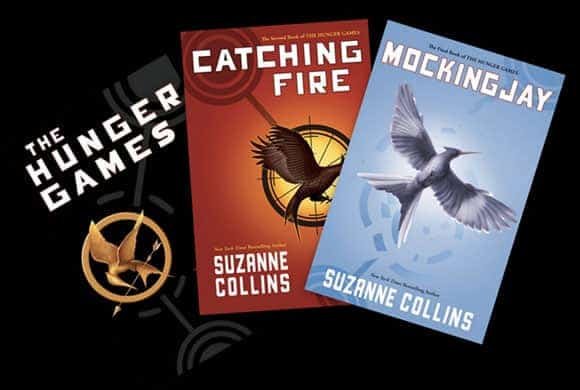
The Hunger Games book is generally considered suitable for readers aged 12 and up due to its themes of violence, survival, and complex political commentary.
Deciding what age is the hunger games book suitable for can be tricky. It’s a question many parents and educators grapple with. The series deals with some intense subjects. These include violence, death, and the dark side of power.
While many young adults connect with Katniss’s strength, the book’s content isn’t right for everyone. Parents should consider their child’s maturity level. Discussions about the themes after reading can also greatly benefit them.

What Age is The Hunger Games Book Suitable For?
Figuring out if a book is right for you or your child can sometimes feel like navigating a maze. When it comes to the popular Hunger Games series by Suzanne Collins, the question of age appropriateness is a common one. These books, full of action, survival, and complex themes, have captured the imaginations of many. However, they also deal with some heavy topics that might be better suited for older readers. Let’s delve into what makes The Hunger Games the kind of read it is and explore which age group might be best equipped to handle it.
Understanding the Core Themes
To really understand if The Hunger Games is a good fit, we need to talk about what the books are actually about. It’s more than just kids fighting in an arena. The series touches upon a lot of serious themes, which is part of what makes it so compelling. These themes aren’t necessarily bad, but they need to be considered when thinking about age suitability:
- Survival and Violence: The most obvious theme is the struggle to survive in a deadly arena. The Games themselves are brutal and involve graphic depictions of violence, which can be disturbing for younger readers. Characters face not only physical danger but also emotional and psychological trauma.
- Political Oppression and Rebellion: The books portray a society controlled by a powerful and oppressive government, the Capitol. The story explores the ideas of injustice, inequality, and the courage it takes to fight for freedom. Understanding these themes requires some background knowledge of political systems and their impact on individuals.
- Loss and Grief: Characters in The Hunger Games experience loss on multiple levels, be it the loss of their family members, friends, and even their innocence. The handling of grief and emotional fallout is a significant part of the narrative.
- Morality and Ethical Dilemmas: The series presents characters with difficult choices, often where there’s no clear “right” answer. These moral ambiguities can be complex and require a certain level of maturity to process.
Considering the Reading Level
Beyond the themes, the reading level is also a key factor. While the language isn’t overly complex, the sentence structures and vocabulary are suitable for a middle-grade reading level and upwards. This means that a reader should be comfortable with longer sentences and be able to comprehend more complex and metaphorical language. It’s helpful if a reader is familiar with concepts like dystopia and social commentary because the author often shows instead of telling, requiring some inference on the reader’s part.
Lexile Measure and Grade Level
The Lexile measure, which measures a book’s reading difficulty, for The Hunger Games is around 520-630L. This generally corresponds with late 4th grade or early 5th grade reading level. That being said, Lexile measures are not always the sole determining factor as they do not take into account the more mature themes within the book. While the language itself may be accessible, the thematic understanding required could place it at a higher reading grade level for the purpose of enjoyment.
Age-Related Developmental Factors
It’s crucial to also think about how different ages process different types of information. What might be an engaging story for a teen could be overwhelming or frightening for a younger child.
Younger Children (Under 10)
For children under 10, The Hunger Games is generally not advisable. The intense violence, the concept of children killing other children, and the overall bleakness of the world could be disturbing and difficult to understand. Young children may have trouble distinguishing fiction from reality, and the fear and anxiety these books may provoke could be impactful. They may struggle with the themes of oppression and social injustice.
- Limited Understanding of Abstract Concepts: Younger kids may not fully grasp concepts like political control and societal oppression.
- Emotional Sensitivity: The violence and tragedy can be genuinely upsetting and potentially lead to nightmares or increased anxiety.
- Difficulty with Complex Morality: Grasping moral nuances is something that develops as children grow older. These moral quandaries could be confusing or unsettling for younger children.
Tweens (Ages 11-13)
This age range is a bit of a gray area. Some tweens might be ready for The Hunger Games around ages 12 or 13, while others might be better off waiting. A lot of it depends on the child’s individual maturity level, their reading habits, and any exposure they may have had to similar content. It’s important to talk to your tweens and assess their readiness.
- Growing Comprehension Skills: Tweens are typically able to follow more complex narratives and understand underlying themes.
- Increasing Awareness of the World: They’re beginning to grasp social issues and may be interested in stories that reflect real-world struggles.
- Developing a Sense of Self: Tweens are exploring who they are and how they fit into the world, so stories about identity and bravery can be especially appealing.
Teenagers (Ages 14 and up)
Teenagers are generally considered to be the most suitable age group for reading The Hunger Games. At this point, most teens are capable of understanding the complexities of the story, recognizing its symbolic nature and deeper messages, and relating to the character’s feelings of defiance, anger, and fear. They are also more likely to be able to handle the violence and darker aspects of the story.
- Advanced Analytical Abilities: Teens can often dissect the symbolism, analyze the characters’ motivations, and grasp the novel’s sociopolitical undertones.
- Greater Emotional Maturity: They are better equipped to process the emotional impact of the story without experiencing undue distress.
- Broader World Perspective: Teens are developing their world views, so the themes of social justice, political power, and the consequences of war are topics they often find engaging.
Parental Guidance and Discussion
Regardless of your child’s age, if you do choose to introduce them to The Hunger Games, parental guidance and open discussion can make a world of difference. It’s not necessarily about avoiding challenging content, but helping your child navigate it thoughtfully.
Facilitating Comprehension and Critical Thinking
Having conversations about the story allows kids to analyze what they are reading, ask questions, and clarify any misunderstandings they may have. This turns the book into a learning opportunity. Here are some questions parents can use to promote dialogue:
- What do you think about the way the Capitol treats the districts?
- How did Katniss show courage in the arena?
- What do you think the author is trying to say about war and power?
- Why is friendship so important in this story?
- How does this story make you feel?
Addressing Concerns and Fears
If your child is experiencing any fear or anxiety as a result of the book, provide them with a safe place to express their feelings and address their concerns. Help them understand that the story is fictional and that real life doesn’t work the same way. It can also be a good opportunity to discuss what is ethical and what is not.
Use as a Tool for Learning
The Hunger Games can be a great way to explore real-world topics, from social justice to the impact of violence. You can connect the story to current events and teach kids about historical oppression and rebellion. Make this experience a chance to think critically about society and our world.
Alternatives for Younger Readers
If you feel that The Hunger Games might be too intense for your child, there are many other age-appropriate books that also explore themes of bravery, friendship, and social justice, albeit in a less graphic manner. These books can help prepare your child for more complex narratives when they get older.
Examples of Suitable Books for Younger Readers
Here are some alternatives to consider, categorized by age:
- For Ages 8-10: The Wild Robot by Peter Brown, A Wrinkle in Time by Madeleine L’Engle, The Girl Who Drank the Moon by Kelly Barnhill. These books explore similar themes of survival and societal differences, but with a gentler approach and language.
- For Ages 11-13: City of Ember by Jeanne DuPrau, The Giver by Lois Lowry, Ender’s Game by Orson Scott Card. These books delve into dystopian themes but are often less graphically violent than The Hunger Games.
A Quick Guide for Parents
To help summarize, here is a table outlining the age suitability for The Hunger Games with key points to consider.
| Age Group | Suitability | Key Considerations |
|---|---|---|
| Under 10 | Generally Not Recommended | Too violent and thematically complex. May cause anxiety and confusion. |
| 11-13 | Potentially Suitable with Guidance | Depends on maturity level and reading habits. Parent-led discussions are highly beneficial. |
| 14 and Older | Typically Suitable | Able to grasp the complex themes and handle violence. |
In the end, The Hunger Games books aren’t just about action, they are about complex topics that require some maturity to really understand. When you’re deciding if it’s the right book for your child, think about their age, their maturity level, and their ability to grasp some tough themes. If they are ready, discussing the book with them can enhance their reading experience and give them the chance to think critically. If not, there are always age-appropriate options to encourage them in their reading.
The Hunger Games -The Books that Defined YA
Final Thoughts
The Hunger Games books explore mature themes like violence, death, and political oppression. These aspects make the series more suitable for older teens rather than young children. The books present complex moral dilemmas.
Considering the intense subject matter, most would agree that it is better suited for readers age 13 and up. The series also includes romantic elements, which are handled delicately. Therefore, what age is the hunger games book suitable for is best answered by considering individual maturity levels.

