
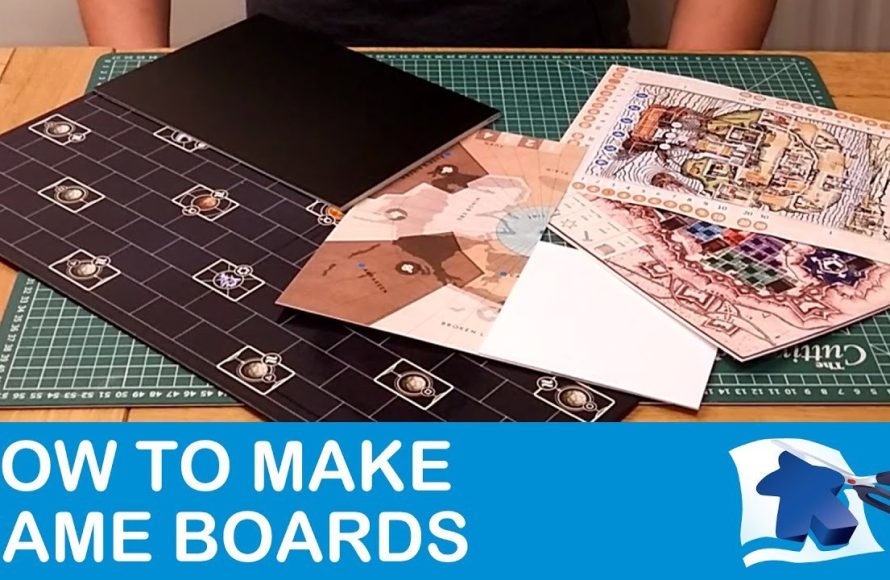
Game boards are typically made of cardboard, chipboard, or paperboard, sometimes with a printed or laminated surface.
Have you ever wondered about the tangible part of your favorite board game? Thinking about what are game boards made of might not be at the forefront of your mind when you’re engrossed in play, but it’s a valid question. These sturdy surfaces that host our gaming adventures have a very interesting story in their material composition.
We often take for granted the feel of the board beneath our fingers, but these carefully crafted pieces of game equipment are made with specific materials that lend to their quality. The materials play a crucial role in the game’s overall experience.

What Are Game Boards Made Of?
Have you ever wondered what goes into making your favorite board game? It’s not just magic! There are many interesting materials and processes involved in creating those colorful playing surfaces we all love. Let’s dive into the fascinating world of game board construction and explore the different things that make these fun creations possible.
The Core Materials
The heart of any game board is its core material. This is the base that gives the board its shape and stiffness. Here are the most common materials used:
Cardboard
Cardboard is probably the most familiar core material. It’s affordable, lightweight, and relatively easy to work with. You’ll find cardboard in lots of family-friendly games. Cardboard game boards are often made by sandwiching several layers of paper together and then pressing them to create a strong and flat surface. Here’s a breakdown of why it’s so popular:
- Cost-Effective: Cardboard is inexpensive to produce, making it a great option for mass-market games. This means that game companies can keep the price of the game down, so more people can enjoy them.
- Lightweight: Cardboard is very easy to carry and store, which is perfect for kids or when taking a game on a trip.
- Printable Surface: It provides a good surface for printing detailed artwork and game information. The inks stick to it well.
- Versatile: Cardboard can be easily cut and shaped to create various game board sizes and forms.
However, there are some things to keep in mind about cardboard game boards:
- Durability: Cardboard can be easily damaged if it gets wet or folded too much. It is also prone to wear and tear over time.
- Thickness: Cardboard game boards are not as thick and sturdy as some other options.
Chipboard
Chipboard, also known as greyboard, is a step up from basic cardboard. It is thicker and denser, making it much more durable. Chipboard is made from recycled paper that is compressed together. This makes it a good option from a sustainability perspective. You might find it in more premium or complex games where extra strength is needed. Here’s why manufacturers choose chipboard:
- Sturdier: Chipboard is less likely to bend or tear than basic cardboard. It holds its shape better for a long time.
- Heavier Feel: The extra thickness and weight give it a more solid feel, often associated with better quality.
- Good for Folds: Chipboard can be scored and folded to create game boards that fold nicely without breaking easily.
But chipboard isn’t perfect:
- Cost: Chipboard is a bit more expensive than cardboard, which can increase the price of the game.
- Weight: It is heavier than cardboard, which might make it less convenient to carry around.
Wood
Wood is a classic material for game boards, bringing a touch of elegance and longevity. You can see wood used in traditional games like chess or checkers and sometimes in more high-end, custom board games. Wood game boards usually consist of solid pieces of wood or wood composites like plywood or MDF.
- Durability: Wooden game boards are known for their incredible strength and can last for many years. They can take lots of play without damage.
- Aesthetics: The natural look and feel of wood provide a sophisticated and appealing finish. They add a touch of class to game nights.
- Premium Feel: They often have a higher perceived value due to the quality and materials used.
However, wood has some drawbacks too:
- Cost: Wood is the most expensive option on our list, which means wooden game boards come with a higher price tag.
- Weight: They are heavier than cardboard and chipboard, which makes them less portable.
- Manufacturing Complexity: Working with wood can be more time-consuming and require specialized tools.
Plastic
Plastic game boards are often used in games designed for younger children or in outdoor settings because of their resilience to the elements. These boards are typically molded from plastic polymers like polyethylene or ABS.
- Water Resistance: Plastic is resistant to water and spills, making it good for games that might be played outside or around drinks.
- Easy to Clean: A quick wipe is all it usually takes to clean a plastic game board.
- Durability: Plastic is quite difficult to damage, making the game board durable.
However, there are also some things to be mindful of when choosing plastic game boards:
- Less Eco-Friendly: Plastic is not biodegradable, and its production can have environmental impacts.
- Lower Aesthetic Appeal: They generally don’t have the same feel as wood or the print clarity of cardboard.
- Can Bend: While sturdy, some types of plastic might bend or warp under heat.
Surface Layers and Finishes
The core material is just the beginning. Game boards often have layers applied to the top that give them their finished look, feel, and protect the artwork. Here are the key things you might see on the surface of a game board:
Printed Artwork
Most game boards feature colorful and detailed artwork that brings the game to life. This artwork is usually printed using different techniques, such as:
- Offset Printing: This is a common method for mass-produced game boards because it can create very clear images consistently.
- Digital Printing: This is used for smaller print runs and custom game boards because it is flexible and can print on demand.
- Screen Printing: Screen printing is an older technique that can produce very vibrant colors, but it may not be as detailed as other methods.
The inks used must be high quality to ensure the colors stay bright and do not fade quickly.
Lamination
Lamination is a clear plastic film that is often applied to the printed artwork. It serves several purposes:
- Protection: Lamination protects the print from scratches, tears, and spills, making the game board more durable.
- Aesthetic Appeal: It can also add a glossy or matte finish to the board, which makes it look and feel more polished.
- Cleaning: Laminated game boards are easier to wipe down and clean.
The type of laminate used can vary, with different thicknesses and finishes. Some common options include:
- Gloss Lamination: This gives a shiny, reflective surface that makes colors appear more vivid.
- Matte Lamination: This creates a non-reflective surface that has a more subtle look.
Varnishes and Coatings
In some cases, instead of lamination, game boards receive a varnish or coating. These serve similar purposes to lamination but might be applied directly as a liquid. This is common with wooden game boards.
- Protection: Varnishes provide a protective layer against scratches, fading and wear.
- Finish: They can be used to create a glossy, matte or satin finish.
- Durability: Adding varnish is a very effective way of protecting printed game surfaces from damage.
Textured Finishes
Sometimes, game boards are given a textured finish for added grip, aesthetic appeal, or even to enhance the feel of the game. This can be done in a variety of ways, such as:
- Embossing: This involves creating raised areas on the surface of the game board to provide a more interesting feel.
- Debossing: This involves creating indentations on the game board’s surface.
- Spot UV: This involves applying a glossy varnish to specific areas of the board, creating a raised effect.
Game Board Assembly
Once all of the materials are ready, the game board has to be assembled. Here’s a typical process:
Cutting and Shaping
The core material is cut to the correct size and shape, according to the game’s design. This is often done using die-cutting machines. These machines use sharp, shaped blades to cut the material precisely.
Applying the Artwork
The printed artwork is applied to the core material using a specific type of adhesive. The artwork has to be aligned perfectly to look as intended. The artwork can also be directly printed on the game board’s material itself.
Lamination or Coating
If required, a lamination or coating layer is applied to protect the print.
Scoring and Folding
For folding game boards, scoring is done, which involves creating lines of weakness on the back of the board to help it fold neatly. This is usually done with precision tools to make sure the board folds in the right places.
Final Inspection
Finally, every game board goes through a quality check to make sure it is correctly made, without any issues, before it is packed into the game box.
Sustainability Considerations
As people become more concerned about the environment, game manufacturers are also looking at making game boards more sustainably. Here are some ways that they are doing so:
- Using Recycled Materials: Making game boards from recycled paper and board is a great way to reduce waste.
- Eco-Friendly Inks: Choosing inks that are made from plant-based sources instead of harmful chemicals helps reduce pollution.
- Reduced Packaging: Reducing unnecessary packaging materials is better for the planet.
- Sustainable Sourcing: Manufacturers are looking at sourcing wood from responsibly managed forests to ensure that the forest’s resources are used sustainably.
Choosing games made with sustainable materials is one of the many things consumers can do to support eco-friendly practices.
Game boards are made of a variety of materials, from simple cardboard to more durable woods and plastics. The specific materials used depend on the game’s design, budget, and targeted audience. Each material brings its own set of benefits and considerations. It is really interesting to see the different materials that go into making the game boards that provide us with hours of fun.
How to Make Game Boards
Final Thoughts
In essence, game boards commonly use cardboard, often layered for sturdiness. Manufacturers may also use thicker paper stock. Some high-end versions incorporate wood or even plastic. These varied materials affect durability and cost.
Therefore, what are game boards made of becomes a matter of function and price point. From simple paper to durable woods, the material directly impacts the game’s feel and lifespan. The construction determines the overall playing experience.

