
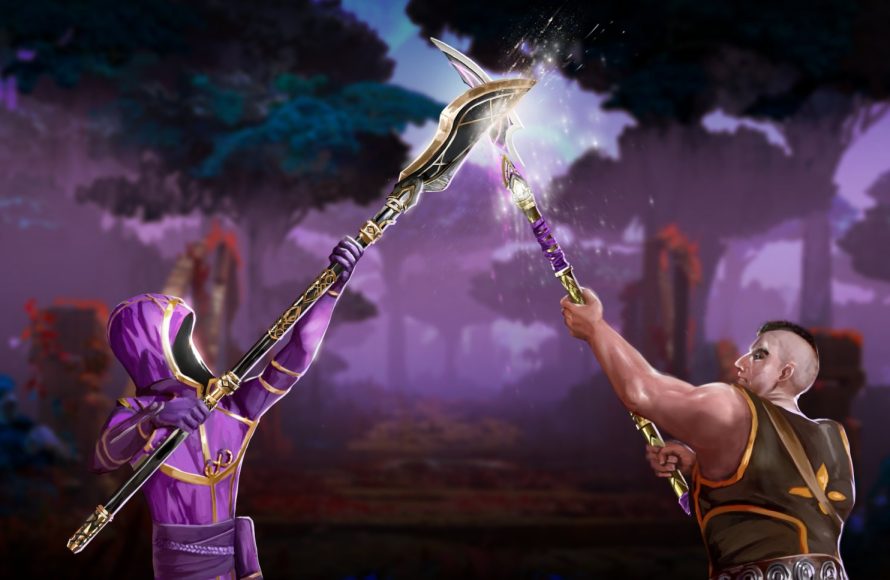
PVP games are video games where players compete against other players, rather than against computer-controlled opponents.
Ever wondered what drives that competitive edge in gaming? The thrill of facing a real opponent, not just an AI, is central to many popular titles. What are PvP games exactly, then? They are the heart of intense action and strategic thinking where your skills are tested against another person.
This type of gameplay offers a unique challenge and reward. You are not just beating a game, you are outsmarting and outplaying other humans. This can create some incredibly satisfying wins!

What Are PvP Games?
Have you ever played a video game and wanted to test your skills against someone else? That’s where PvP games come in! PvP stands for “Player versus Player,” and it means that instead of playing against computer-controlled characters, you’re playing against other real people. It’s like a supercharged version of tag, where the rules can change depending on the game, and the excitement is always high. Let’s dive into the awesome world of player versus player gaming and see what makes it so special.
The Thrill of Competition
What makes PvP games so captivating? It’s all about the challenge and the unpredictability. Unlike playing against the computer, where you might figure out the patterns and strategies, human players are different every time. They make unique choices, come up with surprising moves, and that’s what keeps things fresh and exciting. Winning against another person feels more rewarding because you know you’ve outsmarted or outplayed someone with their own ideas and skills. It’s that pure, unadulterated competition that makes PvP so popular in gaming.
The Different Types of PvP Games
The world of PvP games is enormous, and they come in all sorts of shapes and sizes. Here are some of the common styles you will encounter:
- First-Person Shooters (FPS): Imagine running through a battlefield with a gun in your hand, trying to take down the other team. Popular FPS games like Call of Duty, Overwatch, and Counter-Strike are built around fast-paced action and teamwork. Strategy is key, and the thrill of a well-placed headshot is hard to beat.
- Multiplayer Online Battle Arenas (MOBAs): MOBAs like League of Legends and Dota 2 involve teams working together to destroy the other team’s base. Players choose from different characters with unique abilities. The game is like a blend of strategy, teamwork, and skill. The map is a battleground, and the competition can get intense as players coordinate attacks and defenses.
- Fighting Games: Think of classic arcade games like Street Fighter or Mortal Kombat. It’s all about one-on-one battles using special moves and combos to beat your opponent. These games are great for honing your reflexes and timing while developing a personalized fighting style.
- Massively Multiplayer Online Role-Playing Games (MMORPGs): Games like World of Warcraft and Final Fantasy XIV aren’t just about exploring a huge fantasy world. They often have designated PvP areas, such as battlegrounds, or open-world conflict, where players can engage in faction-based battles or duels. The grand scale of these battles, involving many players at once, makes them incredibly epic.
- Battle Royale Games: In games like Fortnite, PUBG, or Apex Legends, many players are dropped onto a large map, fighting each other to become the last one standing. These games often involve scavenging for resources, strategic positioning, and quick reflexes. Battle Royale games are a thrilling mix of survival and combat, where every match is a fresh, unpredictable experience.
- Card Games and Board Games (Digital): Games like Magic: The Gathering Arena or Chess offer a different kind of PvP. These games rely more on strategic thinking and planning rather than fast reflexes. You’re competing with another person but through the power of cards or board game rules.
Why People Love PvP Games
So, why do so many people enjoy PvP games? Here are some of the main reasons:
- A Sense of Achievement: It feels really good to win a tough game against another person. It’s a testament to your skill, strategy, and ability to adapt. The victories in PvP games often feel more satisfying than in single-player experiences.
- Social Interaction: Many PvP games allow players to form teams, communicate, and collaborate. This makes gaming a more social experience, where you can make friends and create lasting bonds. Coordinating strategies and working towards a shared victory is a fantastic feeling.
- Constant Challenge: With other real players, you never know exactly what’s going to happen. Every game is different, and this means you’re always adapting and learning. There’s no opportunity to get bored. The unpredictability keeps you on your toes.
- Learning and Improvement: When you play against other people, you start to see how they think and strategize. This gives you a chance to learn new tactics and improve your own skills. PvP is a great way to get better at gaming.
- The Thrill of Competition: Many people enjoy the adrenaline rush that comes from a close competitive battle. The desire to beat another player is a strong motivator. The tension and excitement of a close match can be incredibly thrilling.
Skills You Need for PvP Success
Being successful in PvP games involves more than just being good at the game. Here are some skills that will help you become a formidable opponent:
Strategic Thinking
Planning your moves ahead of time is extremely important. Understanding the strengths and weaknesses of different characters or units, adapting to the battlefield situation, and thinking about the opponent’s likely actions are vital parts of gameplay. It is about not just reacting, but proactively controlling the game.
Quick Reflexes
Many PvP games require quick thinking and fast reaction times. Being able to aim accurately, move swiftly, and make split-second decisions can make the difference between victory and defeat. You must be able to react in a heartbeat.
Teamwork and Communication
Many PvP games are team-based, making it necessary to communicate effectively with your teammates. Coordinating attacks, sharing information, and working together will significantly enhance your chances of winning. Good communication means understanding your role and supporting others.
Adaptability
In PvP, no two matches are ever the same. Being able to adjust your strategies and plans to the current situation is very important. You might need to change your approach when a new opponent appears. If your strategy doesn’t work, you need to quickly think of another one.
Patience and Practice
Becoming proficient in PvP requires time and effort. You must be prepared to lose, learn from your mistakes, and practice until you become better. Patience is crucial and every loss can be a great learning experience.
Things to Consider Before Playing
Before jumping into a PvP game, here are a few things to think about:
Game Choice
Not all PvP games are the same. Some are more fast-paced, while others are more strategic. Some focus on individual skill, while others rely heavily on teamwork. Choose a game that fits your preferences and interests. Try different types to see what you like best. Do you prefer quick action, strategic planning, or something else?
Community
The game’s community can have a big impact on your experience. Some games have friendly and supportive communities, while others may be more competitive and less forgiving. Look for a game with a community that you feel comfortable with. Checking forums or social media can give you an idea of what the community is like.
Learning Curve
Some PvP games can be quite challenging to get the hang of. Be prepared to invest time and effort in learning the mechanics and strategy of the game. Don’t get discouraged if you are not good right away. Everyone starts somewhere, so be patient.
Time Commitment
PvP games can be very addictive, and some may require a big time commitment to excel. Be sure to manage your time and don’t let gaming interfere with your other important activities. It is good to have a gaming schedule to maintain balance.
The Importance of Fair Play
While competition is fun, it’s crucial to always play fair and treat other players with respect. This means avoiding things like cheating, griefing, or using abusive language. Fair play creates a better environment for everyone and is a part of being a good gamer. It’s important to remember that behind every player there is a real person.
What is Cheating?
Cheating in PvP games involves using unauthorized tools or exploits to gain an unfair advantage. It could be anything from using hacks to see where other players are, to using bots that play for you. Cheating not only ruins the game for others, but it is also against the rules, and might get you banned from the game. It’s important to play with integrity.
What is Griefing?
Griefing is when players deliberately disrupt other people’s gaming experience. It can involve purposefully ruining team strategies, harassing other players, or doing other actions that are intended to annoy and frustrate. It is not fair to other players and should be avoided. Being a good teammate is important and requires respect for everyone.
What is Sportsmanship?
Sportsmanship is about playing with integrity, showing respect for your opponents, and accepting the outcome of the game gracefully, whether you win or lose. It’s about being a good sport, supporting your teammates, and treating everyone with kindness. Remember, it’s just a game, and it is important to enjoy it.
PvP games offer a unique kind of fun and excitement that you just can’t find anywhere else. The challenge of competing against real people, the thrill of outsmarting opponents, and the sense of camaraderie you can build with teammates. It’s all part of the wonderful world of PvP gaming. Just remember to play fair, respect your opponents, and most importantly, have fun!
Top 10 Competitive FPS Games: The Future of PvP in 2024 & 2025!
Final Thoughts
PVP games are competitive experiences where players directly battle each other. These games feature real-time combat scenarios demanding skill and strategy. Successful players often climb leaderboards, demonstrating their capabilities against others.
So, what are pvp games? They are digital arenas for player-versus-player competition. Winning requires practice and adaptability, as opponents present varied challenges. Ultimately, these games provide intense, engaging interaction between people.

