
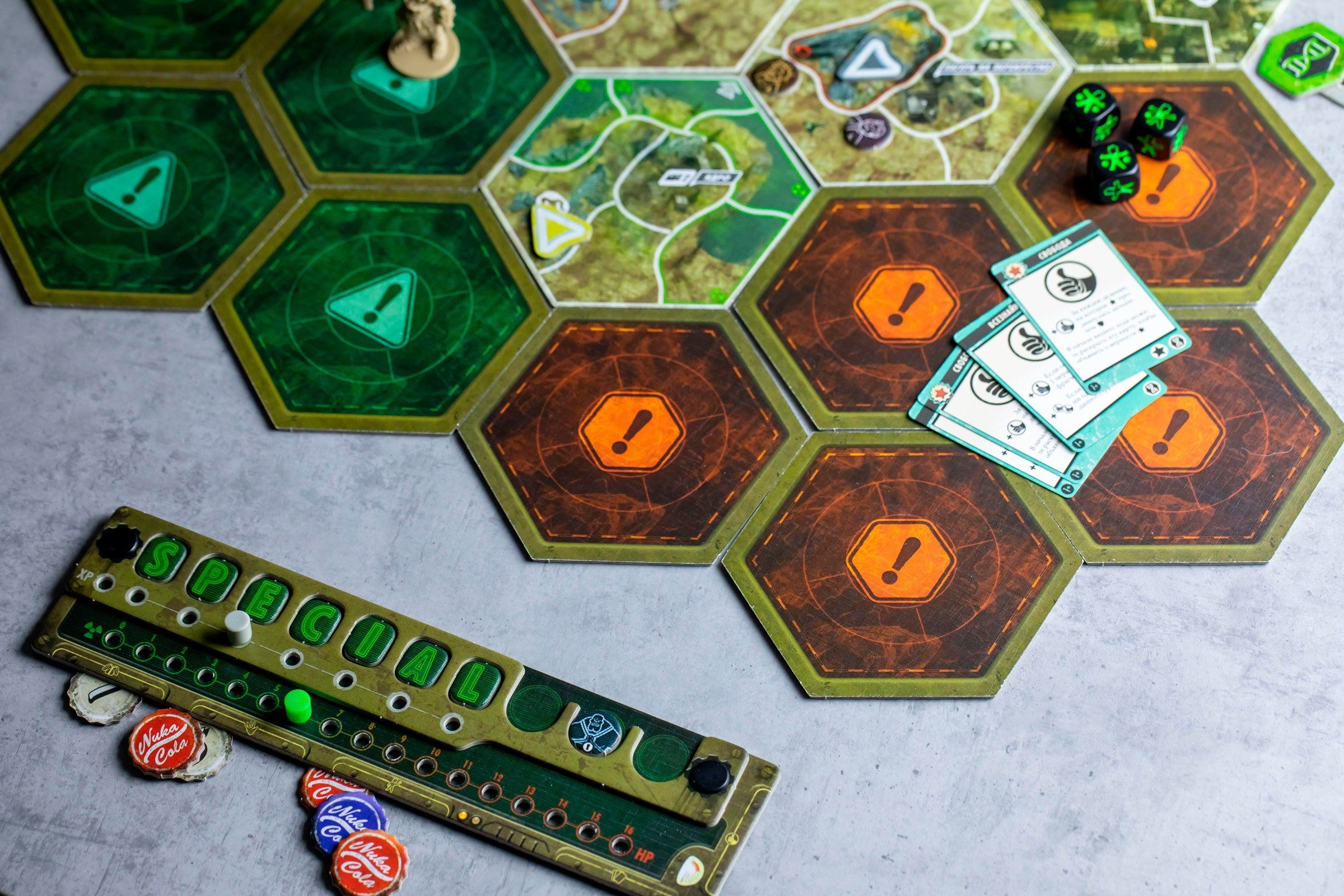
Table top games are games played on a surface like a table, using physical components such as dice, cards, or miniatures.
Ever wondered what are table top games? They’re not just child’s play; they encompass a huge range of activities. Think beyond board games, including role-playing adventures and strategic card duels.
These games create opportunities for social interaction and strategic thought. Unlike digital versions, they bring people together physically. The tactile nature and shared experience offer a unique kind of fun.

What are Table Top Games?
Have you ever gathered around a table with friends or family, some colorful pieces, and a set of rules? If so, you’ve probably played a tabletop game! But what exactly are tabletop games? They’re a whole world of fun that goes way beyond just Monopoly or checkers. They are a type of game played on a flat surface, usually a table, involving physical components like cards, dice, boards, and sometimes even miniature figures. These games can range from quick and simple to complex and strategic, catering to all kinds of interests and ages. They’re about more than just winning, it is about having fun, socializing, and using your brain in new and exciting ways!
The Many Faces of Table Top Games
Tabletop games aren’t just one thing; they come in many different forms, each offering a unique gaming experience. Let’s explore some of the main categories:
Board Games
Board games are probably what first come to mind when thinking of tabletop games. They involve a playing surface, usually a board with spaces or paths, and often use dice or cards for movement and actions. These games often have specific goals to win, like reaching the end of a track or having the most resources. Think of classics like Sorry!, Clue, or Settlers of Catan.
Types of Board Games:
- Abstract Games: These games usually have simple rules and focus on strategy, without a strong story or theme. Examples include Chess, Go, and Checkers.
- Eurogames: Also called “German-style” games, these often emphasize strategy, resource management, and player interaction, but not direct conflict. Examples include Ticket to Ride, Carcassonne, and Puerto Rico.
- Ameritrash Games: These games are often more thematic, with a bigger focus on story, direct conflict, and dice rolling. Examples include Arkham Horror, Risk, and Zombicide.
- Party Games: These are designed for large groups and often prioritize laughter and social interaction. Examples include Cards Against Humanity, Codenames, and Telestrations.
- Cooperative Games: In these games, players work together as a team to beat the game. Examples include Pandemic, Forbidden Island, and Spirit Island.
Card Games
Card games are another big category of tabletop games. They utilize decks of cards as their main components, with different cards having different actions or point values. They range from quick and simple to strategic and complex. Examples include classics like Uno, poker and hearts to more intricate games like Magic the Gathering.
Types of Card Games:
- Traditional Card Games: These are the well-known games that have been around for ages, often using a standard 52-card deck. Examples include Bridge, Spades, and Rummy.
- Trading Card Games (TCGs): In TCGs like Magic the Gathering and Pokémon TCG, players collect and build personalized decks of cards to battle against others.
- Living Card Games (LCGs): Similar to TCGs but instead of random booster packs, these games usually come in fixed expansions, so you know what cards you will get. Examples include Arkham Horror LCG and Lord of the Rings LCG.
- Trick-Taking Games: These games involve players taking “tricks” based on played cards. Examples include Hearts and Euchre.
Dice Games
Dice games rely primarily on dice as their main component. They can be as simple as Yahtzee or as complicated as rolling different colored dice to get different actions and outcome in RPGs. Dice add an element of chance, but strategy still comes into play by choosing which dice to keep or re-roll, or how to best use the results.
Examples of Dice Games:
- Simple Dice Games: Games like Yahtzee or Farkle, which are focused on getting combinations or point totals.
- Dice Placement Games: Games where players roll dice and then place them on a board, often with different abilities or effects based on their value.
- Role-playing Dice Systems: Complex games like Dungeons and Dragons use a variety of dice to determine the success or failure of actions.
Miniature Games
Miniature games involve using small figures to represent characters, units, or objects. These games often have detailed settings and rulesets, focusing on strategy, and can be very visually appealing. Popular miniature games like Warhammer 40,000 and X-Wing involve assembling and painting the miniatures and then using them on a tabletop battlefield.
Types of Miniature Games:
- Wargames: These games focus on military battles or conflicts, often with large armies and complex rules. Examples include Warhammer 40,000, Warmachine, and Bolt Action.
- Skirmish Games: These games have fewer models per side and focus on more tactical battles. Examples include Star Wars: Legion and Infinity.
- Board Games with Miniatures: Some board games use miniatures as part of their gameplay, for example, Gloomhaven and Zombicide.
Role-Playing Games (RPGs)
Role-playing games take tabletop gaming into a more narrative direction. In these games, players create characters and take on roles within a story, typically guided by a Game Master (GM) or Dungeon Master (DM). RPGs are heavily focused on storytelling, creativity, and social interaction. It uses dice and rule books to help guide the experience, but these games often rely more on imagination and narrative than strategy.
Key Elements of RPGs:
- Character Creation: Players create unique characters with their own background, abilities, and goals.
- Storytelling: The GM weaves a story, and players contribute through their characters’ actions.
- Dice Rolling: Dice are used to determine the outcome of actions or conflicts.
- Collaboration: Players work together to overcome challenges and achieve their goals within the story.
Why Are Table Top Games So Popular?
Tabletop games have made a huge comeback in the last decade and are more popular than ever. Here are some of the reasons why:
Social Interaction
In a world filled with screens, tabletop games provide a wonderful opportunity for face-to-face social interaction. They encourage conversation, teamwork (in cooperative games), and friendly competition. This human connection is important, and tabletop games make it fun and easy to connect with others. They provide a reason to put down our phones and look each other in the eye.
Creative Thinking and Problem Solving
Many tabletop games challenge your brain by making you think critically, strategically, and creatively. Whether you’re planning your next move in a strategy game or figuring out a puzzle in a cooperative game, these games help develop your problem-solving skills. They require you to think outside the box, adapt to changing situations, and make the best of what you’ve got.
Variety and Choice
There’s literally a tabletop game for everyone! From fast-paced card games to grand strategy board games, the variety of tabletop games is enormous and continuously growing. You can find games that fit your specific interests, from fantasy to science fiction, historical themes to abstract challenges. This great selection means it’s easy to find something that fits your taste, number of players, and desired play time.
Affordable Entertainment
While some tabletop games can be pricey, many are surprisingly affordable compared to other forms of entertainment, like going to the movies or eating out. Plus, once you own a game, you can play it again and again. This makes tabletop games a cost-effective way to spend time with family and friends. Many families build their collection of games, creating something fun to fall back to for many years.
Accessible to All
Tabletop games are designed to be inclusive to various age groups and skill levels. There are simple games for small children and much more complex games for adults. Many board games can be played by the whole family or group of friends, no matter what age or experience. Because of the different options, you will almost always be able to find a game that someone can easily pick up and play.
The Components of Table Top Games
Tabletop games come in all shapes and sizes, but they often share some common components. Let’s take a look at the pieces that bring these games to life:
- Game Boards: The playing surface that defines the game area, whether it’s a path, a grid, or a map. They are often visually appealing and thematic, sometimes including special spaces or locations with different effects.
- Cards: Cards often contain instructions, resources, abilities, or characters. They vary by type and function and often have illustrations or artwork.
- Dice: Used to determine the outcome of events, add an element of chance, or determine movement or action. Different numbers of sides can lead to different game mechanics.
- Tokens and Markers: Small pieces used to track resources, points, or other information. They come in many shapes and sizes.
- Miniatures: Detailed figures representing characters, units, or objects, used in miniature games and some board games. They often need to be assembled and painted.
- Rulebooks: Essential guides that explain how to play the game, including set up, objectives, and rules. They can range from just a few pages to several hundred pages depending on the game.
- Player Boards: Usually used in more complex games, player boards can help players keep track of their resources, actions and other relevant information.
How to Get Started With Table Top Games
Getting into the world of tabletop games can seem daunting, but it’s actually quite easy and fun! Here’s a simple guide to get you started:
Explore Different Types
Start by understanding the various kinds of tabletop games. Do some research online or ask friends who play what they like. Find out what fits with your interests. Maybe you’re into fantasy, strategy, or something completely different! There is a game out there for everyone.
Start Simple
Don’t jump into the most complex game right away. Start with something easy and approachable like Ticket to Ride, Carcassonne, or a quick card game. You can work your way up to more difficult and strategic games later. Starting with simpler games helps you to understand the basic concepts.
Find a Game Store or Community
Your local game store can be a great place to find new games and get advice from knowledgeable staff. There are many game store communities that hold board game nights, giving you a chance to test drive different types of games and meet new people. Look for events on social media or local listings. They are often a fun and welcoming place for newcomers.
Play with Friends or Family
The best way to learn is by playing! Gather some friends or family members and start a game night. Playing with other people is a great way to learn the rules and get different points of view. Don’t be afraid to make mistakes – it is all part of the fun.
Don’t Be Afraid to Ask for Help
If you’re confused by the rules, don’t hesitate to ask for help. Many online resources or forums are available for many games where people are always willing to help new people learn. There are countless communities with knowledgeable people willing to teach and help!
Have Fun!
Most importantly, remember that playing tabletop games is all about having fun. Don’t get caught up in winning or losing, focus on the enjoyment of playing a game together. Playing games is a wonderful way to make memories and build friendships.
Online Tabletop Games
In addition to physical tabletop games, a growing number of websites, apps, and video games allow people to play together online. This means you can play board games, card games, and even RPGs from the comfort of your own home with people across the globe. Many online platforms even include tutorials and helpful tips to make sure that newcomers understand how to play.
Tabletop games offer a world of entertainment and social interaction, all while developing important skills like strategic thinking and problem-solving. There is a world of games out there that are waiting to be played, what are you waiting for? Gather some friends, learn the rules, and start playing!
Tabletop Games
Final Thoughts
Table top games are physical games people play on a surface, like a table. These games utilize components such as dice, cards, and boards. They offer a shared experience with interaction and strategy.
Many diverse genres exist within table top games, from cooperative adventures to competitive challenges. Playing table top games provides a fun way to socialize and exercise your brain. So, what are table top games? They are a wonderful form of entertainment involving physical game elements.

