
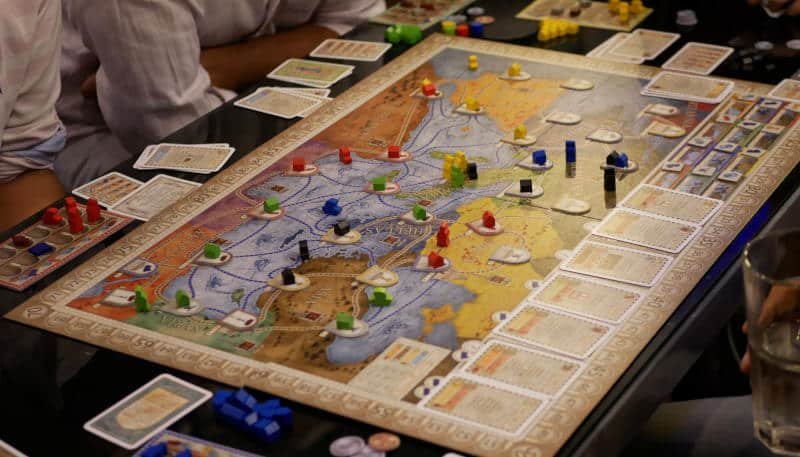
Tabletop games are physical games played on a surface, often involving dice, cards, boards, and miniatures, requiring social interaction and strategic thinking.
Have you ever wondered what are tabletop games? They’re more than just something to pass the time; they’re a portal to different worlds and experiences. Imagine gathering with friends, not in front of a screen, but around a table, engaging with a shared narrative.
These games range from quick card games to epic board games that can take hours to play. Each game provides a unique blend of competition, cooperation, and plenty of fun. So, if you’re seeking ways to connect and challenge your mind, tabletop games offer a fantastic option.

What are Tabletop Games?
Have you ever sat around a table with friends or family, laughing, strategizing, and maybe even rolling some dice? If so, you’ve probably already experienced the fun of tabletop games! But what exactly are tabletop games? Let’s dive in and explore this amazing world of play.
The Basics: More Than Just Board Games
When many people hear “tabletop games”, they might immediately think of classic board games like Monopoly or Sorry!. While those are definitely part of the group, the term “tabletop games” is actually much broader. It covers any game that is played on a table or flat surface. This includes:
- Board games: These are probably the most familiar. They usually come with a pre-set board, playing pieces, cards, and other components. Examples include Ticket to Ride, Settlers of Catan, and Pandemic.
- Card games: These games rely primarily on a deck of cards. Think of games like Uno, Poker, or even trading card games like Magic: The Gathering.
- Dice games: These games use dice as their primary tool for creating randomness and driving the gameplay. Examples include Yahtzee, or games that use dice as a mechanism within a larger game.
- Role-playing games (RPGs): These are more about storytelling and character development. Players create characters and act out their roles in a fantastical world guided by a game master. Dungeons & Dragons is the most famous example.
- Miniatures games: Here, you use tiny painted figures to represent armies or individual characters on a tabletop battlefield. Games like Warhammer 40,000 fall into this category.
Why Do People Play Tabletop Games?
People are drawn to tabletop games for lots of reasons. Here are just a few:
Social Interaction
In a world where many of us spend time on screens, tabletop games provide a great way to connect with others face-to-face. You get to laugh together, make decisions together, and share in the experience. It’s about spending quality time with people you enjoy.
Strategic Thinking and Problem-Solving
Many tabletop games require you to think ahead, plan your moves, and adapt to changing situations. This can help build your critical thinking skills without you even realizing you’re doing it! Whether you are choosing where to place your settlements in Settlers of Catan, or figuring out your next card move in a trick taking game, these challenges can be very satisfying.
Creative Storytelling and Imagination
Role-playing games let you become someone else and explore imaginary worlds. This can be a fantastic way to fire up your creativity and make your imagination soar. Even in other types of tabletop games, you often create your own stories around the game itself. The games help create a canvas for social storytelling.
Relaxation and Fun
Ultimately, tabletop games are just plain fun! They provide a way to relax, unwind, and escape from the stresses of daily life. The laughter and friendly competition make it a wonderful pastime.
Learning and Education
Many tabletop games are great for learning. Some games teach historical facts or scientific concepts, while others help develop problem-solving skills or improve strategy. There are games for all different ages and interests.
Exploring Different Types of Tabletop Games
Now that you have a general idea of what tabletop games are and why they’re popular, let’s delve a bit deeper into some of the specific categories.
Board Games: A Wide Variety of Experiences
Board games offer a huge spectrum of experiences, from simple and quick games to complex and strategic ones.
- Abstract Strategy Games: These focus on pure strategy with no theme. Think of Chess or Checkers.
- Eurogames: These games typically emphasize resource management, economic development, and clever mechanics, with less luck involved. Examples include Agricola or Puerto Rico.
- Ameritrash Games: These are generally known for their strong theme, dice rolling, and player conflict. Examples include Arkham Horror or Twilight Imperium.
- Cooperative Games: Players work together as a team to achieve a common goal. Examples are Pandemic or Gloomhaven.
Card Games: Quick Fun and Strategic Depth
Card games are another huge area in the tabletop gaming world. They can be played with a regular deck of playing cards or with unique decks created for specific games.
- Trick-Taking Games: In these games, players try to win tricks or specific cards with card plays. Hearts or Spades are examples.
- Shedding Games: The aim is often to be the first to get rid of all of your cards. Examples include Crazy Eights or Rummy.
- Living Card Games: These games are always evolving with new card releases. They provide a deep experience through an ever-expanding game set.
- Trading Card Games (TCGs): Players build custom decks using collectible cards. Magic: The Gathering and Pokémon are popular examples.
Role-Playing Games (RPGs): Telling Your Own Story
RPGs are all about collaborative storytelling. One player, the Game Master (GM), guides the adventure, while other players take on the roles of unique characters.
- Player Characters (PCs): These are the characters that the players create and play as. They have unique abilities, backstories, and motivations.
- Game Master (GM): The GM sets the scene, describes the environment, plays the roles of non-player characters, and helps keep the story moving along.
- Dice Rolling: RPGs often use dice to determine the success or failure of actions.
- Collaborative Storytelling: The GM and players create the story together, with the players’ actions shaping the direction of the adventure.
Miniatures Games: Strategic Battles on the Tabletop
Miniatures games bring wargaming to life. Players maneuver and battle with detailed painted miniatures on a tabletop. These often have very complex rules and deep strategic potential.
- Wargames: These games usually involve a large number of figures, representing armies. They often focus on military strategy and tactics.
- Skirmish Games: These focus on smaller battles, often with only a handful of miniatures on each side.
- Terrain: The battlefield is set up with terrain pieces, like hills and buildings, which affect the gameplay.
- Detailed Miniatures: Players often take pride in painting and assembling their miniatures.
Getting Started With Tabletop Games
Are you excited to try some tabletop games? It’s easier than you might think!
Finding Games That Fit You
There are tons of tabletop games out there, so it’s important to find the ones that are right for you and your group. Consider these factors:
- Number of Players: Make sure the game works well with the number of people you’ll be playing with.
- Play Time: Choose a game with a playtime that fits your schedule. Some games take a few minutes, while others can take several hours.
- Complexity: Start with simpler games if you’re new to the hobby, then try more complex ones as you gain experience.
- Interests: Select games that appeal to your interests or hobbies. If you like fantasy, there are many fantasy-themed games.
Where to Buy Tabletop Games
You can find tabletop games in a variety of places:
- Local Game Stores: These stores specialize in tabletop games. The employees can often give you recommendations.
- Online Retailers: Many online stores offer a wide selection of games.
- Bookstores: Some bookstores have a board game section.
- General Retailers: Big-box stores like Target and Walmart often carry popular board games.
Learning How to Play
Once you’ve got a game, you’ll need to learn how to play! Here are some helpful ways to learn:
- Rulebook: The rulebook is your best friend! Take time to read it carefully.
- Online Tutorials: Many videos and tutorials explain how to play specific games.
- Experienced Players: If possible, learn from someone who already knows the game.
- Practice Games: Don’t be afraid to play a practice game or two to get familiar with the rules.
Creating a Welcoming Gaming Environment
Tabletop games are more fun when everyone feels comfortable. Here are some important tips:
- Be Patient: Be patient with new players as they learn the rules.
- Be Inclusive: Make sure everyone is involved in the game.
- Have Fun: Remember that the most important thing is to have fun!
- Be Respectful: Be respectful of other players and their strategies.
The Continuing Appeal of Tabletop Games
Tabletop games have existed for centuries, and they’re still going strong. Their unique blend of social interaction, strategic thinking, storytelling, and pure fun makes them an engaging pastime for people of all ages. Whether you are playing a quick card game, battling with miniatures, or exploring a vast RPG world, there’s a tabletop game out there for everyone. So gather some friends, clear off the table, and dive into the fantastic world of tabletop games! It’s a world full of shared experiences, laughter, and unforgettable moments waiting to be made.
Tabletop games continue to evolve. New games are released each year, with innovative mechanics and captivating themes. As technology advances, even digital tools help to enhance the tabletop experience (like online rule books or digital dice rollers). But the basic joy of sitting around a table with friends, sharing stories and laughter, will always remain at the heart of the hobby. The human connection and shared experience is what makes tabletop games a lasting form of entertainment and recreation. There are always new challenges to overcome, strategies to develop, and worlds to explore. So why not pick a game that you find appealing and give it a shot? You may just find your next favorite hobby waiting on your tabletop.