
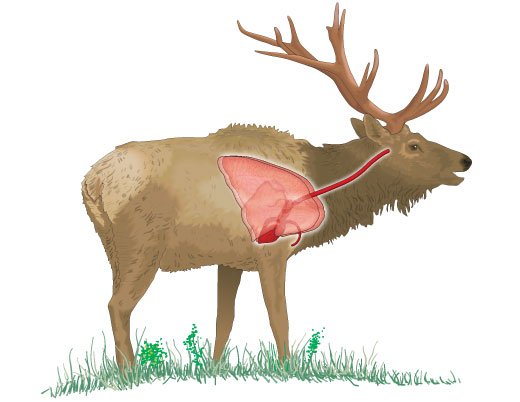
The most effective kill shots for big game target vital organs like the heart and lungs, achieved through precise placement of a bullet or arrow.
Imagine you’re a hunter, the moment of truth arrives, and you need to make a clean, ethical shot. What are the effective kill shots for big game, exactly? This is the question many hunters grapple with, and it deserves a clear, concise answer.
Knowing the precise location of these vital organs ensures a quick and humane harvest. Practice and familiarization with animal anatomy are crucial for making these effective shots every time.

What are the Effective Kill Shots for Big Game?
Hunting big game animals is a serious undertaking. It requires skill, patience, and a deep understanding of animal anatomy. The goal is always a clean, ethical harvest, which means knowing exactly where to aim for a quick and humane kill. This isn’t about being a ‘good’ shot; it’s about being an effective shot. Let’s dive into the key areas on a big game animal that, when hit correctly, result in a swift and ethical end.
Understanding Vital Anatomy
Before we talk about specific shot placements, we need to understand the key parts of an animal’s body that are essential for life. These areas contain organs that, when damaged, will quickly cause the animal to expire. Think of these as the animal’s power source. These vital areas include:
- The Heart: This muscular organ pumps blood throughout the body. Damage here will cause a rapid loss of blood pressure and a quick death.
- The Lungs: These organs bring oxygen into the blood. Destroying the lungs severely limits the animal’s ability to breathe and function.
- The Brain: The control center for the body. A well-placed shot to the brain causes immediate unconsciousness and death.
- The Spinal Cord: This connects the brain to the rest of the body. Severing it causes paralysis and the inability to move, leading to death.
Why These Areas Matter
Why focus on these areas? Because damaging other parts of the animal can lead to a slow, agonizing death. A gut shot, for example, will likely cause infection and immense suffering. An effective shot aims to damage one or more of the vital organs rapidly. Understanding this helps us choose where to aim.
The Broadside Shot: A Classic Choice
The broadside shot, where the animal is standing sideways to you, is often considered the most effective. It offers the largest target area and allows for a clean shot at the vitals. Here’s how to break it down:
Aiming for the Heart/Lung Area
Imagine a line running up the animal’s front leg. Now imagine a line running down the middle of its body. Where those lines meet is your ideal target spot for the heart and lung shot. This area, often called the ‘boiler room,’ covers a fairly large area, making it a forgiving target.
Specifics:
- High Heart/Low Lung: Aim for the lower third of the body, just behind the front leg. This targets both the lower portion of the lungs and the heart.
- Mid-Lung: Aim for the middle of the body cavity, again behind the front leg. This maximizes lung damage.
- Slight Angling: If the animal is slightly angled away, you might need to adjust your aim slightly forward to ensure you get good penetration into the chest cavity.
The heart/lung shot is effective, humane, and allows for quick recovery. However, always consider the distance you are shooting at and your proficiency with the weapon that you’re using.
Considering the Shoulder Bone
The shoulder blade is a substantial bone. While some hunters aim through the shoulder to get to the heart/lungs, this approach requires sufficient power. A bullet that doesn’t pass through may not reach the vital areas. If you’re not using a high-powered rifle, it’s often better to aim just behind the shoulder bone.
The Quartering Away Shot: An Effective Angle
When an animal is angled away from you, it’s called a quartering-away shot. This angle can be good if you know the anatomy well. The bullet travels through more of the animal, and it can damage more of the vitals. The key here is to adjust your aim so that your bullet reaches vital organs before exiting.
Aiming for Maximum Penetration
With a quartering-away shot, aim for the far shoulder. Picture the bullet traveling through the lungs and heart, exiting on the opposite side. By taking this angle into account, you get good penetration and maximize the chance for a quick, humane kill.
Things to Remember:
- Avoid the Gut: Do not aim too far back, as you might hit the intestines instead of the vital organs.
- Adjust Your Trajectory: The bullet will travel through more of the animal. Compensate accordingly.
The Frontal Shot: Risky but Potentially Lethal
A frontal shot is when the animal is facing you head-on. This shot is generally not recommended unless it’s your only option. It’s harder to hit the vitals and more prone to error. There are a couple of vital areas that you can aim at on the front of the animal:
The Heart/Lower Chest Area
If you’re forced to take a frontal shot, aim for the base of the neck where it joins the chest. This area, if hit correctly, will deliver the bullet into the heart, lungs, or both. It is a much smaller target than the broadside shot, so accuracy is very important. The bullet must also travel through the chest which has bone and muscle and requires significant penetration power.
The Brain Shot
A shot directly to the brain can cause immediate death, but it’s the smallest target, and the margin of error is also very high. Brain shots should only be attempted by experienced marksmen who can place their shots precisely. Consider this a very risky option.
Reasons to Avoid Frontal Shots
Frontal shots pose challenges and risks:
- Smaller Target: The chest and brain are much smaller targets head-on.
- Bone Obstructions: Bones in the skull and chest can deflect bullets.
- Unethical Harvest: A poor frontal shot can lead to a slow and painful death.
The Quartering Towards Shot: The Least Recommended Option
The quartering-towards shot, where the animal is angled towards you, is the least recommended shot angle and should be avoided if possible. This angle makes it very difficult to reach the heart or lungs without going through the shoulder, chest bone, and other obstacles. It can also result in the bullet passing through the gut area.
Why Avoid This Shot
This angle is problematic for several reasons:
- Difficult Trajectory: The shot must pass through a considerable amount of tissue to reach the vitals.
- High Risk of Injury: You are likely to hit the shoulder or parts of the gut, causing a painful and prolonged death.
- Low Chance of a Clean Kill: This angle makes a clean and humane harvest highly improbable.
Factors Affecting Shot Placement
Several factors can impact the effectiveness of your shot. Understanding these influences will significantly boost your chances of success:
Shooting Distance
The farther the shot, the more difficult it becomes to place it accurately. Increased distance impacts bullet drop and can introduce wind drift. Only take shots you are very comfortable with. Practice at different ranges until you know your capabilities.
Weapon Choice
The rifle, bow, or other weapon you use will impact your effective range and bullet penetration. Select a weapon and ammunition combination appropriate for the game you are hunting. Use a caliber and ammunition that is adequate to get the job done effectively and humanely.
Hunter Proficiency
Your shooting skills directly influence the outcome of your hunt. Take time at the range to practice various shooting positions and situations. Know your rifle, bow, or muzzleloader inside and out. Practice in realistic conditions so you are prepared for anything.
Animal Movement
Animals rarely stand still. They are constantly on the move, so be prepared to adjust your aim quickly. Tracking the target and understanding animal behavior will help. Use the proper method of resting and/or bracing to make your shot. Be calm and breathe before you take the shot.
Ethical Considerations
The most important aspect of hunting is ethics. Always aim for a clean, humane kill. Avoid shots that are difficult or where you have a low chance of success. Remember, hunting is a privilege, not a right, so behave responsibly and consider the animal’s life.
Shot Placement Summary
Here’s a quick recap of the most effective kill shots for big game:
| Shot Type | Animal Position | Target Area | Effectiveness | Recommendation |
|---|---|---|---|---|
| Broadside | Animal is sideways to you | Heart/Lung area behind the shoulder | High, good penetration | Most recommended |
| Quartering Away | Animal is angled away from you | Far shoulder, aiming to penetrate through chest | Good, if properly executed | Recommended, with experience |
| Frontal | Animal is facing you | Lower chest/heart or brain | Potentially high, but difficult | Not generally recommended |
| Quartering Towards | Animal is angled towards you | Avoid this angle if possible | Very Low, high risk of wounding | Not Recommended |
Effective shot placement is more than just aiming; it’s about understanding the animal’s anatomy, your weapon, and your capabilities. Always prioritize a clean, ethical harvest.
Ultimately, being a responsible hunter means putting in the time to understand the best way to make a clean and humane kill. It’s a skill that comes with knowledge, preparation, and dedication to the ethical treatment of the animals we hunt. By practicing and understanding these effective shot placement techniques, you’ll improve your hunting skills and become a more responsible hunter.
This Will Drop a Deer Instantly
Final Thoughts
Effective kill shots for big game involve targeting vital organs. A well-placed shot to the heart or lungs results in a quick, ethical kill. Always consider shot placement and angle.
The brain presents a smaller target, demanding accuracy. Neck shots can be effective but pose higher risk. Careful shot placement ensures a humane hunt.
Ultimately, understanding anatomy is crucial for ethical hunting. What are the effective kill shots for big game? Heart and lung shots remain paramount for quick kills.

