
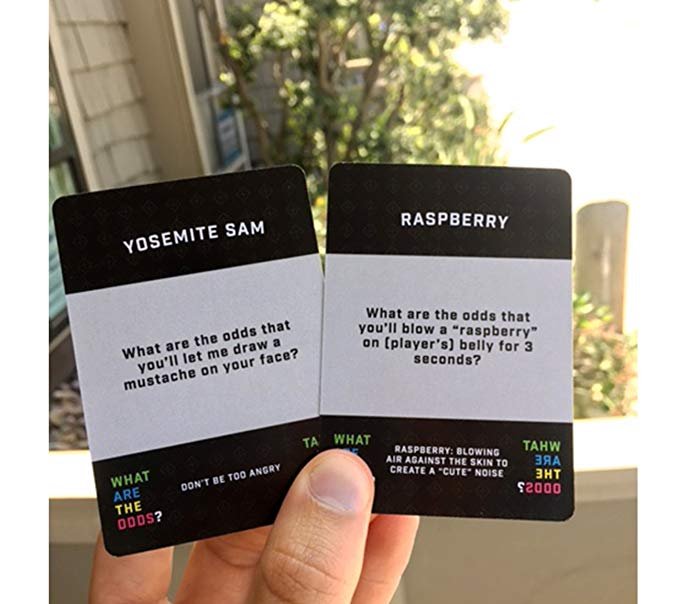
The odds game questions involve challenging someone to perform an action, and the odds dictate the probability of success, with options like “1 in 2” or “1 in 10”.
Have you ever wanted to add a bit of excitement to a gathering? Or perhaps break the ice with a fun, slightly daring challenge? This is where “what are the odds game questions” come into play. These types of prompts allow you to playfully dare someone to do something, with an added element of chance. It’s a great way to get people laughing and interacting.
The game centers around a simple premise: one person asks another “what are the odds you’d do [action]?”. The recipient then sets the odds, from easy to quite difficult. The game is simple, fun and can be played anywhere.

What Are the Odds Game Questions: Diving Deep into Fun and Challenges
Have you ever played “What are the odds?” It’s a super fun game that can lead to some silly dares and hilarious moments. But have you ever stopped to think about the types of questions you could ask to make the game even more exciting? That’s what we are going to explore today. We’re not just talking about any questions, we’re diving deep into the different kinds of “What are the odds” questions, why they work, and how you can create your own. Get ready to become a “What are the odds?” master!
Understanding the Basics of “What Are the Odds?”
Before we jump into the questions, let’s quickly review how the game works. Usually, one person asks, “What are the odds of you doing [insert a challenge]?” Then, the other person picks a number, like “1 to 5” or “1 to 10.” Both players count down and simultaneously say a number within that range. If both numbers match, the person who was challenged has to complete the dare. If the numbers don’t match, the challenger has to try again with someone else. It’s a simple game, but with some creative question asking, it can get very entertaining.
Categories of Great “What Are the Odds?” Questions
To make the game more interesting, it helps to think about different categories of questions. Here are a few to get you started:
Silly and Goofy Challenges
These questions are all about having fun and not taking things too seriously. They are perfect for lighthearted groups. Here are some examples:
- What are the odds of you singing a song in your silliest voice?
- What are the odds of you doing a funny dance move right now?
- What are the odds of you talking like a pirate for the next five minutes?
- What are the odds of you wearing your socks on your hands?
- What are the odds of you trying to balance a spoon on your nose?
- What are the odds of you pretending to be a chicken?
- What are the odds of you making a funny face for the rest of the round?
Action-Oriented Challenges
These questions encourage players to move and do something physical. They are great for getting energy out!
- What are the odds of you doing five jumping jacks right now?
- What are the odds of you running around the room?
- What are the odds of you doing a quick cartwheel (if you know how to)?
- What are the odds of you hopping on one foot for ten seconds?
- What are the odds of you touching your toes?
- What are the odds of you walking backwards for the next minute?
Creative Challenges
These challenges allow players to express their imagination and creativity. They are great for those who love to think outside the box.
- What are the odds of you drawing a picture with your eyes closed?
- What are the odds of you making up a short story right now?
- What are the odds of you creating a funny song about the room?
- What are the odds of you making a paper airplane with the nearest paper?
- What are the odds of you acting out a scene from your favorite movie?
- What are the odds of you building a small tower using whatever you can find?
Slightly Embarrassing Challenges (Use with Caution!)
These questions can add a layer of humor and awkwardness, but it’s essential to make sure everyone is comfortable before introducing this category. Make sure you know your group well and avoid anything that could make someone genuinely uncomfortable.
- What are the odds of you telling everyone your biggest fear? (Keep it lighthearted)
- What are the odds of you saying the alphabet backward?
- What are the odds of you imitating the person to your left?
- What are the odds of you making a loud animal sound?
- What are the odds of you trying to do a silly walk for the next minute?
- What are the odds of you singing a song really loud?
Food Related Challenges (if applicable)
If you have some snacks around, you can add some food related challenges for some extra fun.
- What are the odds of you eating a spoon of [name of food]?
- What are the odds of you taking a bite of [name of food]?
- What are the odds of you trying to balance food on your forehead?
- What are the odds of you making a funny face while eating food?
Thinking About Probability
When playing “What are the odds?”, it’s a great opportunity to introduce some basic probability ideas, though you don’t need to overcomplicate it for younger children. You can explain that the bigger the number range they choose, the lower the chance of matching. For example, it’s less likely they’ll match a number between 1 and 10 compared to a number between 1 and 3. This small introduction to probability concepts can be interesting and educational!
How to Create Your Own “What Are the Odds?” Questions
Now that you have a good grasp of different types of questions, let’s talk about how you can create your own. It’s all about using your imagination and considering your audience. Here are some helpful tips:
- Know Your Audience: Think about who you are playing with. Are they generally very silly and adventurous, or a little more shy? Tailor your questions to their comfort level and interests. If you are playing with family you might ask more silly questions, but if it is with your friends and it’s not a serious event you can add some slightly embarrassing or challenging questions.
- Think of Activities: Base your questions on activities that are available or easy to do in the setting you’re in. If you are at home, you might have things like household items available, and if you are outside, you might have plants or an open area where some activities are possible.
- Be Specific: Use clear and concise language. Make sure the person being challenged knows exactly what they need to do. For example, instead of saying, “What are the odds of doing something funny?” say, “What are the odds of you making a silly face?”
- Make it Fun: Always keep the game fun and lighthearted. Even if some challenges are a little silly or potentially embarrassing, make sure that they are still enjoyable for everyone involved. The aim is to laugh and have a good time together.
- Mix it Up: Don’t stick to the same type of questions. Mix silly ones with action-oriented ones to keep the game fresh. Try the slightly embarrassing or food related ones if applicable and people are comfortable with that.
- Encourage Participation: Invite other players to suggest questions. This can lead to some very creative dares that you might not have thought of yourself. It will help you to also involve everyone more in the game.
The Importance of Good Sportsmanship
Remember that “What are the odds?” is supposed to be a fun game. It’s important to be a good sport, whether you’re asking the questions or completing the challenges. If someone matches your odds, they should follow through with the dare, and if they don’t match, they should be prepared to play again. If there are questions that make you feel uncomfortable you can always say that you want to skip that or tell your friends that you don’t like it before you start the game so that nobody can get uncomfortable during the game. Also, it is great to cheer others on when they are taking a challenge and laugh together.
“What are the Odds” as an Icebreaker
This game can also be used as an icebreaker for groups that don’t know each other well. The slightly silly and fun dares can break down some barriers and help people get more comfortable and interact more easily. You can encourage slightly embarrassing challenges so that people can laugh together, and it will create a sense of connection between the group.
Adapting for Different Ages and Groups
The beauty of this game is that it can easily be changed for different age groups and groups. You can tone down some of the sillier questions if it is with a younger crowd, or you can make it more challenging for an older group. The key is always to tailor the game to those who are playing it.
Example Scenarios to Get You Started
Let’s look at a few scenarios to illustrate how you could use these “What are the odds?” questions:
Scenario 1: A Birthday Party
At a birthday party, you could use silly and action-oriented questions to keep everyone involved and excited. Some examples could include “What are the odds of you singing ‘Happy Birthday’ in a funny voice?” or “What are the odds of you doing a silly dance for 30 seconds?” You could even do some food related challenges if you have cake or other snacks around.
Scenario 2: A Family Game Night
For a family game night, you might choose more creative and playful questions. You could ask, “What are the odds of you creating a short story about a dog?” or “What are the odds of you doing a silly impression of a family member?” The slightly embarrassing questions can work great with family members when everyone is in a very relaxed and comfortable setting.
Scenario 3: A Friends Hangout
When playing with your friends, you could use a mix of all kinds of questions, from silly to slightly embarrassing and action-oriented, depending on your group dynamic. You could ask, “What are the odds of you doing five push ups?” or “What are the odds of you telling your funniest joke?”. The slightly embarrassing ones could be good, such as “What are the odds of you telling what was the most embarrassing thing that happened to you?”.
Why “What Are the Odds” is So Engaging
The “What are the odds?” game works because it’s simple to learn, easy to play anywhere, and it leads to spontaneous and often funny situations. The suspense of the countdown before the numbers are revealed adds an element of excitement and unpredictability. It encourages participation and interaction among everyone playing the game, and it’s a great way to create fun memories and moments.
Playing “What are the Odds” also helps build social and emotional skills like quick decision-making, sportsmanship, and having a good laugh with others. It’s not just about the silly dares – it’s about connecting with the people you’re playing with and making lasting memories.
So, the next time you’re looking for something fun to do with friends or family, remember the “What are the odds?” game and all the amazing questions you can ask. Have fun, get creative, and make some silly memories together!
How to Play What Are the Odds
Final Thoughts
In short, what are the odds game questions provide a fun way to engage with friends. It’s a simple yet engaging activity which can lead to many silly moments and laughter. The game’s easy-to-grasp rules make it accessible for everyone to jump in and play.
These challenges prompt creative and funny dares that can be personalized. Using “what are the odds game questions” ensures a light-hearted experience with surprising outcomes. It must be remembered, the core of this game is playful and enjoying.

