
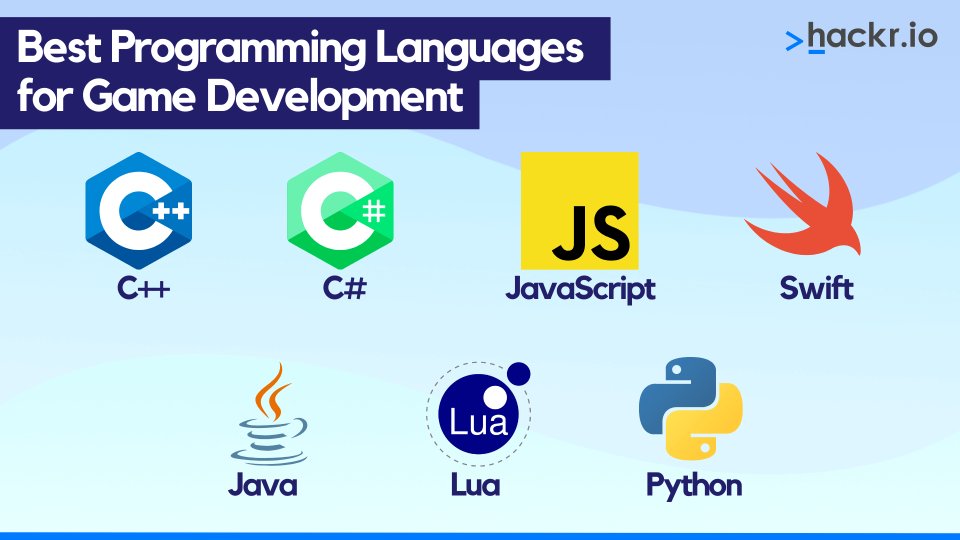
Game developers primarily use C++, C#, and sometimes Lua, Python or Java, depending on the specific game engine and platform.
Ever wondered what magic powers game creators use to bring your favourite digital worlds to life? It’s not sorcery, but rather skill with specific programming languages. When considering what coding language do game developers use, it’s often a mix depending on the complexity of the project.
C++ is a favorite for high-performance titles because of its control, while C# pairs well with Unity. Different game engines also support specific scripting languages too. Each language offers a unique set of tools.

What Coding Language Do Game Developers Use?
So, you want to build your own video game? That’s awesome! But where do you even begin? Well, a big part of creating a game is writing code. Code is like the secret language computers understand, and it tells the game what to do. Different games use different languages, and choosing the right one is like picking the perfect tool for a job. Let’s explore the most popular coding languages game developers use and why they’re so great.
The Powerhouse: C++
C++ is often called the workhorse of game development. It’s a very powerful language that lets developers have a lot of control over how the game works. Think of it like a super-powered engine that can handle even the most complex and graphic-heavy games. Here’s why C++ is so popular in the gaming world:
Speed and Performance
One of the biggest reasons game developers love C++ is its speed. Games need to run smoothly, especially during fast action scenes. C++ allows the game to run quickly and efficiently, so you don’t experience lag or slowdowns, which is super important for the gaming experience. It’s like having a race car instead of a slow bicycle – it just performs much better.
Hardware Control
C++ provides developers close-to-the-hardware access. This means they can directly tell the computer’s different parts, like the graphics card, what to do. This deep level of control helps them create incredibly detailed and visually stunning graphics. It’s as if the developer has fine control over each brushstroke in a digital painting.
Complex Game Logic
Game developers use C++ to make those intricate rules and systems that make games interesting. Whether it’s how characters move, how objects interact, or how the game responds to your choices, C++ can handle it all. It’s like being a master puzzle maker, where each piece, created with code, fits together perfectly to make the final game.
Game Engines
Many popular game engines, like Unreal Engine, are built using C++. This means if you want to work extensively with these engines or develop new features for them, you will need to understand C++ basics and intermediate concepts. This knowledge is very much needed if you want to deeply customise your game.
Examples of Games Made with C++:
- The Witcher Series
- Counter-Strike: Global Offensive
- Many titles within the Grand Theft Auto series
The Versatile Option: C#
C# (pronounced “C sharp”) is another popular language among game developers, and it’s especially loved for its user-friendly nature. While C++ is powerful, C# is generally considered easier to learn and use. It’s a fantastic choice for many types of games.
Unity Game Engine
The main reason C# is popular is its tight integration with Unity, one of the most popular game development engines out there. Unity is very beginner-friendly, making it accessible to a wide range of developers, from hobbyists to professionals. You can create 2D and 3D games with Unity using C# as your programming language.
Ease of Use
C# is generally considered simpler to learn than C++, which means you can get started making games relatively quickly. It has an easy-to-read syntax, and when writing code it is structured in way so the developer does not have to think about more complex things that are present in other programming languages like C++. Because it’s less complex, developers can focus more on the game design and mechanics.
Cross-Platform Development
With C# and Unity, you can build games that run on various platforms, including PCs, consoles, and mobile devices. This means that a developer can write a single code base to make a single game, and this same game will run on multiple platforms. This cross-platform feature is a significant advantage for indie developers as it widens the reach of the games.
Large Community and Resources
C# and Unity have a large and active community of developers, meaning you can find plenty of tutorials, guides, and help when you’re stuck. The extensive availability of documentation, online courses, and community forums make C# a great option for newcomers.
Examples of Games Made with C#:
- Pokemon Go
- Hollow Knight
- Among Us
The Web Champion: JavaScript
While JavaScript is more famous for making websites interactive, it’s also become a very helpful tool for game development, especially for browser-based games and mobile games. Here’s why JavaScript is gaining momentum in game development:
Browser Games
JavaScript shines when it comes to games played directly in a web browser. Frameworks and libraries like Phaser and PixiJS make it easy to create compelling 2D games. You don’t need to download or install anything; you simply open a website and start playing.
Ease of Access
Since JavaScript runs in web browsers, a large audience has immediate access to games built with it. This is a big advantage for developers, as they don’t have to worry about app stores or downloads. It lowers the barrier to entry for players and provides a large, ready-to-play audience.
Fast Development
JavaScript is often paired with HTML and CSS, allowing for a quick game development cycle. This means you can create prototypes and test ideas very fast. This speed allows developers to experiment and refine the game mechanics more easily, making the final product more polished.
Mobile Games
Frameworks like React Native and Ionic enable you to use JavaScript to build games for mobile phones. The same code can work on both Android and iOS devices, saving a lot of time and effort during development.
Examples of Games Made with JavaScript:
- Angry Birds (web version)
- Many browser based HTML5 games
- Various simple indie games
Other Languages in the Gaming World
While C++, C#, and JavaScript are the most popular languages, there are other languages that game developers may also use:
Python
Python is known for being easy to read and write, making it a great option for beginners. It’s often used for prototyping games and scripting game tools but is less common for full-scale production due to its performance limitations compared to languages like C++.
Lua
Lua is a small, fast language that is usually embedded within other game engines. This language is designed to be easily embedded and used by other programming languages. It is used for scripting in many games and game engines, especially where runtime configuration is required.
Java
Java is still used to some extent in mobile game development, especially for Android apps and games. However, it is also now being used in bigger game titles. While not as popular as C# for Unity development, some developers still use it when developing complex games.
Visual Scripting Languages
Many game engines like Unreal and Unity provide visual scripting options. Instead of writing code directly, you use blocks and nodes to design game logic. This can be especially useful for artists and designers who are not as comfortable with text-based coding. Visual scripting is becoming much more popular among game developers who want to quickly prototype their game mechanics without writing a lot of code.
Choosing the Right Language for You
The “best” language depends on what type of game you want to create and what tools you’re comfortable with.
Things to Consider:
- Your Goals: What kind of games do you want to make? Small 2D indie games? Big 3D action games? Your goal will greatly impact the choice of programming language
- Your Experience: If you’re new to programming, C# might be easier to start with than C++.
- Game Engine: Some game engines (like Unity and Unreal) are very tightly coupled with a single language. That might force your language selection if you chose a specific game engine.
- Community Support: Having access to tutorials, forums, and a large community is critical for success. C#, C++, and JavaScript have very large communities.
Game Development Is a Team Sport
Remember, making video games is usually a team effort. You’ll have artists, sound designers, and others all working together to create the final product. Choosing a coding language is just one important step in the whole process. You don’t have to make the entire game from scratch. Using a game engine like Unity or Unreal can help speed up the process significantly.
The languages mentioned above each have their advantages and shortcomings. Game developers use each of these languages for a very particular reason. The choice of languages in game development greatly depends on various factors including the type of the game and the preference of the developers.
In conclusion, various programming languages exist that can help in developing various types of games. Game development requires different skillsets and a diverse team that works together to deliver a quality gaming experience.
The Best Programming Language for Game Developers – How to Become a Game Dev
Final Thoughts
Game developers primarily use C++ for its performance in demanding game engines. C# is another popular choice, particularly within the Unity engine’s ecosystem. Lua scripting is often embedded for specific game logic and extensibility.
Choosing a coding language depends heavily on the game’s complexity and the preferred engine. So, what coding language do game developers use is often determined by project needs. There isn’t one universal answer, but these languages represent the core of game creation.

