
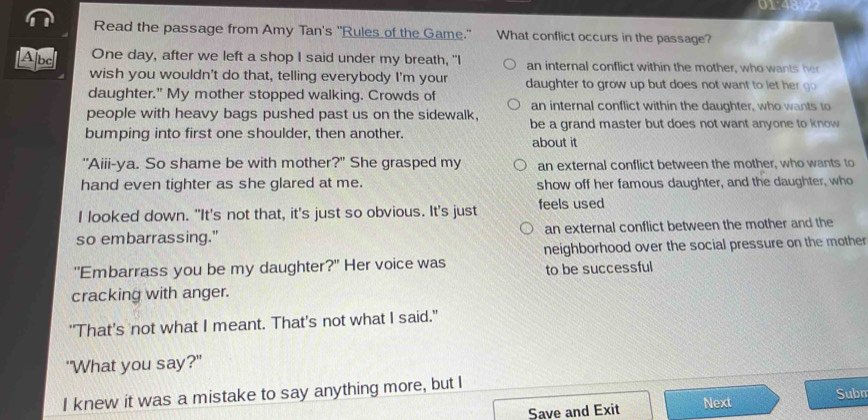
The main conflict in “Rules of the Game” is the internal struggle between Waverly’s desire for independence and her mother’s controlling expectations.
Exploring the story “Rules of the Game,” we quickly see a clash, but what conflict occurs in the passage rules of the game? It’s not simply an external battle.
Instead, we witness a deeply personal struggle within young Waverly as she navigates her chess talent and her mother’s very specific ideas about success and respect. This tension forms the heart of the story, shaping Waverly’s actions.

What Conflict Occurs in the Passage “Rules of the Game”?
The story “Rules of the Game,” by Amy Tan, isn’t just about a young girl playing chess; it’s packed with different kinds of struggles, or conflicts. These aren’t just about winning a game of chess, they are about growing up, understanding family, and finding your own place in the world. Let’s dive deep into these conflicts and see how they shape Waverly and her story.
Internal Conflict: Waverly’s Struggle with Identity
One of the biggest conflicts Waverly faces happens inside herself, this is known as internal conflict. She’s torn between two worlds: the traditional Chinese values her mother holds so dear and the American culture she’s growing up in. This creates a kind of tug-of-war within her. She loves the game of chess, and it gives her a sense of accomplishment and recognition, but her mother tries to control her chess career and how she behaves as a celebrity which she didn’t like at all.
The Pressure of Prodigy
Waverly’s talent for chess makes her a bit of a prodigy, someone very good at a young age. However, the attention and expectations that come with this talent put a lot of pressure on her. She feels she always has to be the best, and the burden of living up to that expectation weighs heavy on her. This also makes it harder to just be a normal kid. She feels this strain because she knows her mother wants to show off her skills in chess, which causes her more frustration. She wanted to be praised by herself, for her talent, not for her mother to take the fame of her achievements.
Balancing Two Cultures
Imagine trying to learn a completely different language while speaking your own native tongue, it is like living in two different worlds. Waverly faces this every day. She needs to obey her mother’s strict rules at home while navigating the more free-wheeling American culture with her friends at school. She is pulled in different directions. Her mother is very proud of her, but Waverly feels that her mother is only proud of her because of her chess skills. She struggles to reconcile these very different sets of expectations and this internal battle is a big part of her conflict.
External Conflict: Waverly vs. Her Mother
The external conflicts, those between characters, are really crucial in this story. The most significant of these is the ongoing struggle between Waverly and her mother, Mrs. Jong. These are clashes of wills and ideas that play a vital role in the story.
The Battle for Control
The biggest conflict between Waverly and her mother is about who is in charge of Waverly’s life, particularly regarding her chess. Mrs. Jong believes she knows what’s best for Waverly and tries to control every aspect of her chess playing. She gives Waverly lessons, decides when she can play, and even tells her to use her “thinking” face. Waverly, on the other hand, wants to make her own choices and have control over her own talents. She wants recognition for her personal skills, not as a doll under the direction of her mother. She just wants to play chess.
Misunderstandings and Cultural Gaps
Some of the conflict stems from the cultural differences between Waverly and her mother. Waverly is a child growing up in America, whereas Mrs. Jong has very strong ties to her Chinese heritage. They often misunderstand each other because they view the world differently, and their cultural ideas clash on a daily basis. For instance, Mrs. Jong believes that showing humility is important, while Waverly wants the kind of recognition that’s more common in American culture. These clashes highlight how their different viewpoints contribute to their conflict.
The Gift of the Chess Set
The initial gift of the chess set acts as a catalyst for the conflict. Although it seems like a positive gesture, it sets the stage for the power struggle that develops between Waverly and her mother. The chess set becomes a symbol for the conflicting desires for control and individuality. It’s the thing that both brings them together and pulls them apart.
External Conflict: Waverly vs. Her Brothers
Although not as prominent as her struggle with her mother, Waverly also faces external conflict with her brothers. This conflict, while smaller, is important to understanding her position within the family.
Teasing and Sibling Rivalry
Waverly’s brothers often tease her, especially about her talent for chess. They use her chess success as a source of mockery, which can be quite frustrating for her. This teasing shows the normal kind of sibling rivalry but it also highlights the unique pressure she faces as the only girl in her family with a very specific, very public talent. The boys simply are just children who are jealous of their sister’s recognition, and that brings the tension between the siblings.
Lack of Understanding
Her brothers do not really understand what chess means to Waverly or the pressures she faces. They don’t have the same insight into the complexities of her situation, leading to more conflict. They just see it as a game and don’t realize how much work and focus it takes from their sister and that it’s not just any ordinary game but her passion for which she has talent. This lack of understanding causes more frustration for Waverly, who craves support but often receives mockery.
Conflict of Values: Individualism vs. Collectivism
Another layer of conflict in “Rules of the Game” comes from the clash of values. These different value systems bring a lot of tension to the family.
American Individualism
Waverly is growing up in a society that emphasizes individualism. She’s encouraged to chase her own dreams, be independent, and stand out from the crowd. In this American way of thought, personal success is highly valued. And she loves it when she is appreciated for her skills. This clashes with the Chinese values that her mother embraces.
Chinese Collectivism
Mrs. Jong represents the Chinese cultural value of collectivism, where the good of the family is always more important than the needs of the individual. She believes in maintaining harmony within the family and community and putting the family’s reputation above personal achievements. This focus on family is why she always pushes Waverly in chess because she wants the best for her family, and she values her family’s reputation. This clash of values is a major source of conflict between Waverly and her mother.
The Significance of “Rules of the Game”
The title itself, “Rules of the Game,” has a double meaning. On one hand, it refers to the rules of chess, a game that Waverly is very good at. But it also refers to the rules of life and the complicated “games” that Waverly must navigate, especially in her relationship with her mother. The conflict that arises from her mother’s controlling attitude and Waverly’s need for independence, emphasizes this meaning.
Chess as a Metaphor
Chess acts as a metaphor for life and the strategies that Waverly must use to survive her own life. Just like in chess, she must think strategically about her next moves, especially when she faces challenging situations in her life, particularly those with her mother. Chess and the lessons she learns from it, translate into the conflicts she faces in daily life.
Growing Up
The conflicts in “Rules of the Game” are essential to Waverly’s journey of growing up. Through these challenges, she learns a great deal about herself, her family, and the complexities of navigating multiple cultures. It also shows that growing up often means dealing with conflicts and figuring out how to find your own way, even if you still love your family.
In short, the conflicts in “Rules of the Game” are about more than just a mother and daughter who disagree. They represent the struggle of finding your identity, balancing different cultures, and the complexities of growing up. Waverly’s journey shows that life itself can often feel like a game full of rules, and that each person must learn to play that game in their own way.
Dangerous signs on hand#palmist #palmistry #palmistry001
Final Thoughts
The central conflict in “Rules of the Game” arises from Waverly’s struggle between her individual ambition in chess and her mother’s traditional Chinese values. This clash creates a power dynamic that intensifies as Waverly gains success. Waverly’s need for independence must overcome the restrictive expectations her family holds.
The conflict deepens as Waverly experiences more pressure at home. Her growing fame creates a rift between her desires and her family’s views on success. Ultimately, the text highlights what conflict occurs in the passage rules of the game, a deep divide between personal growth and familial obligation.

