
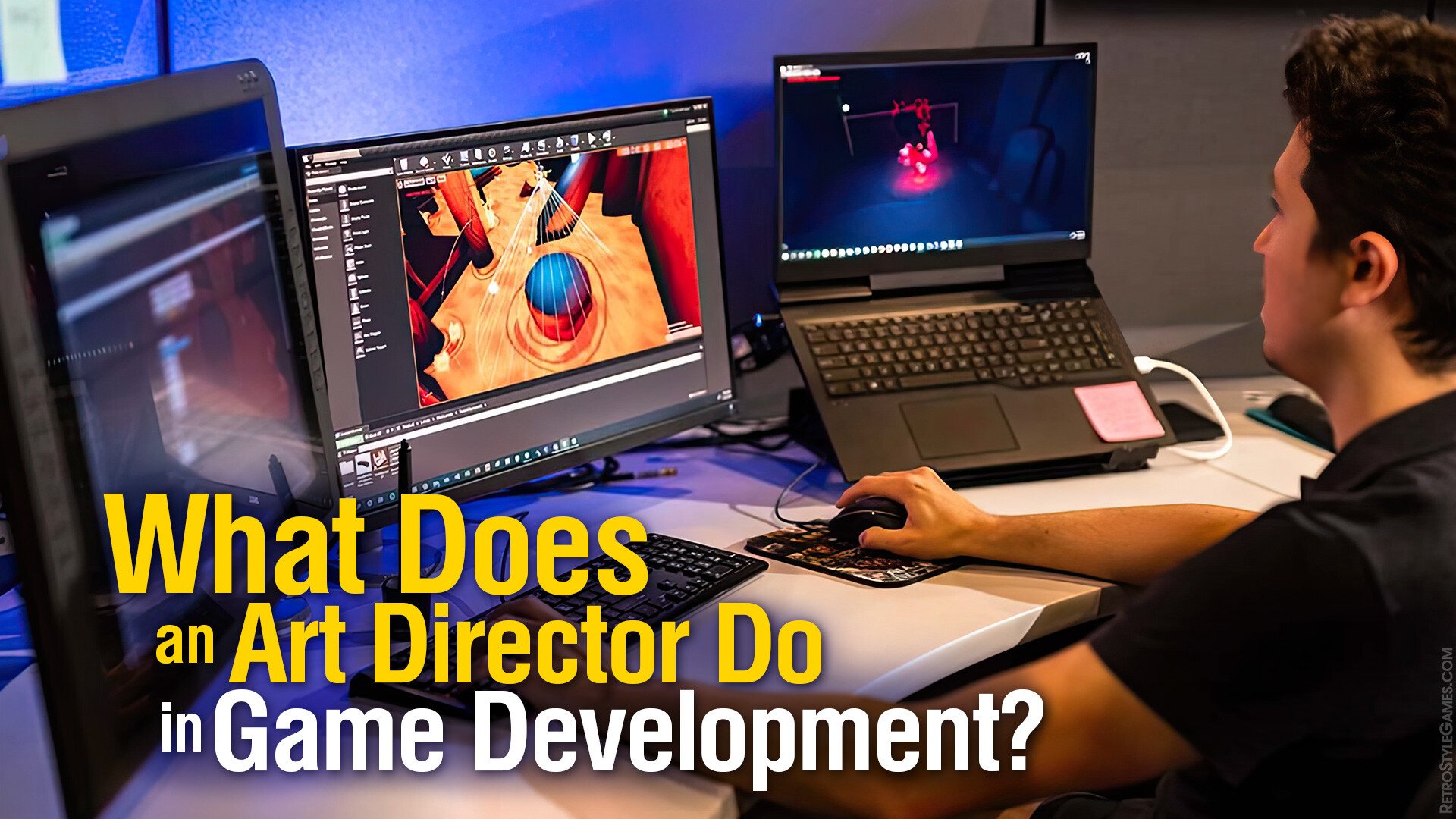
Game directors guide the overall vision and creative direction of a game, ensuring it’s cohesive and meets its design goals.
Ever wondered about the driving force behind your favorite video games? The people who shape the worlds, characters, and stories you experience? We often ask, “what do game directors do?” It’s a complex role, and they are the visionaries, acting as the main creative authority.
They make crucial decisions regarding gameplay, art style, and narrative. These people are pivotal in bringing the game from concept to reality. They are in charge of making sure everything works together in a cohesive manner.

What Do Game Directors Do?
Have you ever wondered who’s in charge of making your favorite video games so awesome? That’s where the game director comes in! They are like the captain of a ship, guiding the entire team to make sure everything goes smoothly and that the game turns out amazing. But what exactly does a game director do every day? It’s a lot more than just playing video games, even though that might be a small part of it!
The Visionary: Setting the Game’s Direction
At the heart of a game director’s job is their vision for the game. They’re the ones who decide what the game will be about, what kind of world it will have, and what feelings they want players to experience. Think of them as the main storyteller, imagining the whole adventure before it’s even created.
Concept Creation: Where Ideas Begin
The director starts by thinking about the game’s core concept. This includes:
- Genre: Is it an action game? A puzzle game? A role-playing game (RPG)? They choose the type of game it will be.
- Theme: Will the game be set in space? A fantasy world? Or maybe in a real-life city? The theme establishes the game’s overall feel.
- Story: What will be the main narrative? What will the characters face? The director often collaborates with writers on the game’s plot.
- Gameplay Mechanics: How will the player interact with the game? What are the rules, the challenges, and the ways to win? They make these important decisions.
For example, the director might say, “Let’s make a fun racing game in a colorful world with cute animals as drivers!” This idea then shapes everything else about the game.
Defining the Game’s Goals
The director also needs to think about what they want players to achieve. What are the short-term and long-term goals that will keep the players engaged? These goals are crucial for providing a satisfying experience. They need to make sure players feel like they are working toward something worthwhile while they are playing.
The Leader: Managing the Development Team
A game director doesn’t work alone. They are the leader of a team of many talented people, such as artists, programmers, designers, and sound engineers. Their role involves making sure that everyone is working together and heading in the right direction.
Team Communication and Collaboration
Effective communication is vital for a game director. They need to explain their ideas clearly to the entire team and make sure everyone understands their role. They have regular meetings, provide feedback, and solve any problems that come up. Good communication is essential for a smooth development process and helps create a unified game.
- Providing Clear Direction: The director must give a good and clear instruction to each department.
- Encouraging Collaboration: They make sure different departments work together to make a great game.
- Facilitating Communication: The director makes sure everyone can share ideas and get help when they need it.
Managing the Development Process
Creating a video game is like building a big house. It takes time and careful planning. A game director creates a project schedule, setting timelines for completing different tasks. They also track the progress of each team member, ensuring that the game stays on course.
- Setting Milestones: The director decides what needs to be done by certain dates.
- Monitoring Progress: They make sure that tasks are completed on time.
- Addressing Issues: The director resolves problems that appear during development.
The Problem Solver: Overcoming Challenges
Making a game is never easy, and there will always be unexpected problems. Game directors are very good at finding solutions, whether they are technical glitches, design flaws, or time constraints. They always try to solve these issues.
Technical Challenges
Games are made using computer code. Sometimes, this code doesn’t work as expected. Game directors work with the programmers to fix bugs, improve the game’s performance, and make sure everything runs smoothly.
- Identifying Bugs: They find problems in the game’s code and how it runs.
- Working with Programmers: They help the programming team fix those errors.
- Ensuring Performance: They make sure the game runs well on different types of computers and devices.
Design Challenges
A game’s design needs to be fun and engaging. Sometimes, the first design idea might not work as well as the team thought it would. Game directors analyze feedback and suggest changes to make the game more enjoyable and captivating.
- Analyzing Playtester Feedback: They pay attention to what players say about the game.
- Improving Game Mechanics: They make small changes to how the game works if something isn’t working well.
- Keeping the Game Balanced: They make sure it’s not too hard or too easy.
Creative Challenges
Developing creative content can be hard. The director leads the team in finding creative solutions. This could include making changes to artwork, adding new story elements, or finding innovative ways to improve gameplay.
- Inspiring the Team: They encourage everyone to come up with creative ideas.
- Finding Solutions: They find ways to make the game more interesting and unique.
- Ensuring Consistency: They make sure all the different parts of the game fit together well.
The Advocate: Championing the Player Experience
Ultimately, a game director’s main goal is to make a game that players love. They act as a champion for the players, constantly thinking about what will make the game fun, interesting, and rewarding. They always think from the player’s point of view.
Player Focus
Everything a director does is geared towards making the best experience possible for players. They pay close attention to details and make changes based on feedback they get from players. The director also thinks about different player types to appeal to a wider audience.
- Understanding Player Preferences: They think about what different players might enjoy.
- Focusing on Fun: They make sure the game is enjoyable for everyone.
- Creating a Memorable Experience: They try to make a game that players will always remember.
Quality Control
Before a game is released, the director makes sure that it is polished and free of major issues. This includes testing, reviewing, and fixing any final problems. The director wants the game to be in the best shape possible before players get to experience it.
- Testing the Game: The director makes sure that every part of the game is fully working.
- Reviewing Game Elements: They look at every part of the game from story to gameplay.
- Finalizing the Game: They make sure everything is ready for release.
A Day in the Life
What does a typical day look like for a game director? It’s a very busy job with lots of variety. Here are some things they might do:
- Meetings: Talking with different teams about game design, artwork, programming, and sound.
- Reviewing Progress: Checking the latest version of the game and making notes on how to improve it.
- Giving Feedback: Providing detailed suggestions to the team about the game.
- Solving Problems: Fixing issues that have come up during the development process.
- Planning for Future: Thinking about what to do next and organizing the next steps.
The day may involve everything from discussing story details with a writer, testing gameplay mechanics with designers, or reviewing artwork with an artist. It’s a role that requires many different talents and skills.
Essential Skills for Game Directors
Game directors need a specific set of skills to do their job well. These skills blend creativity, leadership, and problem-solving.
Creative Vision
A good director has a clear idea of what kind of game they want to make. They need to be able to imagine the complete world, the story, and the gameplay. It’s this vision that guides the entire game’s development.
Leadership Abilities
A game director must be a good leader, able to motivate and guide their team. They need to communicate well, delegate tasks, and create an environment where everyone can do their best work.
Problem-Solving Skills
Game development presents many challenges, and directors must be great problem solvers. They need to think clearly under pressure and make decisions that keep the project moving forward. This is a very important part of the process.
Communication Skills
Directors spend a lot of time talking to different people. They need to be able to explain their ideas clearly and listen to other team member’s opinions. Being a good communicator is essential for keeping everyone on the same page.
Passion for Games
Most importantly, game directors have a deep love for games. This passion helps them to make great experiences for players because they understand what makes a game fun and engaging. A deep love for the game is very important.
The Impact of a Game Director
The game director’s role is not always seen, but it’s extremely important. They are the ones who make sure that all of the different pieces come together into a unified and excellent product. Without a strong director, the game would never make it to players or be enjoyable to play. Their decisions greatly influence how good the game ultimately is and how much people enjoy it.
So, the next time you play your favorite video game, think about the game director – the person who brought that world to life, guiding a team to create something amazing. They are very important in bringing a great gaming experience to players.
Game directing is more than a job; it is a journey of creating joy, excitement, and unforgettable memories for players around the world. The director shapes not only a game but also experiences, leaving an impact far beyond the virtual world.
What directors think editors do
Final Thoughts
Game directors guide the overall creative vision of a project. They make key decisions about gameplay, story, and art direction. They manage and collaborate with different teams to achieve their goals.
Essentially, what do game directors do is oversee the entire game development process. They ensure the final product meets the intended goals and player experience. They are a very key personnel in bringing video games to life.

