
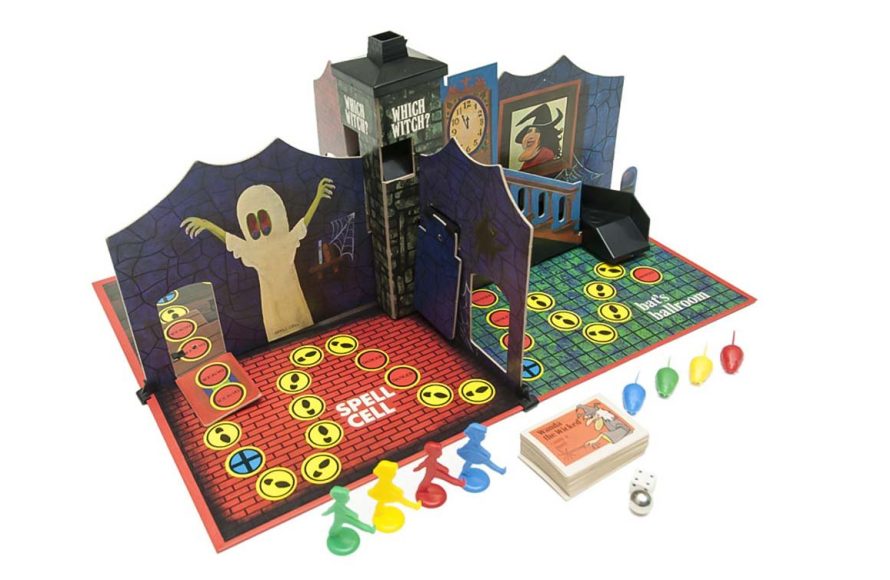
‘Which witch is which game’ requires you to identify and match pairs of witches based on subtle differences in their appearance.
Ever squinted at two seemingly identical characters, trying to spot the tiny quirk that sets them apart? That’s the core challenge of the ‘which witch is which game’. It’s a delightful test of observation skills.
This fun activity engages your attention to detail. It is perfect for those who enjoy a visual puzzle. Get ready to put your keen eyes to the test!

Which Witch is Which Game: A Spooktacular Deep Dive
Alright, everyone, let’s get into the real fun – the nitty-gritty details of “Which Witch is Which!” We’ve already talked about how awesome this game is, but now it’s time to explore all the amazing ways you can play and make this game truly your own. Whether you’re having a Halloween party, a classroom gathering, or just a silly afternoon at home, “Which Witch is Which” is perfect. So, grab your magic wands (or pencils), and let’s get started!
The Basic Gameplay: Spotting the Odd Witch Out
At its heart, “Which Witch is Which” is a simple observation game. The main goal is to look closely at a group of witches and figure out which one is slightly different. Usually, you’ll have several witches that look almost exactly alike, with one little thing changed. This change could be anything from the color of their hat to the direction of their broom or even the expression on their face.
To play, you’ll need a set of images or drawings of witches. You can find these online, in books, or you can even draw them yourself. Here’s how the basic gameplay works:
- Setup: Prepare your set of witch pictures. Make sure that most of the witches are the same except for one detail.
- Look Closely: Players look very carefully at each witch image, scanning for differences.
- Identify the Different Witch: The player who spots the odd witch out first shouts it out. Or, if writing, they circle or point to the different one.
- Explain Why: After selecting the different witch, players explain what makes it different from the others. This is key for developing observation skills!
- Repeat: Play multiple rounds with different sets of witch pictures.
Variations for Extra Fun: Spicing Things Up
The great thing about “Which Witch is Which” is that you can modify it to keep it interesting. Here are some variations that can keep things fresh and fun:
Speed Challenge: How Fast Can You Spot the Difference?
This variation puts a timer on each round, adding a little bit of pressure and excitement. Here’s how you can try this:
- Timer: Set a timer for a short amount of time (e.g., 15-30 seconds) per witch picture.
- Go: Start the timer and let the players scan for the different witch.
- Stop: When the timer goes off, players stop observing. Whoever found the odd witch in the time limit gets a point.
- Winner: The player with the most points at the end of a few rounds wins.
Team Play: Witches United!
This version makes the game collaborative. Work together to find the differences, and foster teamwork. Try this method:
- Divide: Split into two or more teams.
- Teamwork: Each team gets a set of witch pictures to look at.
- Discuss: Teams talk with each other and figure out which witch is different. They then agree together on the answer.
- Points: The first team to correctly find the different witch gets a point.
- Friendly Competition: Which team will find the most different witches by the end?
Create Your Own: Designing the Witches
This option adds a creative element to the game. Players can create their own set of witches:
- Draw: Have each player draw a set of similar witches. Make sure they change just one thing on one of the witches.
- Exchange: Players exchange their drawings with each other.
- Play: Now, players play “Which Witch is Which” with the witches their classmates created.
- Creativity: This is a great way to encourage artistic expression and boost understanding of the game.
Sensory Scavenger Hunt: Finding the Witches Around
Take the game away from the table. Hide pictures of the witches around the play area for a scavenger hunt. Players find the witches and then identify the different witch.
- Hide the Witches: Hide the prepared witch images in the room.
- Hunt and Seek: Players look for the witch images.
- Identify: When a player finds all the witch images, they select the different one.
- Fun and Movement: This game adds some physical activity to the mix.
Boosting Observation Skills: More Than Just a Game
“Which Witch is Which” isn’t just fun; it also helps build important skills. This simple game encourages children to improve their:
- Visual Discrimination: The ability to see the differences in things.
- Attention to Detail: Focusing on small changes.
- Critical Thinking: Figuring out the differences.
- Problem Solving: Finding the solution to the game.
- Vocabulary: Players can learn new words to describe the witches and their features.
Creating Your Own “Which Witch is Which” Set: Getting Started
Making your own set is super easy and fun! You don’t need to be an artist, and you can personalize the witches any way you like. Here’s how you can create your set:
Materials You’ll Need:
- Paper or Cardstock: Use regular printer paper, construction paper, or cardstock to draw the witches on.
- Drawing Supplies: Colored pencils, crayons, markers, or anything else you like to use to color.
- Optional: Stickers, glitter, and other fun things to make your witches extra special.
Step-by-Step Guide: Drawing Your Witches
- Draw the Basic Witch: Start by drawing a basic witch outline. This witch will be the model for your set. Don’t get too detailed. Keep it simple. Think a circle for the head, a triangle for the hat, and a dress below.
- Make Copies: Draw a few more witches that are nearly identical. Usually, you want about 4-6 total witches, depending on how challenging you want it to be.
- Add the Difference: On one witch, change one small feature. For instance:
- Change the color of the hat.
- Make her broom go the other way.
- Change her facial expression.
- Add a patch to her dress or hat.
- Give her a different color of shoes.
- Check Your Work: Make sure the difference is noticeable but not too obvious. You want it to be challenging, not frustrating!
- Share and Play: Now your “Which Witch is Which” set is ready to play.
Tips for Designing Great Witch Sets
- Keep it Simple: Simple drawings are easier to see and focus on for small differences.
- Vary the Differences: Change different features, like color, direction, patterns, or accessories. This keeps the game engaging and keeps players on their toes.
- Age Appropriate: Consider the age of the players. Younger kids might need more noticeable changes. Older kids will be fine with some really tiny differences.
- Be Creative: Use your imagination! You can use funny accessories or patterns. Have fun and enjoy the process of creating your unique witchy characters!
Using “Which Witch is Which” in Different Settings: Where to Play
This game is so adaptable, it’s wonderful for playing in various situations, whether you’re at home, in the classroom, or at a party!
At Home: Family Fun
“Which Witch is Which” is an excellent family game. Here are some ideas:
- Rainy Day Activity: When you are trapped inside, this game is perfect for passing time.
- Family Game Night: Add this game to your family game night lineup.
- Sibling Rivalry (in a good way!): Encourage a friendly competition to see who spots the different witch first.
- Creative Fun: Kids can create their own witch sets to share with the family, too.
In the Classroom: Learning Through Play
Teachers can use “Which Witch is Which” to help kids improve observation and focus. How to incorporate it in the classroom:
- Observation Skills Lesson: Use this as a lesson to help kids learn to see details, which is super helpful in all subjects, such as math or writing!
- Brain Break: After a lot of focused learning, use this for a quick break, helping them return to their studies refreshed.
- Group Activity: Use a version like team play to encourage group work.
- Art Project: Have students create their own witches, which will help them practice the art of the game and see how it’s made.
At Parties: Spooky Fun
This game is perfect for any party, especially Halloween!
- Party Game: A fun activity that everyone can play.
- Prize Activity: You can have a small prize for whoever finds the most different witches.
- Theme Game: This game is ideal for a witch themed party!
- Get Creative: Let the kids design their own witch sets at the party to take home as party favors!
Making it Accessible: Adapting the Game
It is important that everyone is able to play and enjoy the game. Here’s how to adapt the game to make it inclusive:
- Larger Images: Use bigger pictures for those who have trouble with small objects.
- Simplified Differences: Make the differences more obvious to those who have trouble.
- Verbal Clues: Describe the witches out loud for those who struggle to see the differences.
- Tactile Versions: Create witch shapes using textures (like fabric or sand) for visually impaired players.
By making these simple adjustments, you can make sure everyone feels included and has fun. Remember, the most important part of any game is that everyone is enjoying themselves! “Which Witch is Which” can be tailored to fit everyone’s needs.
And that’s the lowdown on “Which Witch is Which!” It is a game that is much more than simple fun. It helps children learn, focus, create, and collaborate. So, gather your friends, grab your drawing supplies, and get ready for some magical fun! Whether you go for the classic version or try any of the awesome adaptations, you’re sure to have a blast.
1970 1971 Milton Bradley Which Witch board game TV commercial
Final Thoughts
The simple fun of ‘which witch is which game’ makes it a must for any party. It’s easy to learn and provides hilarious moments as players try to remember the correct witch identities. The quick pace keeps everyone engaged and laughing.
This memory-matching game tests observation and quick thinking. It’s a game perfect for all ages. The simplicity of the rules allows players to jump right in and enjoy themselves.
Which witch is which game guarantees a good time. Its engaging gameplay and silly characters make it a winner every time. This must have is an ideal choice for family game nights or social gatherings.

