
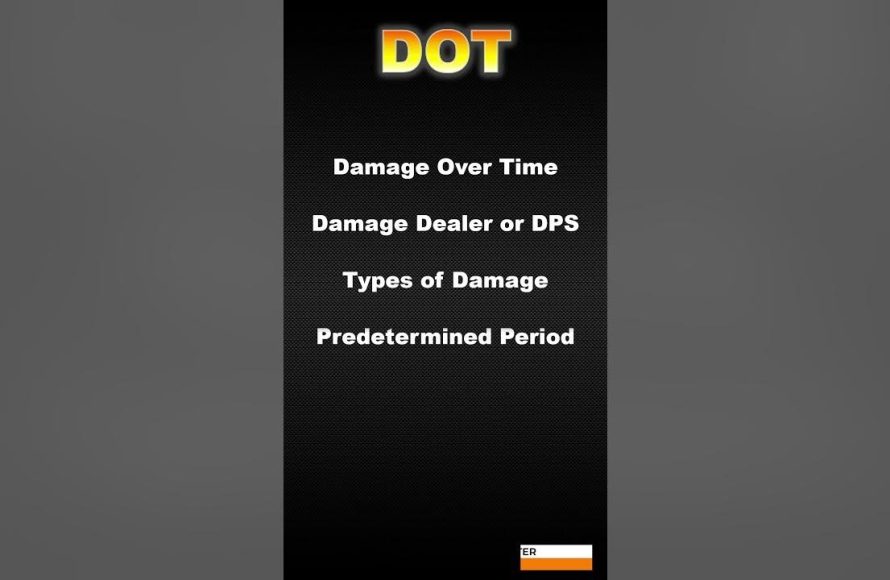
In games, “dot” typically stands for Damage over Time.
Ever seen a health bar slowly draining away even when not actively being attacked? That’s often due to damage over time effects, or “dot” for short. This mechanic introduces a layer of strategy to gameplay, forcing players to think beyond just immediate attacks. Understanding what does dot stand for in games is essential for players to grasp how to manage their characters’ survival.
These lingering effects might come from poison, burning, or other similar ailments. They often require specific counters or healing methods to mitigate. This element adds complexity and tactical depth to combat systems in games.

What Does DOT Stand For in Games?
Have you ever been playing a video game and heard someone say, “Oh no, I’m taking DOT!”? Maybe you’ve even seen it pop up on the screen as numbers tick down near your character. What exactly does that mean? Well, DOT stands for “Damage Over Time.” Let’s dive deeper into what this important game mechanic is all about.
Understanding Damage Over Time
Damage over time, often shortened to DOT, is a type of damage that doesn’t hit all at once like a punch or a fireball. Instead, it’s like a little bit of damage that happens repeatedly over a set period. Think of it like being stung by a bee – it hurts, and the hurt keeps going for a while, even after the bee is gone. In games, this could be from poison, fire, bleeding, or other similar effects.
How DOT Works
Imagine your character steps into a puddle of green goo in a game. That goo is poisonous! Instead of getting a big damage number right away, you might see something like “5 damage per second” for 10 seconds. This means that every second, your character loses 5 health points until the effect wears off. Here’s a breakdown of the key things to remember about DOT:
- Initial Application: A DOT effect starts when you’re hit by an attack, spell, or something similar that applies it.
- Repeated Damage: The damage happens regularly, like every second or every few seconds.
- Duration: DOT effects last for a specific amount of time. After that, the damage stops.
- Stacking or Refreshing: Some DOTs can stack, meaning if you get hit again before the first one wears off, the damage will increase. Other DOTs might just refresh the duration when reapplied.
- Different Sources, Different Damage: The type of damage is important. A fire DOT does fire damage, while a poison DOT does poison damage. This is important because some characters might have resistance to fire but not poison, or vice versa.
Different games might handle these elements differently, which means it’s important to pay attention to the specific game’s rules.
Why Games Use DOT
Game designers use DOT for several reasons. It adds another layer of strategy and gameplay. Here are some reasons:
- Adds Variety: DOTs can make combat more interesting by giving players something to manage beyond basic attacks.
- Strategic Depth: Players might need to think about how to avoid or remove DOTs effectively. They can’t just focus on immediate damage.
- Tactical Advantages: Using DOTs can be helpful when you need to wear down enemies slowly or disrupt their actions.
- Balance: DOTs can sometimes be less powerful per tick than direct attacks, but over time, they can deal a lot of damage. This allows designers to create a variety of viable tactics.
- Area of Effect Control: In some games, areas can be covered in DOT effects to control enemy movement, like fire on the ground.
Common DOT Effects in Games
You’ll find a lot of different types of DOT effects depending on the game you’re playing. Here are some of the most common ones you’ll see:
Poison
Poison is a classic DOT effect. It usually comes from being bitten by a snake, drinking a strange potion, or from an enemy’s poisonous attack. Poison usually causes damage over time but sometimes it can also reduce other stats, like a character’s speed or attack power.
Examples:
- A poisonous spider bite that makes your character slowly lose health.
- A witch’s brew that saps your character’s strength.
How to deal with it: Often, antidotes or healing spells can remove poison. You can also wait for the effect to wear off naturally.
Bleeding
Bleeding happens when your character suffers from a cut or a wound. Attacks from sharp objects, claws, or certain weapons can cause the bleeding effect. This makes your character lose small amounts of health over time while the wound continues to bleed. It is a common DOT effect in many action-based games.
Examples:
- A sword strike that leaves a deep gash.
- A monster’s sharp claws tearing your skin.
How to deal with it: Bandages, healing magic, or some potions will stop the bleeding. Sometimes, if you are skilled in game mechanics, evading further attacks will also reduce bleeding.
Fire/Burning
Fire and burning are easily recognizable DOT effects. Usually from fire spells, explosions, or getting too close to burning objects in the game. This DOT effect is often very damaging but can be avoided or reduced with protective skills or armor.
Examples:
- Walking into a fire pit, a dragon’s fire breath.
- A fireball spell that leaves you burning.
How to deal with it: Fire-resistant armor, potions, or spells can reduce or remove burning effects. Characters might even try to quickly roll or jump around to extinguish flames.
Frostbite
Frostbite is a DOT that appears in colder, icy games and environments. Attacks with cold spells or effects can apply this DOT. Frostbite is often associated with a slow down effect, in addition to dealing damage over time.
Examples:
- Being hit by an ice shard, standing in cold area for too long.
- A creature’s icy breath chilling you to the bone.
How to deal with it: Warm clothes, fire magic, or certain potions can lessen frostbite’s effects. Moving to a warmer location will help reduce damage.
Disease
Disease is a less common DOT effect but is still often found in role-playing games. It usually stems from coming in contact with sick creatures, rotten items, or specific diseases in the game environment. Diseases can have various effects, including damage over time or other negative impacts on your character’s abilities.
Examples:
- Contracting a plague from a rat bite.
- Being infected by a zombie’s attack.
How to deal with it: Medicine, special herbs or potions or healing magic might be required to cure diseases.
Curses
Curses are DOT effects, usually seen in fantasy games. These often result from dark magic, and they’re known for applying a wide array of debuffs on the character. They often cause damage over time, but they can also reduce a character’s abilities like reducing their attack power or defense. Curses can be very difficult to get rid of.
Examples:
- A witch’s curse that slowly drains your life force.
- A spell that weakens your attacks and defenses over time.
How to deal with it: Powerful magic, special items, or even visiting a particular NPC (non-player character) may be needed to remove a curse.
Other Unique DOTs
There are numerous other ways a game might create a DOT effect. Some games create unique ones like:
- Acid: This can eat away at your health and armor.
- Corruption: A type of DOT in some games that might slowly change your character for the worse, and can even alter appearance.
- Radiation: In science-fiction games, you might have to worry about radiation exposure that drains your health.
Strategies for Using DOT Effects
Now that you know what DOT is and some examples, let’s explore how you can use it to your advantage! If your character can use DOT, think about these tips:
Apply and Wait
DOT attacks are great for wearing down enemies over time. When you see the enemy health bar go down slowly, you can attack them a little, then wait for the DOT to continue its work. This can be a very effective strategy in many games.
Stacking Effects
If you’re playing a game where DOTs stack, try to hit the enemy repeatedly with the same DOT effect. The extra damage per second will add up quickly.
Combining with Direct Attacks
Don’t rely on DOT damage alone. Make sure you mix direct attacks with your DOT attacks. By dealing damage directly and also having the enemy suffer from damage over time, you can take them down faster.
Area of Effect DOT
If you have a DOT attack that affects a large area, use it to control where the enemies move. Placing them in fire or poison can force them into a disadvantageous position.
Strategies for Dealing With DOT Effects
Just like you can use DOT attacks against enemies, you have to be prepared to face them yourself. Here’s what you need to know:
Pay Attention
First and foremost, always keep an eye on your character. If you see numbers counting down, that means you have a DOT effect applied. Knowing what kind of DOT it is will help you figure out how to deal with it.
Healing and Cleansing
Having healing spells, potions, or items that can remove DOTs is crucial. Make sure you keep some handy, especially when you face challenging enemies that love to apply DOTs. Some support characters or classes in games can also have spells to remove DOT effects on others.
Avoiding Attacks
If you know an enemy can apply a DOT effect, try your best to avoid getting hit. Practice your dodging and movement skills, and you will have a lesser risk of getting affected by DOTs.
Prioritize Targets
If you are battling multiple enemies, take out the ones that can apply DOT effects first. That can reduce the overall damage you take in battle.
DOT in Different Game Genres
DOT is not just for one type of game. You’ll see it in many different genres:
Role-Playing Games (RPGs)
In games like World of Warcraft, Final Fantasy, or The Elder Scrolls, DOTs are a core part of combat. Magic users, certain weapon users or support characters often rely on DOT effects to defeat their enemies. These games usually have various potions and spells to help characters handle DOT effects.
Action Games
Action games like Dark Souls or Devil May Cry might use bleeding or burning DOTs as part of enemy attacks. Knowing how to quickly avoid these effects is really important for survival. Some action games include characters who are designed to specialize in DOTs.
Multiplayer Online Battle Arenas (MOBAs)
In MOBAs such as League of Legends or Dota 2, DOTs are often a major feature of character abilities. These games also come with items and support characters that can help their team apply and remove DOTs to their advantage.
Fighting Games
Even in fighting games, DOT effects can appear. Certain attacks might deal small amounts of damage over time, adding another layer of strategy to battles.
Strategy Games
In strategy games, like Civilization or Starcraft, DOTs can be used through poison attacks or by leaving behind dangerous zones. These can be used strategically to control the enemy’s forces and slow them down.
The Importance of Understanding DOT
Understanding what DOT means and how it works is really important for any gamer. Knowing how to apply DOT effects, and how to deal with them will greatly improve your game skills. DOT is a key mechanic that adds depth and strategy to many games, and using it wisely can be a big advantage to winning or progressing in games. Now, when you hear someone talk about taking “DOT” in a game, you’ll know exactly what they mean.
In short, damage over time (DOT) is a common mechanic in gaming. It creates a different aspect to gaming which includes variety, strategy, and depth in gameplay. Whether you are using it to defeat your opponents or having to be careful and avoid it, a good gamer must understand what damage over time is.
What does D.O.T. mean? 🤔 | Gaming Acronyms
Final Thoughts
In essence, ‘what does dot stand for in games’ typically means damage over time. This mechanic represents a type of effect that inflicts gradual harm to characters. It is crucial to understand that DOT can stack, creating potent threats.
The damage can be magical or physical and its presence drastically changes combat strategies. Knowing the different kinds of damage over time is essential for any serious player. So, the ‘dot’ is basically a damage over time effect.

