
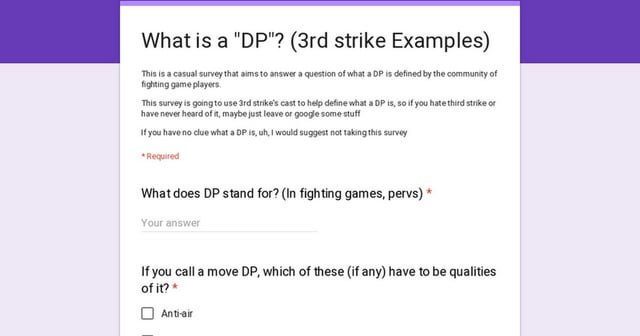
‘In fighting games, dp typically means dragon punch, a type of special move that is often an uppercut with invincibility frames.’
Ever wondered what those cryptic abbreviations mean when you’re watching a fighting game tournament? One term you’ll often hear is “dp.” So, what does dp mean in fighting games, exactly? It’s a common piece of jargon in the community.
It refers to a specific type of special attack found in many fighting games, often a powerful rising attack. These moves are useful for stopping aggressive opponents.

What Does DP Mean in Fighting Games?
Okay, let’s talk about something super important if you want to get good at fighting games: the DP. If you’ve ever heard someone talking about “doing a DP” or “getting hit by a DP,” and you were left scratching your head, you’re in the right place! DP stands for Dragon Punch, and it’s a special kind of move found in many fighting games. It’s a big deal because it’s often the best way to get out of trouble, punish an opponent’s mistake, or even start your own attacks.
The Classic Dragon Punch: Understanding the Motion
The name “Dragon Punch” comes from the most famous example of this move, Ryu and Ken’s Shoryuken from the Street Fighter series. But it’s important to know that not all DPs are called that. The key thing that makes a move a DP isn’t the name; it’s the motion and its properties. The traditional motion is a forward, down, and down-forward motion plus a punch button. Imagine you’re doing a little quarter circle forward with your joystick or directional buttons then quickly pressing the punch button. This is often called the “shoryuken motion” or “DP motion” among fighting game players. This upward motion paired with a punch is the core of what makes a move a DP.
Why Is The Motion Important?
The special input for a DP isn’t just for show. It’s actually a crucial part of how the move works in the game. Here are some reasons why:
- It’s Anti-Air: Because the move is upward-focused, it can hit opponents who are jumping at you. Think of it like a powerful uppercut that sends airborne opponents crashing back down.
- It Has Invulnerability: In many games, a DP has invincibility frames, meaning for a very short time, the move can’t be interrupted or stopped by another attack. If someone’s attacking you relentlessly, a well-timed DP can stop them in their tracks.
- It Is a Reversal: A DP is often used as a “reversal,” meaning it is used to come back from a defensive position to an offensive one quickly. The move’s invulnerability and hitbox make it perfect for turning the tides of a battle.
These characteristics make DPs powerful defensive tools, but they’re also a risk. A mistimed DP can leave you open to a big punish.
DPs Beyond the Shoryuken: Variation is Key
While the classic Dragon Punch from Street Fighter is a common example, it’s important to understand that not every DP is the same. Fighting games have many unique DPs, and they all have different strengths and weaknesses. The core principles are generally similar – they go upwards, they’re good at hitting jumping enemies, and they often have invincibility frames. But the differences can be significant:
Different Animation & Hitboxes
The visual appearance and the area of attack can vary a lot. Some DPs might look like a quick rising punch, while others might look like a spinning kick, a giant energy beam, or even a tackle. The shape and size of their hitboxes can also be different. A hitbox is an invisible shape that determines where your character’s attack will connect with the enemy. Understanding the hitboxes of your character’s DP and your opponent’s DPs is very important.
Different Properties
- Startup Frames: The time it takes for the attack to start can vary a lot. Some DPs are very fast, while others are slower. If it’s slower, it is easier for your opponent to react and block.
- Invulnerability Frames: The duration of invincibility frames also changes between different DPs. Some may be fully invincible, while others only have invulnerability on some body parts or only against certain kinds of attacks.
- Recovery Frames: The time it takes for a character to recover after performing an attack is essential. DPs often have long recovery time, so you need to use them wisely. A missed DP will leave you open to a punish.
- Damage: Different DPs can have different amounts of damage. Some DPs are great for setting up big combos, while others are only good for getting an opponent off of you.
Understanding the nuances of each specific DP in the game you’re playing is essential to being successful.
DPs As Offensive Tool
While DPs are often used defensively, they can also be used as a great offensive tool. Here are some examples:
Punishing Whiffed Attacks
If your opponent tries to attack you and misses, this is an opportunity to use a DP as a counter-attack. Since DPs often have invincibility, they can hit the opponent before they can block, often leading to a combo or big damage.
Creating Pressure
Some DPs can be used to force the opponent to block. If you space yourself correctly, the opponent will be forced to guess if you are going to use a DP or another attack. This can lead to them reacting badly, or making a mistake that you can exploit.
Ending Combos
Some characters can use their DP at the end of a combo to deal extra damage, or to knock the opponent far away. This tactic is essential in fighting games, where a single combo can decide the round.
DPs: Why They Are Important
DPs are essential moves in fighting games because they provide a unique balance between offense and defense. Here’s why:
Defensive Power
In situations where an opponent is applying relentless pressure, DPs are critical tools to stop the assault. The ability to go invincible while hitting the opponent is extremely valuable and can quickly turn the tide of battle.
Punishment Tool
DPs are ideal for taking advantage of an opponent’s errors. If your opponent jumps at you predictably or uses an attack that is easy to punish, a well-timed DP will lead to damage, or a reset to neutral.
Mind Games
The threat of a DP can play mind games with your opponent. Knowing the risk of getting hit by a DP, they might hesitate to be too aggressive or jump in on you too much. This can allow you to control the flow of the match. Understanding DP is not just about the move itself; it’s about using the move to control how your opponent reacts to you.
Risks of Using a DP
While DPs are incredibly powerful, they aren’t without risks. Here are some of the dangers of misusing a DP:
Punishable on Block
If your DP is blocked, many DPs have long recovery times. This can lead to the opponent punishing you with a big combo, or a powerful attack of their own. A blocked DP often puts you in the worst possible position.
Predictable Usage
If you use your DP too much, or in predictable patterns, your opponent can learn to read your actions, then anticipate your DP, making it easy for them to punish your actions. If you are using the DP predictably, you are easy to counter.
Whiffing The Attack
A missed DP leaves you open to a punish. This is because of the move’s long recovery time. A mistimed DP can be disastrous if your opponent is ready to strike.
How to Use DPs Effectively
Now that you understand what a DP is and its pros and cons, let’s talk about how to effectively incorporate them into your gameplay:
Practice the Input
The “DP” motion can be tricky. It takes some time and practice to consistently perform it. Spend some time in training mode practicing it and get the timing down.
Know the Range
Some DPs only hit close to you, while others have more range. Knowing the range of your DP will allow you to space yourself correctly.
Use It Sparingly
Don’t just use your DP all the time. If you do this, your opponent will learn to read you. Only use the DP when you need it the most. This will keep your opponent guessing.
Watch Your Opponent
Look for patterns in your opponent’s playstyle. Are they jumping a lot? Are they always attacking at the same distance? If you see them using the same predictable patterns, then a DP is the best way to counter it.
Mix Up Your Options
Don’t only rely on DPs. It’s important to use a variety of attacks and defensive techniques. Doing this will make you harder to read. Use DPs as one tool in a bigger set.
Learning the DPs of Your Characters
Each character will have different DPs. Some characters might not even have a DP. Some DPs are better than others. It’s always important to spend time learning each character’s moves individually.
Check Character Guides
Check the character guides or move lists for your game to learn the inputs and properties of your chosen character’s DP. This is the best way to learn the basics.
Experiment in Training Mode
Spend some time in the game’s training mode so that you get to understand your character’s DP. Practice against the CPU or a friend. This will let you learn the move through trial and error.
Watch High-Level Gameplay
Watch how professional players use their character’s DP in matches. This can teach you new ways to incorporate it into your strategy. If you want to be the best, you have to learn from the best.
Community Resources
Online forums or communities for fighting games are often filled with helpful information from other players. Find the forum for your game and ask for some help.
Beyond Dragon Punch: Different Names, Same Concept
While we’ve spent a lot of time talking about the Dragon Punch and its iconic motion, it’s important to remember that moves of this kind have different names in different games. The general idea is still the same – an attack that comes up and hits an opponent in the air.
Examples in Other Games
- Flash Knuckle (Guilty Gear): A quick, rising punch attack that also has invincibility.
- Rising Tackle (King of Fighters): An uppercut-style move that quickly rises upward to hit airborne opponents.
- Soaring Axe Kick (Tekken): A rising kick that hits opponents who are trying to jump in.
- Spinning Bird Kick (Street Fighter): Although not a traditional rising punch, this can often be used in similar situations to punish opponents trying to jump or use other attacks from above.
These moves share similar features and properties, making them essential for both offense and defense. It is important to pay attention to them when learning your character.
DPs and Fighting Game Strategy
Understanding DPs is essential for playing fighting games well. They are an essential part of the rock-paper-scissors dynamic that exists in fighting games. Here’s how they fit in:
Controlling Space
The threat of a DP can influence your opponent’s movements and choices. This is because an opponent will not want to get hit by a DP. This can give you more control of the game. If you are in control, you are more likely to win.
Adapting to the Opponent
Your opponents will have different strategies and playstyles. Sometimes it is best to use your DP very sparingly. Sometimes you will use your DP as much as possible. You need to change your style depending on what your opponent does.
Psychological Warfare
Fighting games are often mental battles. The threat of a DP can make your opponent more cautious. You can use this to your advantage and win. Learning DPs is not just about the move itself; it’s about using your opponent’s fear to make the right play.
DPs are not just powerful moves; they are a fundamental part of the strategy, psychology, and fun of fighting games. By understanding how they work and how to use them effectively, you are now on your way to becoming a better fighting game player.
DPs are a cornerstone of fighting games for a reason. They bring a layer of risk/reward to the game that makes fights so dynamic. Now that you understand all about DPs, you’re well equipped to understand one of the most important aspects of fighting game strategy. Spend time mastering the motion, and your gameplay will really start to improve.
What is a "DP" in Fighting Games?
Final Thoughts
In fighting games, ‘dp’ stands for Dragon Punch. It’s a powerful, usually upward-moving attack. This move often has invincibility frames, making it useful against incoming attacks.
A dragon punch also functions as a reversal. Players use it to get out of pressure from their opponent. What does dp mean in fighting games? It represents a strong defensive and offensive tool.

