
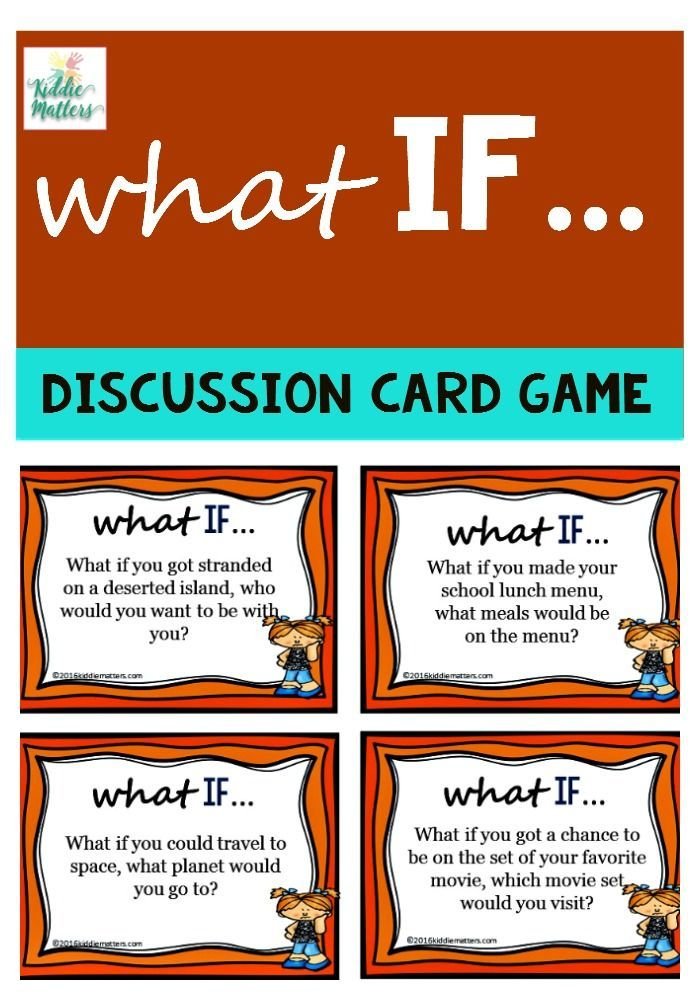
The what if game is a simple yet powerful form of imaginative play that involves posing hypothetical scenarios and exploring their potential consequences.
Ever found yourself pondering the possibilities, asking “what if?” That simple question sparks a world of creative thought, it is the very essence of what is the what if game. It’s a game we all play, sometimes consciously, sometimes not.
This mental exercise allows us to explore different outcomes, consider alternative realities and engage with our creative mind. It can be just a fun way to pass the time or a useful tool for planning and problem-solving.

What Is the What If Game?
Have you ever found yourself wondering about the possibilities? Like, “What if I could fly?” Or, “What if dinosaurs still roamed the earth?”. That’s the core of the “what if game.” It’s a simple, yet wonderfully powerful game that involves asking and exploring hypothetical questions. These questions begin with “what if,” inviting us to imagine different scenarios and consider their potential outcomes. Think of it as a mental playground where you can explore limitless possibilities without any actual risk. It is a fun game for people of all ages. You can play it alone or with friends or family. The beauty of the what if game lies in its flexibility and how it encourages creativity, problem-solving and critical thinking.
The Purpose of Playing the What If Game
The what if game isn’t just about having fun, though it definitely is fun! It actually has some secret benefits that can help our minds grow. Let’s look at some key reasons why playing this game is so helpful:
Boosting Creativity and Imagination
When you ask “what if” questions, you’re stepping outside the box of everyday reality. You are free to explore scenarios that don’t exist. This kind of thinking helps to stretch your imagination. When you imagine new realities, it helps you come up with new ideas. It makes your mind more flexible and open to possibilities. The more you practice imagining, the easier it becomes to think of original thoughts and innovative approaches.
Developing Problem-Solving Skills
Many “what if” questions involve challenges. For example, “What if the electricity went out for a week?” This question gets us thinking about how we would cope with a difficult situation. When you explore the potential consequences of made-up problems, you learn to think about solutions. You might come up with a plan for conserving energy or figure out how you would cook food without electricity. This game helps you to approach any problem with a more strategic, thoughtful mindset.
Enhancing Critical Thinking
Asking “what if” isn’t just about imagination. It also requires careful consideration of cause and effect. If we are thinking about “What if we all could breathe underwater?”, it forces you to think about all the things that would need to change. You may need to think about what would happen to the boats or how would humans eat if they only lived in water. This level of careful consideration and logical thinking increases your critical thinking ability, which is a crucial skill for making good decisions.
Fostering Communication and Social Interaction
The “what if” game is a perfect way to engage with others. You can play it in group settings, leading to exciting discussions and shared laughter. Sharing the hypothetical scenarios and their consequences can lead to great conversations and help you to know other people’s minds. When you are trying to solve the made-up problems together, you get to know other people, hear their perspectives and work in a team.
Different Ways to Play the What If Game
There isn’t one single “right” way to play this game; its beauty is that you can tailor it to your liking. Here are a few ways you can get started, whether by yourself or with a group:
Solo Play
Playing the what if game on your own is a great way to spend some quiet time with your thoughts. Try starting with simple questions like “What if I had wings?” and then let your mind wander where it will. You can also write down your ideas in a journal which can be a good way to track all your ideas.
Group Play
When playing in a group, you can make the game more interactive. One person can start by asking a “what if” question, and then everyone else can chime in with their thoughts. You can build on each other’s ideas and come up with even more interesting stories. Try going in a circle with each person taking a turn, or just let the conversation flow naturally.
Using Prompts
If you get stuck or need some inspiration, you can use prompts to get you started. Prompts can be anything that is interesting and imaginative, like:
- What if animals could talk?
- What if we could teleport anywhere?
- What if we could change one thing about the past?
- What if the world was made of candy?
These prompts can jumpstart your imagination and lead to fun and thoughtful discussions.
Combining It with Storytelling
You can also mix the “what if” game with storytelling. You can start with a “what if” question and then start building a story around that. For example, you could start with “What if the moon fell into the sea?” and then tell the story about how it affected the world. This combination can make the game more engaging and creative.
Types of What If Questions
“What if” questions come in a variety of forms, each bringing a special way to think about things. Here’s a quick look at some different kinds of “what if” questions and how they can help you think differently:
Fantasy-Based Questions
These questions explore imaginative and unreal possibilities. They often include elements of magic, mythical creatures, and things that defy the laws of reality. Some examples are:
- What if you could talk to animals?
- What if you could fly without wings?
- What if you could breathe underwater?
- What if there was magic in the real world?
Fantasy-based questions help in expanding your imagination and opening up the world of creativity.
Science Fiction-Based Questions
These questions delve into technological advancements, space travel, and future possibilities. They often deal with imaginary or advanced technology and its impact on life. Examples include:
- What if humans lived on Mars?
- What if we could travel faster than the speed of light?
- What if robots could think like humans?
- What if we could control the weather?
Science fiction questions can help you think about the future and how technology can change the world.
Problem-Solving Questions
These questions look at challenges and explore different ways to overcome them. They’re about thinking through potential issues and brainstorming solutions, such as:
- What if you lost your way in a forest?
- What if you had no electricity for a whole week?
- What if the school bus didn’t show up?
- What if it rained for a whole month?
These problem solving questions help in boosting critical thinking skills and helps in preparing for unexpected events in life.
Personal Growth Questions
These “what if” questions focus on personal values, choices, and potential changes in your own life. These questions ask you to think about how you might make changes to your life, such as:
- What if you could change one thing about yourself?
- What if you could go back and change one mistake?
- What if you could achieve any goal you set your mind to?
- What if you had to live in a different country?
These questions encourage self-reflection and help you gain better understanding about yourself and your values.
Historical Questions
These “what if” questions explore alternative historical events. They invite you to consider how different choices in the past could have changed things, like:
- What if dinosaurs never died?
- What if there was no world war?
- What if the telephone was never invented?
- What if someone else discovered America?
Thinking about historical questions helps us learn from the past and understand the causes and consequences of major events.
Benefits Beyond Fun
Playing the what if game brings many benefits that go beyond just fun and entertainment. It actually helps in improving mental abilities and encourages us to think in unique ways. Here are some additional advantages that show why it is such a useful practice:
Enhancing Cognitive Flexibility
When you are playing the “what if” game, you are constantly changing your mind and looking at things from new perspectives. This flexibility can be helpful in real-life scenarios where you may need to change plans quickly. You start becoming good at adapting to new situations and are more open to change.
Reducing Fear of the Unknown
When you are playing with the “what if” questions, you can start to feel more ready for the things that you can’t predict. You can work through potential fears in a safe space. This can reduce anxiety in real-life situations, because you’ve thought about similar challenges during the game and are prepared for most of them.
Improving Decision-Making
By practicing the what if game, you are getting used to analyzing possible outcomes. You can consider various scenarios and their related consequences. This can help in making more sensible decisions by considering a number of possibilities. It can assist in making better choices and helps you think through the options carefully before you decide.
Increasing Openness to New Ideas
The what if game promotes a curious and open mindset. When you play with different scenarios, you learn to accept new and unusual ideas. You become more open to the unconventional and creative thoughts. This can assist you to approach new situations with more flexibility and understanding.
A Fun Way to Learn
Most importantly, the what if game can transform learning into an enjoyable and engaging process. It makes learning interactive and playful. It encourages curiosity and lets your mind to explore new information, making it a valuable tool for education and personal development.
Tips for Maximizing Your What If Game Experience
To get the most out of your what if game sessions, try using these helpful tips:
Be Open-Minded
Embrace unconventional ideas and don’t hold back your thinking. The whole point of this game is to explore new possibilities and be creative. There are no wrong answers so let your imagination run wild.
Ask Thought-Provoking Questions
Don’t just stick with surface level questions. Try to dig deeper and think about things differently. The more interesting the question, the more interesting the answers will be.
Encourage Active Participation
In a group settings, make sure that everyone has a chance to share their ideas. Creating an environment where everyone is free to express themselves will lead to more stimulating and more rewarding discussions.
Write Down Your Ideas
Writing down your thoughts can help in making them more concrete and memorable. Keep a journal specifically for the what if game. It can assist you in revisiting your thoughts, and may help you find new ideas that you haven’t thought of before.
Make It a Regular Activity
Try to integrate the what if game into your daily life, or set aside a special time for playing the game. The more frequently you play, the better you will get at the game and the more benefits you’ll start to notice.
Remember, There Are No Limits
The beauty of this game is its limitlessness. You are not bound to any rules. Feel free to explore the unusual or the absurd. That’s where most of the fun comes from. It is all about enjoying the adventure of possibilities.
Who Can Play?
The “what if” game is truly a game for everyone. No matter what your age or background, this game can benefit you and provide you with an enjoyable time. It’s great for:
- Kids: It helps them to be more imaginative and improves their problem-solving abilities.
- Teens: It encourages critical thinking and self-discovery.
- Adults: It keeps the mind sharp and provides a fun way to relax.
- Families: It is a great way for creating fun memories and sharing creative ideas together.
- Friends: It can lead to interesting conversations and improve understanding between one another.
Simply put, anyone with an inquisitive mind and a love for creative thinking can have fun with this game.
In conclusion, the what if game is more than just a fun activity; it is a great tool for improving our thinking, increasing our creative capacity and making life more interesting. It is a game of possibilities where there are no limits for imagination. Whether you play it alone or with others, this simple game can bring joy, learning and much self-understanding. So, start asking “what if?” and see where your imagination will take you!
Marvel's: What If Experience On Apple Vision Pro Is A Blast! (Full Gameplay)
Final Thoughts
The ‘what if game’ is simply exploring possibilities. It encourages creative thinking by asking hypothetical questions. It prompts us to consider various scenarios and their potential outcomes.
We use the what if game to expand perspectives. This method allows imagining alternative paths. Engaging with it can be a fun and insightful exercise. This practice also helps in decision making.
‘what is the what if game’ at its core is a tool for mental exploration and problem solving. You must explore different paths and their ramifications.

