
Elo in games represents a player’s relative skill level, usually calculated through a system that adjusts points after each match based on the outcome and the opponents’ ratings.
Ever wondered about those numbers next to player names? Many online games use a rating system, and one of the most well known is called Elo. But what does elo mean in games exactly? It’s a way to measure and compare your ability to others.
The Elo rating system assigns a numerical value to each player which goes up with wins and goes down with losses. It’s dynamic, changing based on who you play and how well you performed. This method aims to create balanced matches and track player progression accurately.

What Does Elo Mean in Games?
Have you ever played a game online and seen numbers next to players’ names? Those numbers are often part of a system called Elo, and they’re super important for how the game works! It’s like a secret code that tells you how skilled someone is at a game. Let’s dive into what Elo rating really means and how it makes games more fun and fair.
The History of Elo
The Elo rating system wasn’t actually created for video games! It was invented by a physics professor named Arpad Elo. He originally made it to rank chess players. Chess is a very strategic game, and people wanted a good way to see who was the best. So, in the 1960s, Elo created his system. It worked so well that it quickly spread to other games, especially the ones we play online today.
Before Elo, many games used simple ranking systems, often with fixed points for winning and losing. Imagine playing a game and getting +1 point for every win and -1 for every loss. That didn’t account for the skill level of your opponent! If you beat someone who is way less skilled than you are, you’d still get one point. Elo changed that by adding the concept of expected outcome.
How Elo Rating Works
The core idea behind the Elo rating system is to predict the outcome of a game. It uses your rating and your opponent’s rating to figure out how likely you are to win, lose, or draw. Your Elo rating goes up or down based on whether you win, lose, or draw, and how unexpected the outcome was. It also takes into account your opponent’s rating.
Understanding the Math
Now, let’s get into some details, but don’t worry, we will keep it simple! Elo uses a math formula to calculate the chances of each player winning. This formula helps predict how likely a player with one rating is to beat another player with a different rating. The main things the formula considers are:
- Your Rating: This is the number that represents your skill.
- Your Opponent’s Rating: This is the number that represents the skill of the person you are playing against.
- The K-Factor: This is a value that changes how much your rating changes after a match. It is usually bigger when you are starting out, and shrinks as you play more games.
- The Actual Outcome: Did you win, lose, or draw?
Here’s a simple way to think about it without getting too much into the equations:
- If you beat someone with a higher rating than you: Your rating will go up a lot! The system is surprised that you won.
- If you beat someone with a lower rating than you: Your rating will go up a little. The system expected you to win.
- If you lose to someone with a higher rating than you: Your rating will go down a little. The system thought you would probably lose.
- If you lose to someone with a lower rating than you: Your rating will go down a lot! The system is very surprised you lost.
The bigger the difference between the ratings, the bigger the change will be if the unexpected thing happens. The K-factor is important because it can change how much your rating goes up or down.
The K-Factor in Detail
The K-factor is a value that affects how much your rating changes. It is typically a number. Some games can change the K-factor dynamically based on player’s behaviour. Here’s how it works:
- Higher K-factor: When a game uses a higher K-factor, your rating will change more drastically after a match. This is more common when you are new to a game or if you have not played many matches. This allows the system to more quickly find out your appropriate skill level.
- Lower K-factor: When a game uses a lower K-factor, your rating will not change as much. This is more common when you have played many games. This helps stabilize your rating over time when the system is more confident of your skill level.
Think of the K-factor like a training wheel on a bicycle. At first, the training wheels are very helpful and you improve quickly but later on, the wheels become less important and your gains will be less drastic.
Why Elo is Used in Games
Elo is popular because it helps make games more balanced and enjoyable. Let’s look at some reasons why game developers choose to use Elo:
Fair Matchmaking
The primary reason games use the Elo system is for matchmaking. When a game uses Elo, it tries to match you with players who have a similar rating to you. This makes the matches fairer and more fun because you are playing against people with a similar skill level. If you always played against people much better than you, you would likely get frustrated and give up! And if you always played people much worse, you would probably be bored and stop playing. Elo helps keep things competitive and exciting for everyone.
Tracking Skill Progression
Elo rating is like a personal progress report. Your rating will go up as you improve at a game and your losses will likely decrease. This helps you see exactly how much better you are getting as you play, which can be really rewarding. It motivates players to try harder and practice to get better results. When you see your rating rise, it’s a great feeling!
Competitive Environment
Elo ratings create a competitive environment. People want to increase their rating because it shows that they are a skilled player. The higher your rating, the more skilled you are assumed to be and the better you are likely to be matched up against. Some games even have leaderboards showing the top-rated players! This can add an extra level of fun and competition.
Adapting to Skill Changes
As a player’s skill changes, the Elo rating adjusts with it. If you learn new strategies or improve your skills, your Elo will increase. If you stop playing for a while and get rusty, your rating will probably decrease. This adaptive nature of the Elo rating keeps it current and accurate.
Examples of Games Using Elo
Many popular games use the Elo rating system (or systems that are based on it). Here are some of the most well-known examples:
- Chess: As mentioned earlier, this is where the system started, and it is still used today.
- League of Legends (LoL): This popular multiplayer online battle arena (MOBA) game uses a variation of Elo for its ranked matches.
- Counter-Strike: Global Offensive (CS:GO): This first-person shooter uses an Elo-based system, making it a popular example of how Elo works in this genre.
- Rocket League: This car soccer game uses a system very similar to Elo.
- Teamfight Tactics (TFT): This autobattler game uses a modified Elo system to match players and track progression in ranked mode.
Many other games, both online and offline, use rating systems inspired by Elo. It’s become a standard way to measure player skill.
Common Questions about Elo
People often have a lot of questions about how the Elo system works. Let’s address some of the most common ones:
Is Elo the only rating system?
No! While Elo is very popular, it is not the only rating system. There are other rating systems too. For example, some games use Glicko rating system, which is similar to Elo but accounts for how long you have been playing. Each system is created for the type of game and their need.
Can your Elo rating go down?
Yes, absolutely! If you lose games to opponents with lower ratings, your rating will go down. It is all part of the system. The rating is not static and is intended to move. When your skill goes down, so does your rating.
Does your Elo rating reset?
Some games will periodically reset the rating, often at the beginning of a new season, to have players to have a fresh start. However, this usually does not happen in a way that puts everyone to the same rating, rather players with higher ratings will start out higher than players with lower ratings. This process ensures that as the game gets a reset, players can still play against the same caliber of players as they did prior to the reset.
Why do some games not show the exact Elo rating?
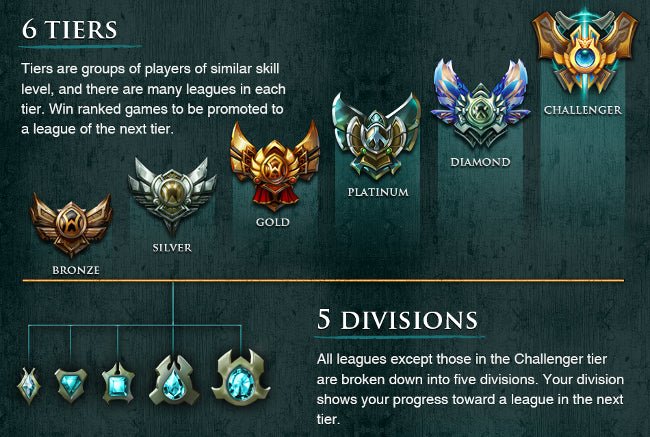
Sometimes, games don’t show the exact Elo rating to avoid any form of anxiety and frustration. Instead, they might show a rank such as “Gold,” “Diamond,” or “Master.” But even when a game uses ranks, they are almost always based on some form of Elo in the background. This just gives the players an easier-to-understand overview of their skill. These ranks will usually have a specific numeric range assigned to them.
What happens to Elo if there is a tie or draw?
In some games, draws are worth a fraction of a win for both players. In others, draws might not affect the Elo rating. It really depends on how the game developers want to implement it. In general, for a system to work well, the change in a player’s Elo needs to be dependent on the predicted results and the actual results of the game. In cases of ties or draws, this will require an adjusted formula.
The Elo rating system is a fantastic way to track player skill, create fair matches, and add a layer of competition. It makes games more engaging and enjoyable for everyone.
What Does ELO Mean?
Final Thoughts
Elo represents a numerical skill rating for players in competitive games. It quantifies relative ability, allowing for matchmaking and rank progression systems. A higher Elo score means you are a stronger player.
‘what does elo mean in games?’ It’s a method of comparing player skill, indicating how you measure up against others. The system adjusts your score after each match based on win/loss and the opponents’ rating.
Elo impacts your ranking and the competition you face in games, so understand this crucial concept.

