
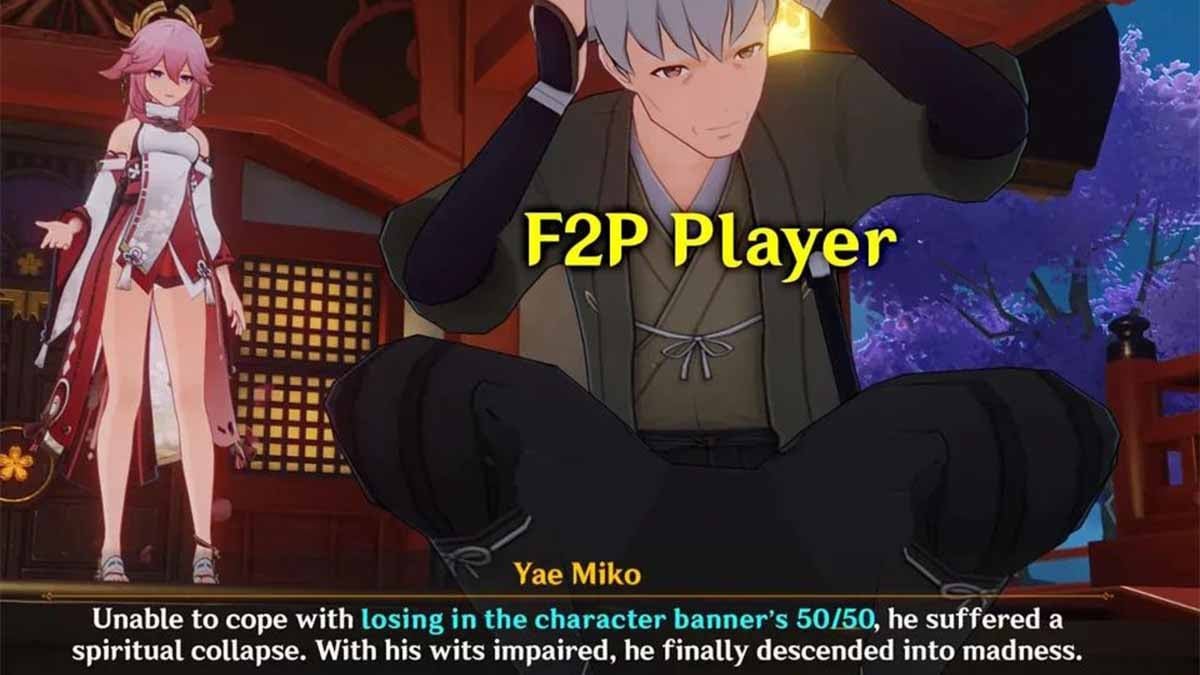
F2P in games means ‘free-to-play,’ indicating the game is available to play without an upfront purchase.
Ever wondered about those games you can just download and start playing without paying a dime? The gaming world often throws around the term ‘f2p,’ but what does f2p mean in games really? This article is going to quickly explain it for you.
It basically means the game is offered without initial cost. You don’t have to buy a copy to jump into the action. This contrasts with games that require a purchase before you can play.

What Does F2P Mean in Games?
Let’s dive deep into the world of gaming and talk about something you might have heard a lot: F2P. It stands for “Free-to-Play.” But what does free-to-play really mean in the context of games? Does it mean you can play a whole game without ever spending a dime? The short answer is, often yes, but there’s much more to it than just that. We will explore everything about free-to-play, so you know all the important details.
The Basic Idea of Free-to-Play Games
At its core, a free-to-play game lets you download and start playing without having to buy the game itself. Think of it like walking into a store where you can browse and maybe even try some things for free. You can experience the core mechanics and often get a good idea of what the game is like before deciding if you want to invest further. This approach is very different from traditional games, where you usually pay upfront to play.
How Do F2P Games Make Money?
If the game is free to play, how do the game developers make money? That’s a great question! They use a system called “monetization,” which means they sell other things within the game. Let’s explore some of these common methods.
In-App Purchases (IAPs)
This is one of the most common ways F2P games make money. In-app purchases are virtual items you can buy using real money. These purchases can include things like:
- Cosmetic Items: These change how your character or items look. They don’t make you stronger, but they might make you look cooler! This includes skins, outfits, and other visual customizations.
- Boosters: These can temporarily increase your progress. It might be faster experience gaining, increased resources and speed up progress in some areas.
- Virtual Currency: You can purchase game currency which can be used to buy items in the game.
- New Characters or Items: Sometimes, you can buy access to new characters or powerful equipment that may not be available for free.
It is important to know that these purchases are not mandatory to play the game. You can still enjoy most of the game without buying anything. The purchases are there to enhance the experience or provide extra content.
Advertisements
Many free-to-play games include advertisements. You might see video ads between levels or banner ads while you’re playing. This is another common way for developers to make money. Sometimes you can watch an ad to gain a reward in the game, like a bonus item or a bit of in-game currency.
Season Passes and Battle Passes
These are like subscription services for a particular period of time, usually a season or a particular event in the game. By purchasing a season or battle pass, players can get access to a series of extra rewards which are not available to free users, as they progress through the game during that period. Rewards usually include cosmetic items, premium in game currency and boosters.
Subscription Services
Some F2P games also offer a subscription that gives players benefits like extra experience points, exclusive items, or the ability to play without advertisements. This can be in addition to other types of purchases or it could be a stand-alone offering.
Different Types of Free-to-Play Models
The way that a game makes money can vary. It’s not just a one-size-fits-all approach. Let’s take a look at some common types:
Pay-to-Win
This is a term you might hear a lot, and it’s often not a good thing. In a “pay-to-win” model, players who spend money can get a significant advantage over players who don’t. They might be able to purchase items that make them stronger or give them abilities that are otherwise unavailable. This can create an unfair playing field and make the game feel unbalanced.
For example, imagine a game where you can buy a powerful sword that allows you to defeat any enemy quickly, while the free players don’t have any option to access such a powerful sword. That is considered a “pay-to-win” game.
Pay-for-Cosmetics
This is a much fairer way to monetize a game. With a “pay-for-cosmetics” model, players can buy items that only change the appearance of their character or items. They don’t give you any advantage in the game, it only makes your character look cool or unique.
A great example would be buying a cool outfit for your character in a game. You’ll look great, but it will not make you stronger or a better player compared to someone who is using a free outfit.
Time-Savers
Some games let you pay to skip some things or get ahead of everyone else. You might be able to buy items that will speed up your game progress. For instance, if you need to collect specific items to make some equipment, you might be able to buy those items instead of farming for them. This can be convenient but it doesn’t necessarily mean that these paid options provide a competitive edge.
Gacha or Loot Boxes
This model is sometimes called a “surprise mechanic”. It involves spending money for a chance to get a random in-game item or character. Like opening a pack of trading cards, you don’t know exactly what you’re going to get. It could be something amazing or it could be something ordinary. This model often introduces some element of chance and can be quite engaging.
The Pros of Free-to-Play Games
F2P games have several advantages, which is one reason they are so popular:
Accessibility
Because they are free to start, anyone can try them. This removes the barrier of the cost of the game, letting more people join and play. You can just download and jump right in without the need to pay before playing. This is a great way to try out a variety of games without spending money up front.
Large Player Bases
With free access, a lot more people tend to play these games compared to paid games. This makes it easier to find other people to play with, and in games which require group play or team play, this is a great advantage. Also, with a large number of players the developers can also receive many valuable feedbacks which can improve the game.
Regular Updates and Content
F2P games need to keep their players interested so they often receive regular updates with new content. This means new levels, new characters, or new challenges. This keeps the game fresh and exciting for all players.
The Cons of Free-to-Play Games
While F2P games have their advantages, they also come with a few potential downsides:
Pay-to-Win Issues
As mentioned before, this can be a problem. If a game is heavily pay-to-win, it can make the experience unfair for players who don’t spend money. This can create a very frustrating environment, where you always feel disadvantaged.
The Temptation to Spend
F2P games are designed to encourage you to spend money. It can be easy to feel the urge to make purchases, especially when you see others using cool items or are struggling in some parts of the game. You should be aware and set a budget to avoid impulse spending.
Grinding
Sometimes you have to play a lot to gain progress or the items which are available to those who spend money. It is done to entice the user to spend money, as the progress becomes slow if you don’t make the purchases. The game may require repetitive tasks, to achieve the same things which can be achieved with money, in a small amount of time. This can become boring, tedious and time-consuming for the player.
Are All Free-to-Play Games Bad?
No, definitely not! Many free-to-play games are fun, fair, and can be enjoyed without ever spending money. The key is to choose games that are well balanced and that do not try to pressure you into spending money. Many games offer a great experience even if you never spend a dime on the game.
How to Enjoy Free-to-Play Games Responsibly
Here are some tips to make the most of F2P games without getting caught in spending too much money:
- Set a Budget: Decide how much money you are comfortable spending before you start playing. This will help you avoid impulse buying.
- Do not Feel Pressured: Just because other players are buying items, doesn’t mean you have to. Focus on having fun with the game itself.
- Read Reviews: Check what other players say about the game before you start, especially comments about the in-game purchases and how balanced the game is.
- Be Patient: Many games allow you to earn everything slowly if you play regularly. Focus on the fun part and don’t feel the need to have everything immediately.
- Know When to Stop: If you find that you are becoming obsessed with spending or are becoming frustrated by the game’s system of monetization, it is time to stop.
The Future of Free-to-Play Games
The free-to-play model is here to stay. It is constantly evolving with new and interesting methods of making revenue. As technology gets more advanced and the gaming industry grows, we will likely see more innovations in how free-to-play games work and the ways they make money. It is more than just a trend, it is now a major part of gaming culture.
In conclusion, free-to-play games offer a lot of fun and accessibility, but you must always be aware of how the game monetizes itself. By understanding the system, you can enjoy F2P games without breaking the bank. Just remember to play responsibly, know what you’re getting into and focus on having fun!
What Does f2p Mean
Final Thoughts
Free-to-play, or f2p, signifies a game you can download and play without an initial purchase. Developers then typically make money via in-game purchases. These might include cosmetic items, or power-ups.
Often, f2p games employ a monetization model. Players might spend real money to gain advantages or customization options. Understanding these structures is key.
Ultimately, what does f2p mean in games? It means access is free. However, be prepared for optional transactions within the gaming experience.

